

What is a Resin Sand Powder Pneumatic Conveying Machine? And What Are Its Design Principles?
Resin sand powder pneumatic conveying machines are specialized equipment used in the foundry industry to transport resin-coated sand powders efficiently. These machines utilize pneumatic technology to move the abrasive and often sticky sand particles from one location to another, ensuring a clean and controlled process. The design of such machines is critical to their performance, as it directly impacts the efficiency, reliability, and longevity of the system.
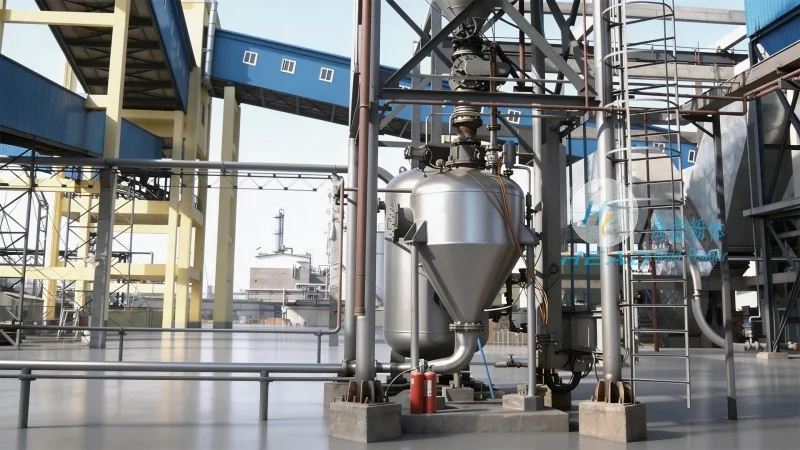
Understanding Resin Sand Powder Pneumatic Conveying Machines
Resin sand, a key material in modern casting processes, is a mixture of sand and a resin binder. The resin-coated sand is typically used in foundries for creating molds and cores. Transporting this material requires equipment that can handle its unique properties—such as its fine particle size, abrasive nature, and tendency to stick to surfaces. Pneumatic conveying machines offer a solution by using air pressure to move the sand, eliminating the need for mechanical components that might wear out quickly or cause contamination.
The Core Design Principles of Pneumatic Conveying Systems
The fundamental principle behind pneumatic conveying is the use of air to create a flow that transports the solid particles. There are two main types of pneumatic conveying: pressure and vacuum. In pressure systems, compressed air is introduced into a sealed container or pipeline, pushing the material forward. Vacuum systems, on the other hand, use a vacuum pump to draw the material into a pipeline. For resin sand applications, pressure systems are often preferred due to their ability to handle abrasive materials and maintain consistent flow rates.
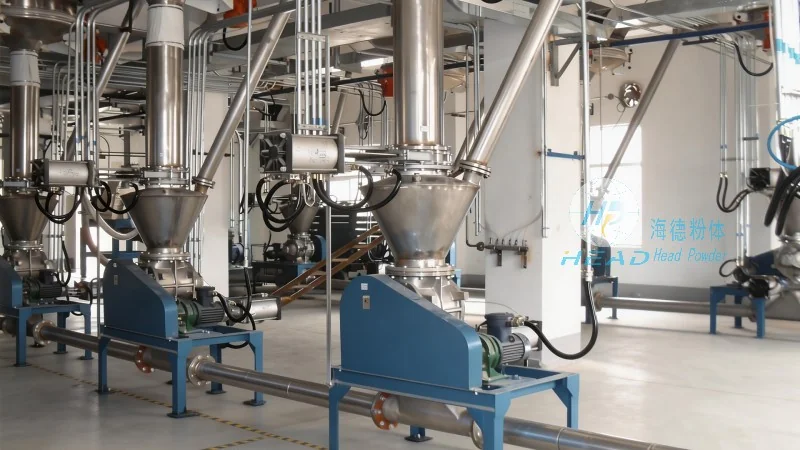
Key design elements include the air velocity, which must be sufficient to keep the sand particles suspended in the air stream but not so high as to cause excessive wear on the equipment. The pipeline diameter and length are also critical, as they affect the pressure drop and energy consumption. Properly designed elbows, bends, and transitions are essential to minimize pressure loss and prevent particle deposition. Additionally, the system must incorporate filtration and separation components to prevent dust and resin particles from entering the air system, ensuring compliance with environmental regulations and maintaining equipment cleanliness.
Components and Functionality of Resin Sand Pneumatic Conveying Machines
Resin sand pneumatic conveying machines typically consist of several key components. The feed hopper is where the resin sand is loaded, and it may include a vibrating or screw feeder to ensure a consistent flow. The air compressor or blower provides the necessary pressure to move the material. The pipeline network connects the feed point to the discharge point, with control valves to regulate the flow. At the discharge end, a separator or cyclone separates the sand from the air, and a filter captures any residual dust. The design of each component must consider the specific properties of resin sand, such as its density, moisture content, and particle size distribution, to optimize performance.
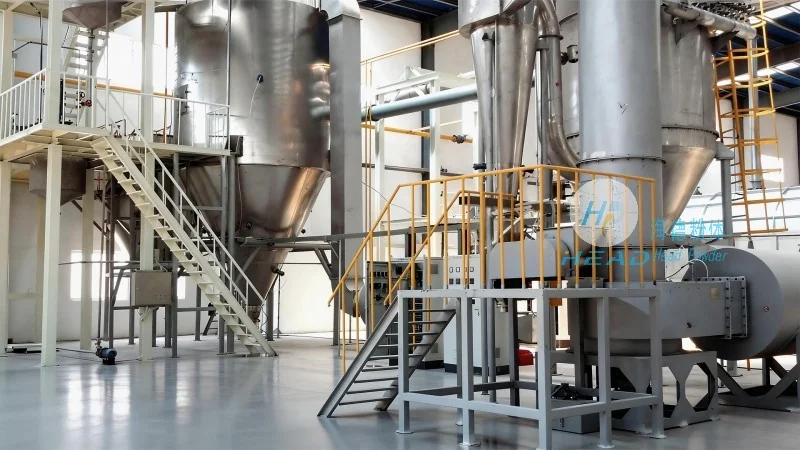
Advantages and Considerations in Design
Using a pneumatic conveying system for resin sand offers several advantages. It eliminates the need for conveyor belts or buckets, reducing maintenance and the risk of material contamination. The enclosed system also minimizes dust exposure, improving workplace safety and environmental compliance. However, the design must account for the abrasive nature of resin sand, which can cause wear on the air compressor, pipeline, and other components. Materials such as stainless steel or special coatings are often used to extend the lifespan of the equipment. Additionally, the system must be designed to handle variations in sand quality, ensuring consistent performance even with changes in binder content or particle size.
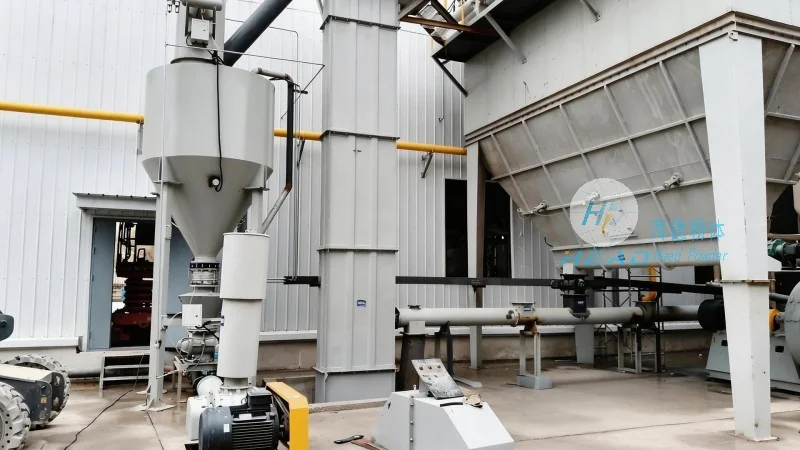
Application and Industry Impact
Resin sand powder pneumatic conveying machines are widely used in the foundry industry for transporting sand from storage silos to molding machines, or from molding areas to recycling systems. The efficiency of these machines directly impacts the productivity of a foundry, as they enable faster and more reliable material handling. By understanding the design principles and components, manufacturers can select or design a system that meets their specific needs, ensuring optimal performance and cost-effectiveness.
Shandong HeadPowder Engineering Co., Ltd., a leading provider of such equipment, specializes in designing and manufacturing pneumatic conveying systems tailored to the needs of the foundry industry. With facilities in Shandong, China, the company leverages years of experience to deliver high-quality, reliable machines that enhance the efficiency and safety of resin sand handling processes.