

Carbon Fiber Powder Pneumatic Conveying Systems: What They Are and Their Design Principles
Carbon fiber powder, a high-performance material widely used in aerospace, automotive, and sports equipment manufacturing, requires specialized handling equipment to ensure efficient and safe transportation. The carbon fiber powder pneumatic conveying system is a critical piece of machinery designed to transport these fine powders through an air-driven process. This system is essential for industries that rely on carbon fiber composites, as it addresses the unique challenges associated with handling such lightweight, abrasive, and potentially hazardous materials.
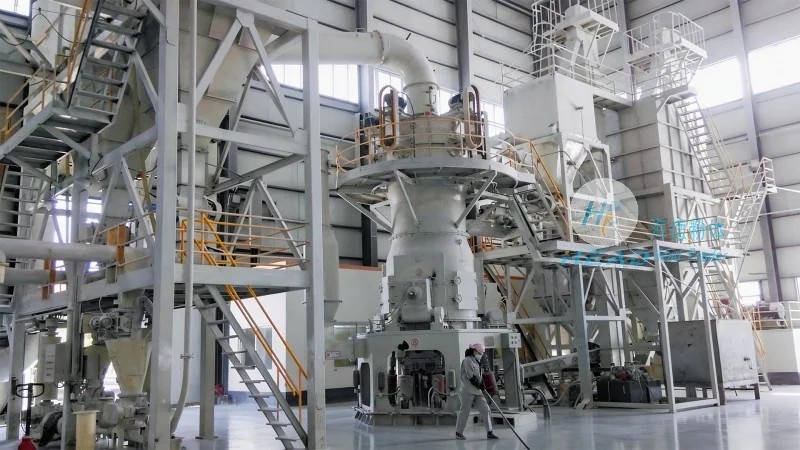
Understanding the Core Function of Pneumatic Conveying Equipment
At its core, a pneumatic conveying system uses compressed air or gas to move powder materials through a pipeline. For carbon fiber powders, this method is preferred over traditional mechanical conveying because it minimizes particle degradation, reduces contamination risks, and enables precise control over the flow rate. The system typically consists of a hopper for material storage, a venturi or rotary valve for air-powder mixing, and a receiver for the delivered material. The air flow is carefully managed to maintain a stable suspension of the carbon fiber particles, preventing clogging and ensuring consistent performance.
Design Principles Behind Carbon Fiber Powder Handling
The design of a carbon fiber powder pneumatic conveying system is guided by several key principles to optimize performance and durability. First, the system must be constructed from materials that resist abrasion and corrosion, as carbon fiber particles are abrasive and may contain chemicals that could degrade metal components. Common materials include stainless steel, high-grade alloys, and specialized plastics. Second, the air pressure and flow rate are carefully calibrated to match the specific properties of the carbon fiber powder, such as particle size, density, and moisture content. This ensures that the particles remain suspended without settling or clogging the pipeline. Third, the system incorporates features like pulse jets or vibration to maintain flow and prevent material buildup, which is crucial for long-term operation.
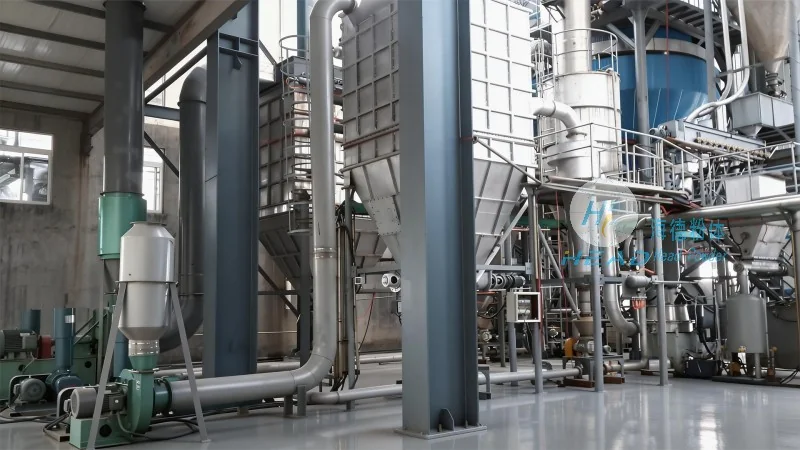
Key Components and Their Roles in the System
Several critical components work together to ensure the efficient operation of a carbon fiber powder pneumatic conveying system. The hopper serves as the storage container, with a discharge valve that controls the flow of material into the conveying line. The venturi or rotary airlock is the heart of the system, where compressed air is introduced to create a high-velocity stream that pulls the carbon fiber particles into the pipeline. The pipeline itself is typically made of flexible or rigid tubing, depending on the application, and is designed to withstand the pressure and abrasion from the material. The receiver, or collection tank, is where the carbon fiber powder is deposited after being conveyed, often equipped with a filter to remove any residual air or particles. Each component is engineered to handle the unique challenges of carbon fiber powders, ensuring reliability and efficiency.
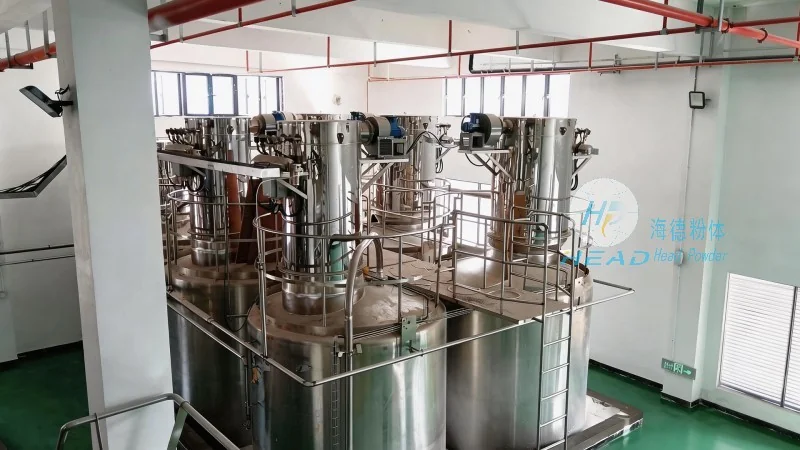
Application Scenarios and Benefits for Carbon Fiber Processing
Carbon fiber powder pneumatic conveying systems are widely used in various industrial applications, particularly in the manufacturing of carbon fiber composites. In aerospace, these systems are used to transport carbon fiber powders to molding machines, ensuring consistent material delivery for high-performance aircraft components. In the automotive industry, they are employed in the production of lightweight carbon fiber parts, such as body panels and interior components, where precision and material quality are paramount. The benefits of using such systems include improved production efficiency, reduced labor costs, and enhanced product quality. Additionally, the system minimizes dust exposure and environmental contamination, making it a safer and more sustainable option for handling carbon fiber powders.
Company Profile: Shandong HeadPowder Engineering Co., Ltd.
Shandong HeadPowder Engineering Co., Ltd., commonly known as HeadPowder, is a leading manufacturer of specialized powder handling equipment, including carbon fiber powder pneumatic conveying systems. HeadPowder is headquartered in Shandong, China, and has established itself as a trusted provider of high-quality solutions for industries that require precise and reliable powder transportation. The company’s products are designed to meet the specific needs of customers, with a focus on durability, efficiency, and safety. HeadPowder’s commitment to innovation and customer satisfaction has made it a preferred choice for businesses in the carbon fiber and composite manufacturing sectors.