For industrial applications involving fish meal processing, efficient material handling is crucial. The operation process and working principle of fish meal material conveying systems are designed to ensure smooth and reliable transport of fish meal from storage to processing or packaging areas. This article provides a detailed overview of the key components, operational steps, and technical principles that govern the effective functioning of such systems, with a focus on the expertise of Shandong HeadPowder Engineering Co., Ltd., a leading provider in the field.
Key Components of Fish Meal Conveying Systems
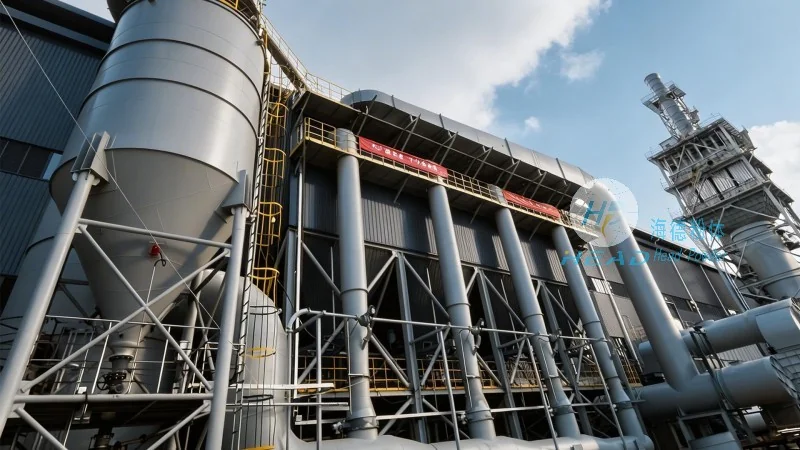
The fish meal material conveying system typically consists of several essential components that work in tandem to achieve optimal performance. These include hoppers or feeders for initial material intake, conveyor belts or screw conveyors for transporting the material, control panels for monitoring and adjusting operational parameters, and safety mechanisms to prevent accidents. Each component is carefully engineered to handle the unique characteristics of fish meal, such as its granular texture and potential moisture content, ensuring minimal material loss and consistent flow rates.
Operation Process of Fish Meal Material Conveying
The operation process of a fish meal material conveying system begins with the loading of raw fish meal into the hopper. The hopper is designed to hold a sufficient quantity of material to maintain a steady flow to the conveyor. Once the material is loaded, the conveyor system is activated, typically by an electric motor that drives the belt or screw mechanism. The conveyor then transports the fish meal through the system, moving it from the storage area to the processing or packaging line. During this process, the system may include intermediate storage bins or transfer points to regulate the flow and prevent bottlenecks. The control panel allows operators to adjust the speed of the conveyor, the feed rate from the hopper, and monitor the system's performance in real-time. This ensures that the conveying process is optimized for efficiency and productivity.
Working Principle of Fish Meal Material Conveying
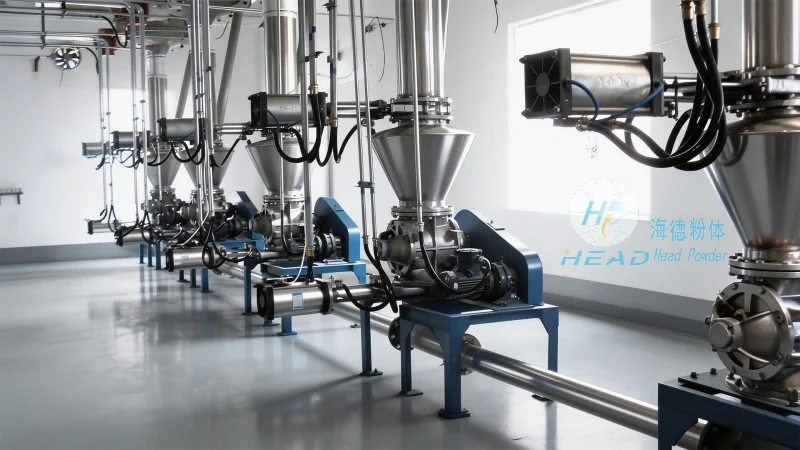
The working principle of fish meal material conveying systems is based on mechanical energy conversion and material transport mechanisms. In belt conveyors, for example, an electric motor drives a pulley system that moves the conveyor belt. The fish meal is placed on the belt and is carried along the path of the belt due to friction between the material and the belt surface. The slope and speed of the belt are carefully designed to maintain a consistent flow rate, preventing material buildup or slippage. Screw conveyors, on the other hand, use a rotating screw to push the material forward. The screw's rotation creates a pressure gradient that propels the fish meal through the system. The design of the screw, including its pitch and diameter, is critical to achieving the desired conveying capacity and preventing material degradation. Both systems rely on precise engineering to handle the specific properties of fish meal, such as its tendency to clump or stick to surfaces, ensuring that the conveying process is both efficient and gentle on the material.
Role of Shandong HeadPowder Engineering Co., Ltd. in Fish Meal Conveying Solutions
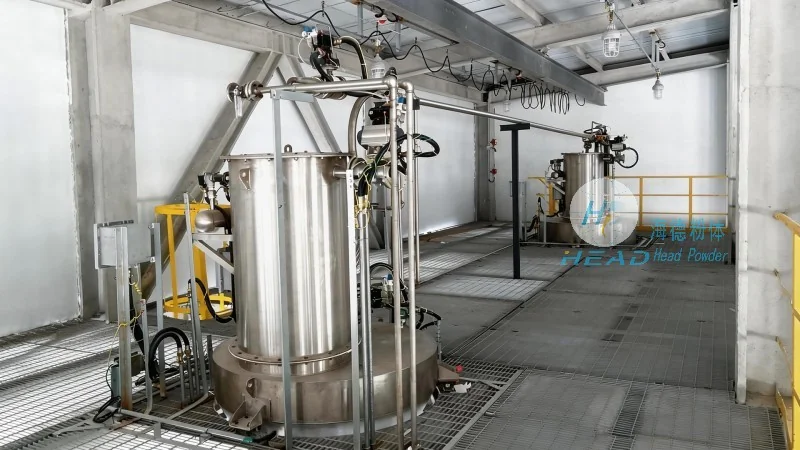
Shandong HeadPowder Engineering Co., Ltd. specializes in providing comprehensive fish meal material conveying solutions tailored to the needs of various industrial applications. With years of experience in the field, the company leverages advanced engineering techniques and high-quality materials to design and manufacture systems that meet the stringent requirements of fish meal processing. The company's team of experts works closely with clients to understand their specific operational needs, such as production capacity, material characteristics, and space constraints, and develops customized solutions that enhance efficiency and reduce operational costs. HeadPowder's commitment to quality and innovation has made it a trusted partner for many fish meal processing facilities, helping them achieve optimal material handling performance and maintain high standards of production.
Conclusion and Practical Applications
In conclusion, the operation process and working principle of fish meal material conveying systems are critical to the smooth functioning of fish meal processing operations. By understanding the key components, operational steps, and technical principles involved, industries can optimize their material handling processes, improve productivity, and ensure the quality of their final products. Shandong HeadPowder Engineering Co., Ltd. plays a vital role in delivering reliable and efficient fish meal conveying solutions, supporting the growth and success of fish meal processing businesses. Whether for new installations or system upgrades, HeadPowder's expertise ensures that clients receive tailored solutions that meet their specific requirements and contribute to their long-term operational success.




