At Shandong HeadPowder Engineering Co., Ltd., we specialize in the design, manufacturing, and implementation of advanced dust-free material conveying systems. These systems are crucial for industries where maintaining a clean environment is paramount, such as pharmaceuticals, food processing, and electronics manufacturing. The core objective of these systems is to transport bulk materials without generating dust, ensuring both operational efficiency and compliance with stringent hygiene standards.
Key Components of Dust-Free Conveying Systems
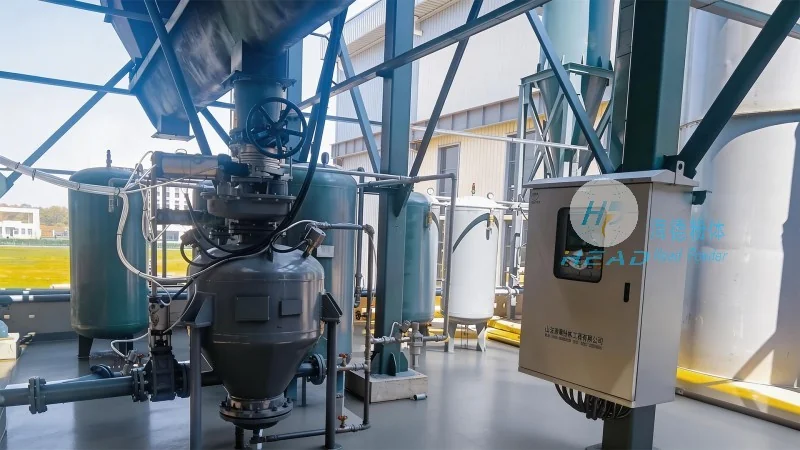
The effectiveness of a dust-free material conveying system relies on several integrated components. The primary elements include a dust collection unit, a sealed conveyor mechanism, and a material feed system. The dust collection unit is typically equipped with high-efficiency filters that capture particulate matter, preventing it from being released into the environment. The sealed conveyor, often made of stainless steel or other non-porous materials, ensures that material is contained throughout the transport process. The material feed system, which may include hoppers or feeders, regulates the flow of material into the conveyor, maintaining consistent and controlled operation.
The Operation Process of Dust-Free Material Conveying
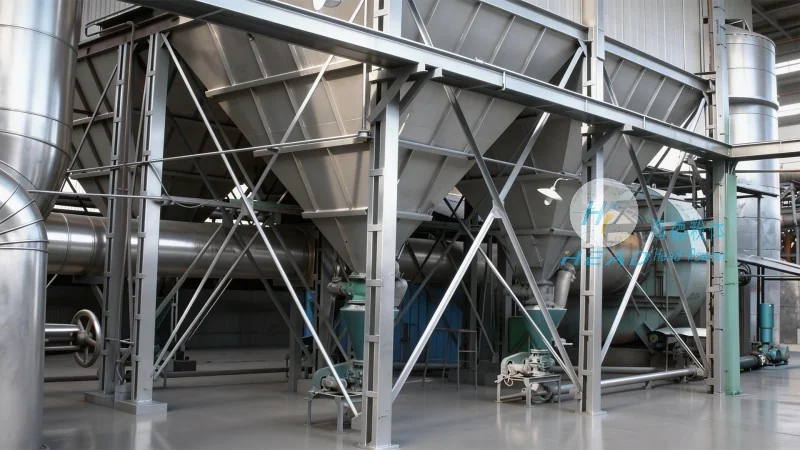
The operation of a dust-free material conveying system follows a systematic sequence. Initially, bulk material is loaded into a sealed hopper or storage container. The material is then fed into the conveyor system through a controlled feeder, which adjusts the flow rate based on the system's requirements. As the material moves through the sealed conveyor, it is transported to the desired destination, such as a processing unit or storage silo. Throughout this process, the system's dust collection unit continuously monitors and filters any airborne particles, ensuring that the environment remains clean and safe. The entire operation is typically automated, with sensors and control systems managing the flow and maintaining optimal performance.
Working Principle of Dust-Free Conveying Technology
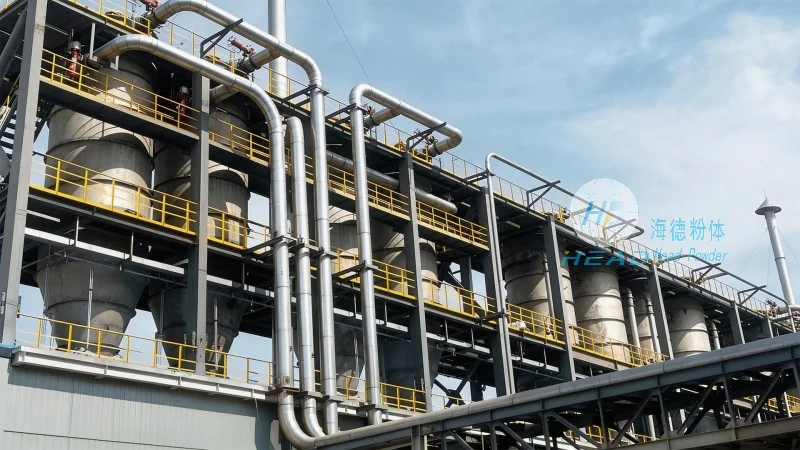
The working principle of dust-free material conveying systems is based on the principle of containment and filtration. The sealed conveyor design prevents dust from escaping by creating a negative pressure or airtight environment within the system. As material moves through the conveyor, any generated dust is captured by the integrated dust collection unit, which uses filters to trap particles before releasing clean air back into the facility. The system's control mechanisms, including variable speed drives and sensors, ensure that the conveyor operates at the optimal speed and pressure to minimize dust generation. Additionally, the use of non-stick or smooth surfaces in the conveyor components reduces friction and further minimizes the risk of dust formation.
Benefits of Implementing Dust-Free Conveying Systems
Adopting dust-free material conveying systems offers numerous benefits for industrial operations. Firstly, they enhance workplace safety by reducing exposure to airborne contaminants, which is critical in industries like pharmaceuticals and food processing where product purity is essential. Secondly, these systems improve operational efficiency by minimizing downtime caused by dust-related maintenance or contamination issues. Thirdly, they contribute to regulatory compliance, as many industries are required to maintain dust-free environments to meet safety and quality standards. Finally, the long-term cost savings from reduced maintenance and increased productivity make these systems a valuable investment for businesses.
Application Examples in Various Industries
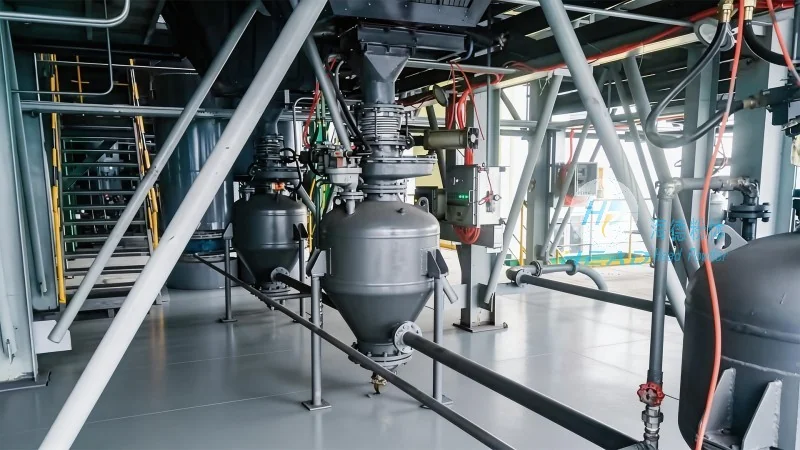
Dust-free material conveying systems are widely used across various industries. In the pharmaceutical industry, they are essential for transporting raw materials and finished products without compromising product purity. In food processing, these systems ensure that food-grade materials are handled in a hygienic manner, preventing contamination from dust or other particles. The electronics manufacturing industry also benefits from dust-free conveying, as even small particles can affect the performance of sensitive components. Additionally, in the chemical and cement industries, these systems help manage bulk materials while maintaining environmental standards and worker safety.




