Operation Process and Working Principle of Sorghum Distiller's Grains Powder Conveying System Equipm
Release time:2026-09-20 21:01:39
name of the company:Shandong Headpowder Engineering Co., Ltd.
telephone:156-6277-7102
contacts:Zhang manager
HeadPowder, a leading manufacturer based in Shandong, China, specializes in the design and production of advanced powder conveying systems tailored for industries handling bulk materials like sorghum distiller's grains. This article provides a detailed overview of the operation process and working principle of their specialized equipment, highlighting key components, operational steps, and technical advantages that ensure efficient and reliable material transport.
System Overview and Core Components
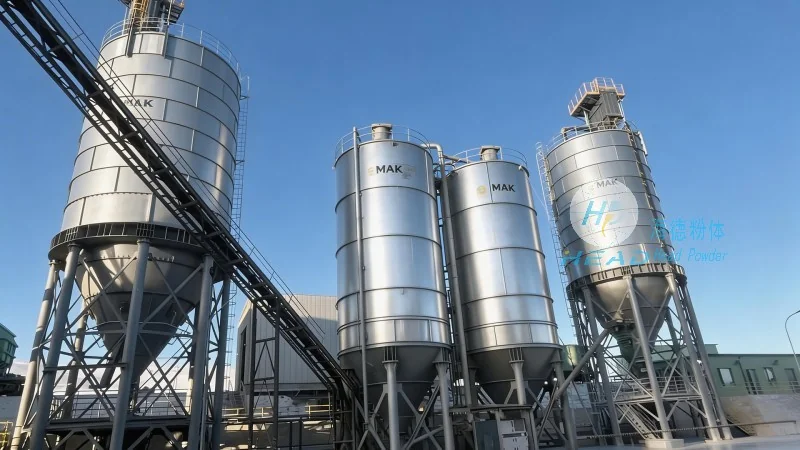
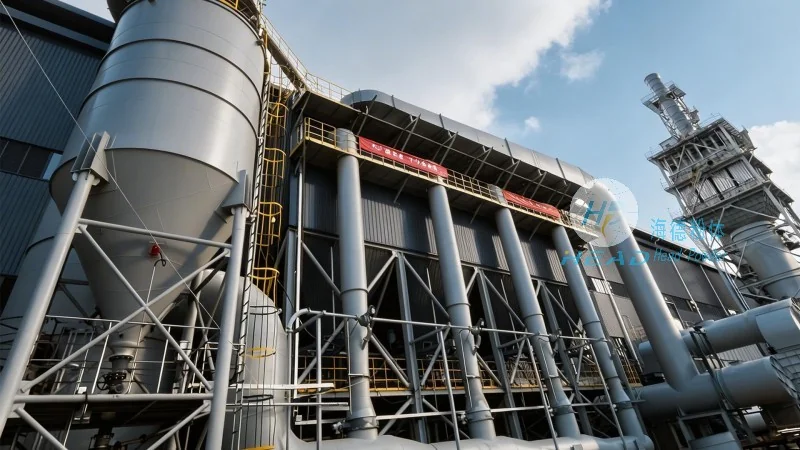
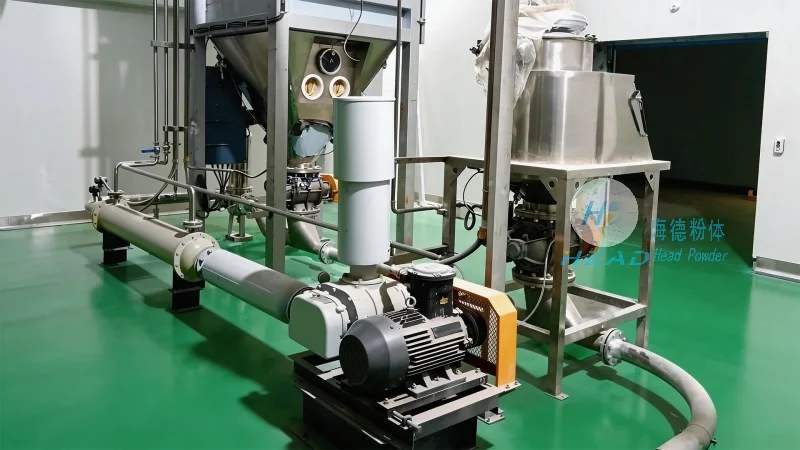
HeadPowder, a leading manufacturer based in Shandong, China, specializes in the design and production of advanced powder conveying systems tailored for industries handling bulk materials like sorghum distiller's grains. This article provides a detailed overview of the operation process and working principle of their specialized equipment, highlighting key components, operational steps, and technical advantages that ensure efficient and reliable material transport. The system integrates several critical components that work in synergy to achieve optimal performance. These include a hopper for material storage, a rotary valve or feeder for controlled discharge, a conveyor (such as a pneumatic or mechanical conveyor), and a dust collection system to maintain air quality and prevent material loss. Each component is meticulously designed to ensure durability, low maintenance, and compliance with industrial safety standards. The hopper is constructed from high-quality materials, such as stainless steel or carbon steel, to resist corrosion and withstand the abrasive nature of sorghum distiller's grains. The rotary valve is equipped with a wear-resistant lining to extend its service life and maintain precise flow control. The conveyor system is engineered to handle varying particle sizes and moisture content, ensuring consistent performance under different operational conditions.
Operation Process: Step-by-Step Execution
The operation of the powder conveying system follows a systematic sequence to ensure smooth material transfer from the source to the destination. The process begins with material loading into the hopper, where the sorghum distiller's grains are stored under controlled conditions to prevent caking or agglomeration. This is achieved by maintaining appropriate moisture levels and temperature within the hopper, which helps to keep the material in a free-flowing state. Once the hopper is filled, the rotary valve or feeder is activated to regulate the flow rate of the material. This controlled discharge is crucial for maintaining consistent pressure and preventing blockages in the conveyor system. The material then moves through the conveyor, which can be either pneumatic (using air pressure to transport the powder) or mechanical (utilizing belts or screws to move the material). The conveyor system ensures that the powder is transported efficiently to the desired location, such as a storage silo or processing unit. The pneumatic conveyor, for instance, uses compressed air to create a flow of material, where the powder is suspended in air and transported through pipes. This method is particularly effective for fine powders that are prone to clogging in mechanical systems. The mechanical conveyor, on the other hand, relies on the movement of a belt or screw to push the material forward, which is suitable for larger particles or higher flow rates. Throughout the process, the dust collection system continuously monitors and removes airborne particles, maintaining a clean and safe working environment. The system also includes sensors and alarms to detect any abnormalities, such as blockages or overfilling, ensuring immediate intervention to prevent system downtime.




