Coal and coke powder pneumatic conveying equipment is a critical piece of industrial machinery designed to transport bulk powders like coal and coke efficiently and safely. This equipment plays a vital role in various industrial processes, particularly in the mining, coking, and power generation sectors, where the reliable and low-cost transportation of these materials is essential.
Working Principle of the Pneumatic Conveying System
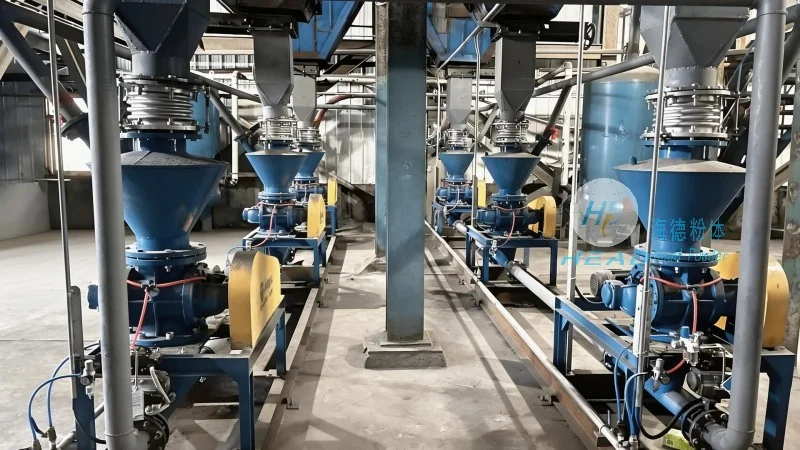
The core working principle of coal and coke powder pneumatic conveying equipment involves the use of air as the conveying medium. The system typically operates under either positive pressure (pressure pneumatic conveying) or negative pressure (vacuum pneumatic conveying). In positive pressure systems, a blower or compressor generates high-pressure air that propels the powder particles through a pipeline. The powder is mixed with the air stream, forming a dense or dilute phase flow, depending on the system design and operating conditions. Negative pressure systems, on the other hand, use a vacuum pump to create a low-pressure environment, drawing the powder into the pipeline as it is pulled by the vacuum. The choice between positive and negative pressure depends on factors such as the distance to be covered, the material's properties, and the desired system complexity. The equipment includes components like a hopper for material storage, a feeder to control the flow rate, a conveying pipeline, and a receiver to collect the material at the destination. The air flow is regulated by valves and filters to ensure optimal performance and prevent dust emissions.
Key Features and Advantages
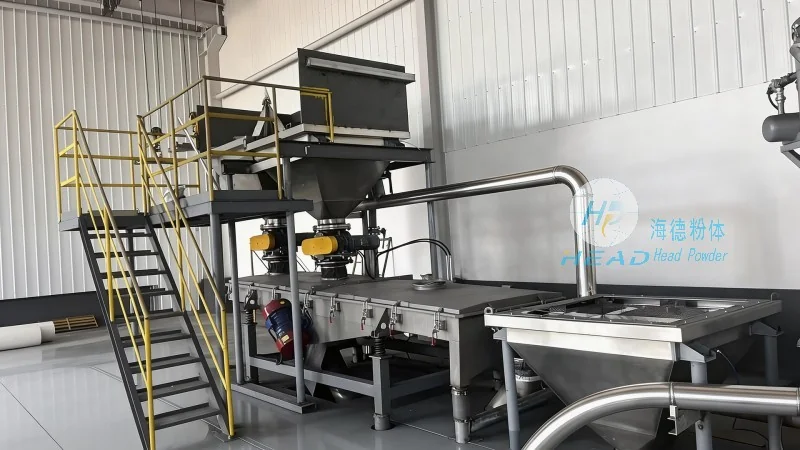
Coal and coke powder pneumatic conveying equipment offers several distinct advantages that make it a preferred choice for industrial applications. One of the primary benefits is its high efficiency in material transport. Unlike traditional methods like belt conveyors or bucket elevators, pneumatic conveying systems can handle fine powders and abrasive materials without causing excessive wear or blockages. The equipment is also highly flexible, allowing for changes in the conveying route or destination without major modifications. This adaptability is particularly valuable in dynamic industrial environments where production needs may change frequently. Additionally, pneumatic conveying is an environmentally friendly option, as it minimizes dust emissions compared to open-air handling methods. The enclosed system reduces the risk of dust pollution, making it compliant with environmental regulations. Another advantage is the ability to integrate multiple conveying lines into a single system, enabling the simultaneous transport of different materials or the mixing of powders at various stages. This integration enhances operational efficiency and reduces the need for separate handling equipment. The equipment is also relatively compact, requiring less floor space compared to other bulk material handling solutions, which is beneficial for facilities with limited area. Furthermore, modern pneumatic conveying systems are equipped with advanced control systems that allow for precise regulation of flow rates, pressure, and air volume, ensuring consistent and reliable performance. These controls help maintain product quality and prevent issues such as overloading or under-conveying.
Technical Specifications and Operational Considerations
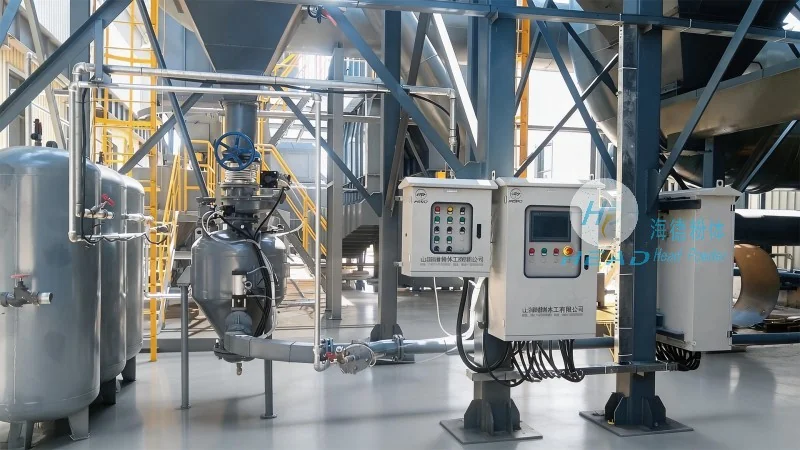
When selecting coal and coke powder pneumatic conveying equipment, several technical specifications and operational factors must be considered to ensure optimal performance. The system's capacity, measured in terms of material flow rate (e.g., tons per hour), is a critical parameter that depends on the application requirements. The conveying distance and the height of the vertical lift also influence the system design, as longer distances may require higher air pressure or additional booster units. The material's properties, such as particle size, density, and moisture content, affect the choice of conveying method and equipment components. For example, fine powders with high moisture content may require special hopper designs to prevent caking or agglomeration. The system's pressure rating and the type of blower or vacuum pump used are also important considerations, as they determine the maximum conveying distance and the efficiency of the process. Maintenance is another key aspect, as regular cleaning of the pipeline and filters is necessary to prevent dust buildup and ensure consistent performance. The equipment's durability and resistance to corrosion are also important, especially when handling abrasive or corrosive materials. Shandong HeadPowder Engineering Co., Ltd., a leading manufacturer in this field, offers a range of pneumatic conveying solutions tailored to specific industrial needs. The company's products are designed with advanced engineering principles, ensuring high efficiency, reliability, and compliance with industry standards. With a focus on quality and customer satisfaction, HeadPowder provides comprehensive support, including technical consultation, installation, and after-sales service, to help clients optimize their material handling processes. The company's headquarters is located in Shandong, China, where it leverages local expertise and resources to develop innovative solutions for the global market.




