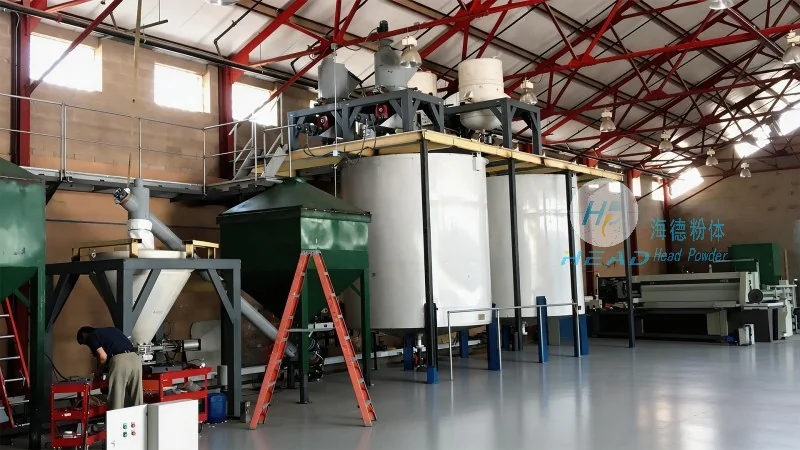
Pneumatic conveying of powders from bulk bags, especially when dealing with broken or damaged bags, involves a systematic process that integrates material handling, air movement, and equipment operation. The core principle revolves around using compressed air or vacuum to transport dry powders through a pipeline system. In the context of bulk bag (also known as super sack or FIBCs) handling, the process typically begins with the preparation of the bag for discharge. This may include opening the bag, removing any outer packaging, and positioning the bag over a receiving hopper or discharge valve. The system then uses a blower or vacuum pump to create a pressure differential that draws or pushes the powder from the bag into the conveying line. Key components include the bulk bag discharge valve, which controls the flow of material, the conveying pipeline (often made of stainless steel or other corrosion-resistant materials to handle various powders), and the air handling unit that regulates the air pressure and flow rate. The process ensures that the powder is transferred efficiently from the bag to the destination, minimizing spillage and contamination. The use of pneumatic methods allows for a closed system, which is particularly beneficial for handling dusty or hazardous materials, as it prevents dust from being released into the environment. The control system, often integrated with sensors and automation, monitors the flow rate, pressure, and other parameters to maintain optimal operation and prevent blockages or overloading. Specifically, the steps include: 1) Preparing the bulk bag by inspecting for damage and clearing the area around it; 2) Connecting the discharge valve to the bag, ensuring a secure and airtight seal; 3) Activating the blower or vacuum pump, adjusting the air pressure based on the powder's characteristics (e.g., particle size, density); 4) Initiating the conveying process, where the powder is drawn or pushed through the pipeline into the receiving equipment; 5) Monitoring the process through sensors and control panels to detect any issues like clogging or uneven flow, and stopping the operation if necessary. This systematic approach ensures efficient and safe powder transfer from the bulk bag to the final destination.
Key Characteristics of Bulk Bag Broken Bag Powder Pneumatic Conveying Systems
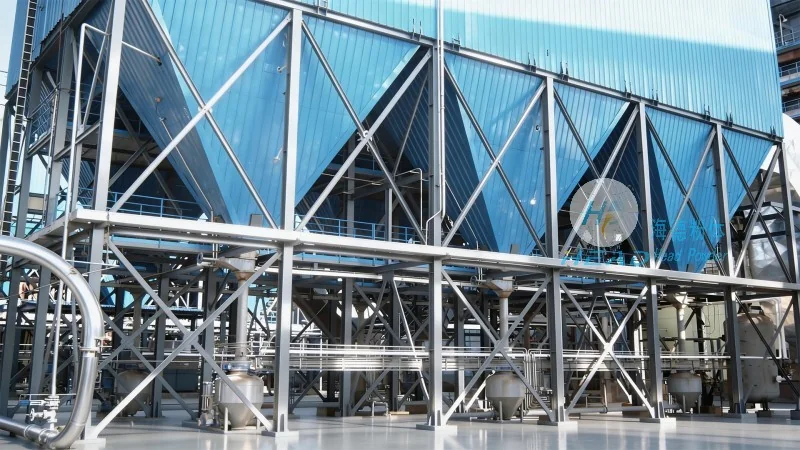
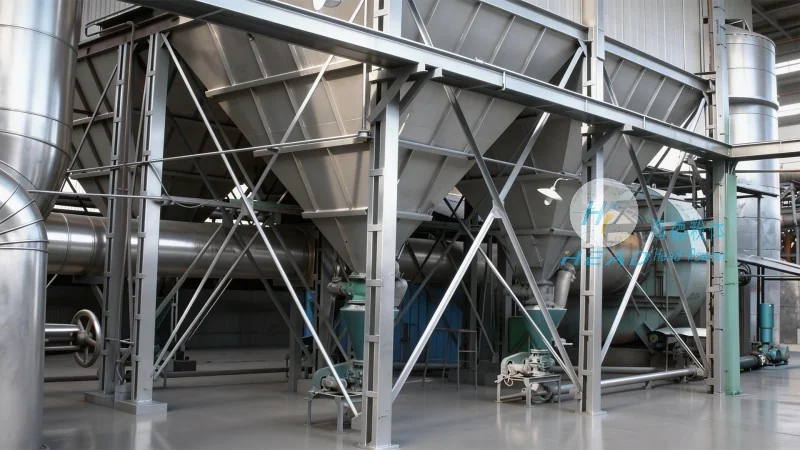
Bulk bag broken bag powder pneumatic conveying systems exhibit several distinct characteristics that make them suitable for various industrial applications. One of the primary advantages is their ability to handle large volumes of powder efficiently. Since bulk bags can hold several tons of material, the system can process substantial quantities in a single operation, reducing the number of handling steps and labor costs. The pneumatic method also offers high flexibility in terms of material handling, as it can transport powders over long distances and to multiple destinations without the need for complex mechanical equipment. Another notable characteristic is the cleanliness and hygiene of the process. By using a closed system, the risk of cross-contamination and product degradation is minimized, which is crucial for food, pharmaceutical, and chemical industries where product purity is paramount. The system also provides a dust-free environment, enhancing workplace safety and compliance with environmental regulations. Additionally, pneumatic conveying systems are relatively easy to install and maintain. The components, such as the discharge valve and blower, are designed for durability and low maintenance, reducing downtime and operational costs. The automation features, including sensors and control panels, allow for precise control of the conveying process, ensuring consistent performance and preventing issues like clogging or uneven flow. Furthermore, the system's adaptability to different powder types is a significant characteristic. It can handle a wide range of materials, from fine powders to bulkier granules, by adjusting the air pressure and flow rate. This flexibility makes the system suitable for diverse applications, from chemical processing to food processing, without requiring extensive modifications. The energy efficiency of pneumatic conveying is also a key characteristic. Compared to mechanical conveying methods like belt conveyors or screw conveyors, pneumatic systems can be more energy-efficient for certain applications, especially when transporting materials over moderate distances. The ability to use both positive and negative pressure (suction and pressure) further enhances the system's versatility, allowing it to handle different scenarios and material properties effectively. These characteristics collectively make bulk bag broken bag powder pneumatic conveying a reliable and efficient solution for industrial powder handling, particularly when dealing with large quantities of material and the need for a clean, controlled environment.
Company Overview and Solution Provider
Shandong HeadPowder Engineering Co., Ltd., operating under the brand name headpowder, specializes in providing advanced pneumatic conveying solutions for bulk bag handling. With a focus on innovation and quality, the company designs and manufactures systems tailored to meet the specific needs of various industries. HeadPowder's expertise lies in integrating robust components, such as high-performance discharge valves and efficient air handling units, to ensure reliable and efficient powder transfer. The company's systems are engineered to handle a wide range of materials, including those that are dusty, hazardous, or sensitive to contamination. By leveraging their experience and technical knowledge, HeadPowder delivers solutions that enhance operational efficiency, improve product quality, and ensure compliance with industry standards. Based in Shandong, China, the company serves clients globally, offering customized pneumatic conveying systems that adapt to diverse applications and requirements. The commitment to customer satisfaction and product excellence makes HeadPowder a trusted partner for businesses seeking reliable bulk bag powder handling solutions.




