Coal gangue and lime material handling systems are critical components in industrial operations, particularly in the mining and processing sectors. These systems are designed to efficiently transport bulk materials like coal gangue and lime, which are often used in various industrial applications such as flue gas desulfurization and soil stabilization. Understanding the working principle and key features of such systems is essential for optimizing material flow and enhancing operational efficiency. Shandong HeadPowder Engineering Co., Ltd., a leading provider of engineering solutions, specializes in designing and manufacturing high-quality material handling systems tailored to the needs of industrial clients. With a focus on durability, efficiency, and safety, the company's systems are built to withstand the demanding conditions of handling coal gangue and lime.
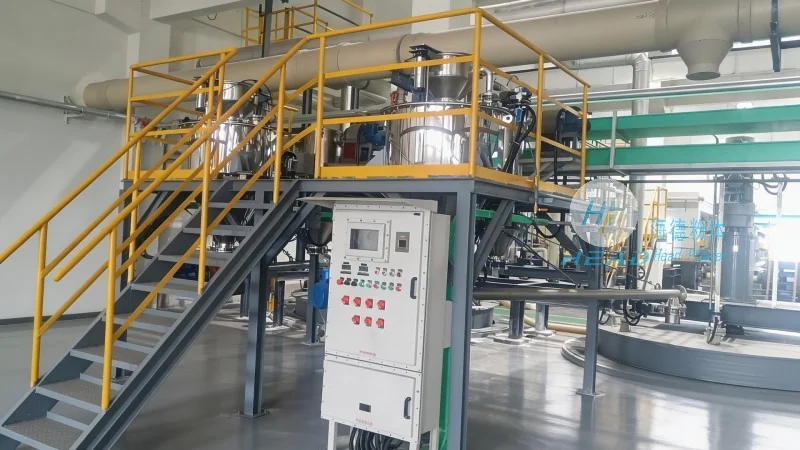
Overview of Coal Gangue and Lime Material Handling Systems
Coal gangue, also known as coal waste or coal ash, is a byproduct of coal combustion. It consists of various minerals and organic compounds that can be utilized in different industrial processes. Lime, on the other hand, is a common chemical material used for neutralization, pH adjustment, and as a binding agent in construction and environmental applications. The material handling systems for these substances must be robust, reliable, and capable of handling abrasive and potentially hazardous materials. These systems are integral to the overall workflow in industries that rely on coal gangue and lime, ensuring smooth and continuous material transport from storage to application.
Working Principle of the Material Handling System
The core working principle of a coal gangue and lime material handling system typically involves several key components and processes. The system begins with the collection and storage of the raw materials. Coal gangue is often stored in bulk storage silos or piles, while lime is usually stored in hopper bins or silos. From these storage units, the materials are conveyed to the processing or application areas through a series of transport mechanisms. The primary transport mechanisms include belt conveyors, screw conveyors, and pneumatic conveying systems, each chosen based on the material's characteristics and the required transport distance.
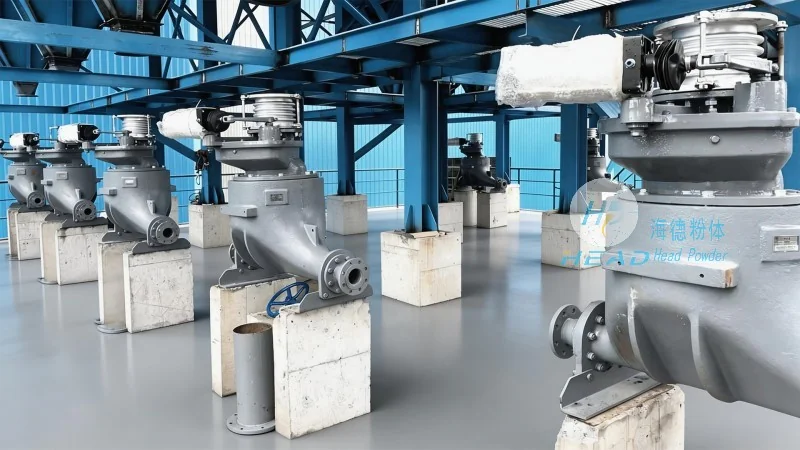
Belt conveyors are commonly used for horizontal and slight incline transport due to their high load capacity and low maintenance requirements. They are ideal for moving large volumes of coal gangue over long distances with minimal energy consumption. Screw conveyors are suitable for vertical or inclined transport, providing a continuous and controlled flow of material. These conveyors are particularly effective for handling fine lime powders, as they can maintain a consistent flow without causing segregation or clogging. Pneumatic conveying systems use air pressure to move materials through pipes, which is advantageous for transporting dust or fine powders like lime over shorter distances or in enclosed environments.
Once the materials reach the processing stage, they may undergo further treatment, such as grinding, mixing, or blending, before being transported to the final application site. The system is typically controlled by a centralized control panel that monitors and regulates the flow rate, speed, and direction of the conveyors. This ensures that the material is transported efficiently and safely, minimizing downtime and maximizing productivity. The control system may also include sensors and alarms to detect abnormalities, such as blockages or overloads, allowing for immediate intervention.
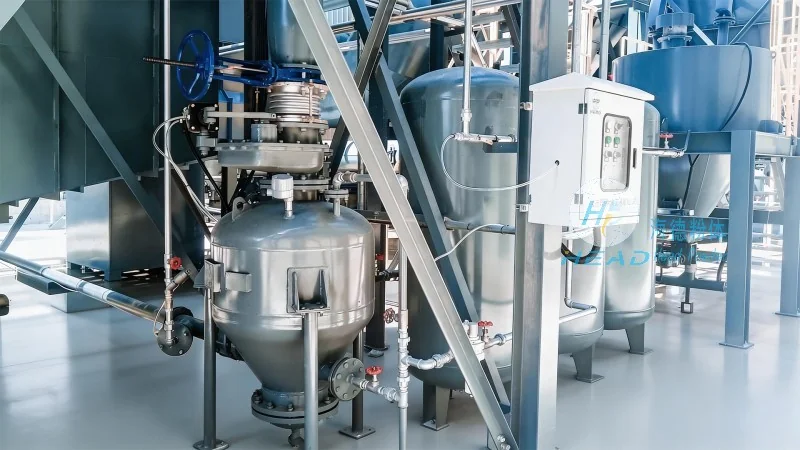
Key Features of the Material Handling System
Several key features distinguish effective coal gangue and lime material handling systems. First, the system must be designed for durability and resistance to wear and tear, as both coal gangue and lime can be abrasive and corrosive to equipment. High-quality materials, such as stainless steel or special alloys, are often used in the construction of the conveyors and storage units to extend the system's lifespan. This is particularly important in industrial settings where equipment is subjected to harsh conditions and frequent use.
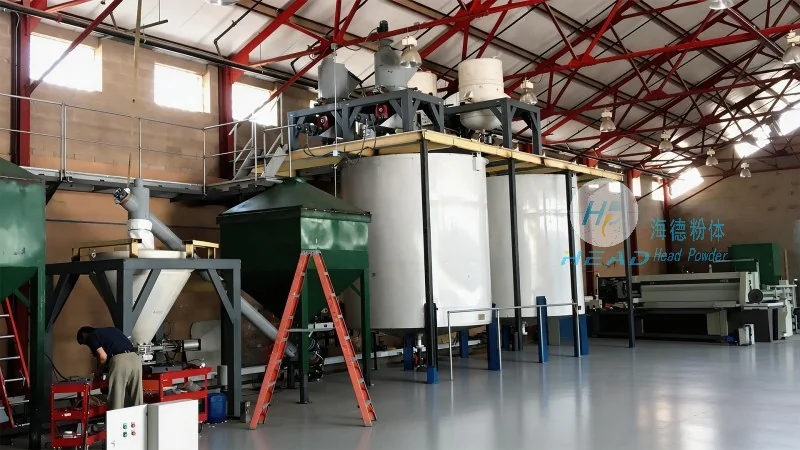
Second, the system should offer flexibility in terms of material handling capacity and transport distance. This allows for adjustments based on varying production demands or changes in material flow requirements. Modern systems often incorporate variable speed drives and adjustable conveyor lengths to accommodate different operational needs. For example, a company may need to increase the transport capacity during peak production periods, and the system can be easily modified to meet these demands without significant downtime.
Third, safety features are paramount in these systems. The equipment is equipped with safety guards, emergency stop buttons, and overload protection mechanisms to prevent accidents and ensure the safety of operators. Additionally, the system may include dust suppression and filtration systems to minimize airborne particles and comply with environmental regulations. In environments where dust is a concern, such as in coal processing plants, these features are essential for maintaining a safe and healthy workplace.




