HeadPowder, a leading engineering company based in Shandong, China, specializes in the design and implementation of efficient material handling solutions for various industries. This article explores the working principle and key features of sand particle material conveying systems, which are crucial for optimizing material transport in construction, mining, and other sectors.
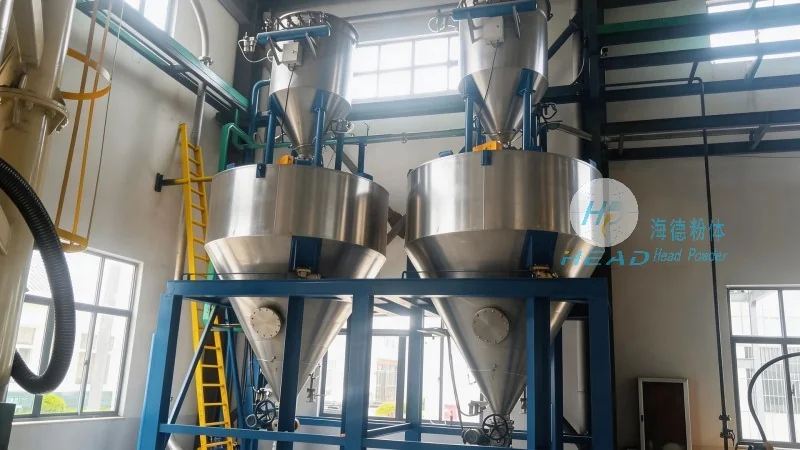
Working Principle of Sand Particle Material Conveying Systems
The core of a sand particle material handling system lies in its ability to transport granular materials like sand efficiently and reliably. These systems typically operate through a combination of mechanical components that work in tandem to move the material from one location to another. The process begins with the material being fed into the system, often via a hopper or feeder, which regulates the flow rate to ensure consistent operation. From there, the material is conveyed through a series of components, including conveyors, pumps, or pneumatic systems, depending on the specific design and application requirements.
For many sand particle systems, belt conveyors are a common choice due to their simplicity and effectiveness. The belt, made from durable materials such as rubber or synthetic fabrics, carries the sand along a predetermined path. The speed and tension of the belt are carefully controlled to maintain optimal material transport without causing excessive wear or spillage. In addition to belt conveyors, other mechanisms like screw conveyors or bucket elevators may be employed, especially in applications requiring vertical or inclined transport. These alternatives offer flexibility in handling different particle sizes and flow characteristics, ensuring that the system can adapt to diverse operational needs.
Key Features of Sand Particle Material Handling Systems
Efficient sand particle material handling systems are characterized by several critical features that enhance performance and reliability. One of the most important aspects is the system's ability to maintain a consistent flow rate, which is essential for preventing bottlenecks and ensuring smooth operation. This is achieved through advanced control systems that monitor and adjust the feeding and conveying processes in real-time, responding to changes in material volume or density.
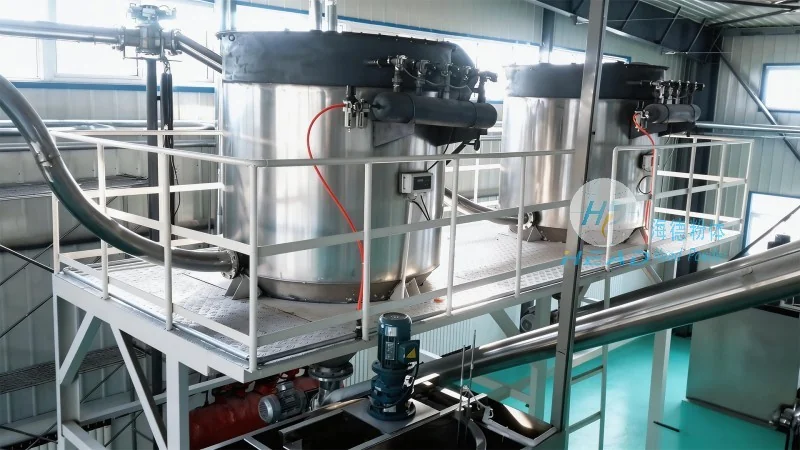
Another key feature is the system's durability and resistance to wear and tear. Sand particles are abrasive and can cause significant damage to equipment over time. To mitigate this, high-quality materials are used in the construction of components such as hoppers, conveyors, and pumps. For example, the hoppers are often lined with wear-resistant materials like rubber or metal alloys, while the conveyor belts are reinforced with strong fibers to withstand the constant impact of sand particles. This attention to material selection and design extends the lifespan of the system and reduces maintenance costs.
Energy efficiency is also a significant feature of modern sand particle material handling systems. By optimizing the speed of conveyors and the pressure of pneumatic systems, companies can reduce energy consumption without compromising performance. Additionally, the use of variable frequency drives (VFDs) allows for precise control of motor speeds, further minimizing energy waste. This not only lowers operational costs but also aligns with sustainability goals, making the system environmentally friendly.
Reliability and safety are paramount in any industrial material handling system, and sand particle systems are no exception. Advanced safety features, such as emergency stop buttons, overload protection, and sensor-based monitoring, are integrated into the design to prevent accidents and ensure smooth operation. The systems are also designed to minimize dust generation, which is a common issue with sand handling. Dust suppression systems, including water sprayers or enclosed conveyor designs, help to keep the working environment clean and safe for operators.
Applications and Benefits in Various Industries
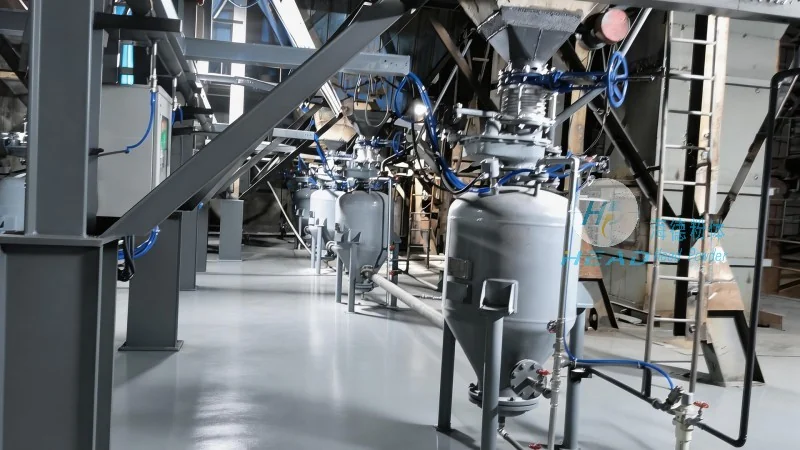
Sand particle material handling systems find widespread application across multiple industries, each benefiting from the system's ability to transport granular materials efficiently. In the construction industry, these systems are used to move sand for concrete production, road construction, and landscaping projects. The consistent and reliable transport of sand ensures that construction projects proceed on schedule, reducing delays and costs. In the mining sector, sand particle systems are employed to transport ore and other minerals from extraction sites to processing facilities. The ability to handle large volumes of material quickly and safely enhances productivity and operational efficiency.
In the manufacturing industry, sand particle handling systems are used in foundries and metalworking facilities to transport raw materials and waste products. The systems help to streamline production processes, improve material management, and reduce the risk of accidents. Additionally, the systems contribute to better workplace safety by minimizing manual handling of heavy or abrasive materials.
Overall, the features and working principles of sand particle material handling systems make them an indispensable tool in modern industrial operations. By combining efficiency, durability, and safety, these systems provide significant benefits to companies operating in construction, mining, and manufacturing. As technology continues to advance, these systems are likely to become even more sophisticated, offering further improvements in performance and sustainability.




