Understanding the material handling systems used for color masterbatch particles is crucial in the plastic manufacturing industry. These systems are designed to efficiently transport and manage color masterbatch granules, which are essential for imparting specific colors and properties to plastic products. The design principles behind such systems focus on ensuring high efficiency, reliability, and adaptability to various production requirements.
Introduction to Color Masterbatch Particle Material Handling Systems
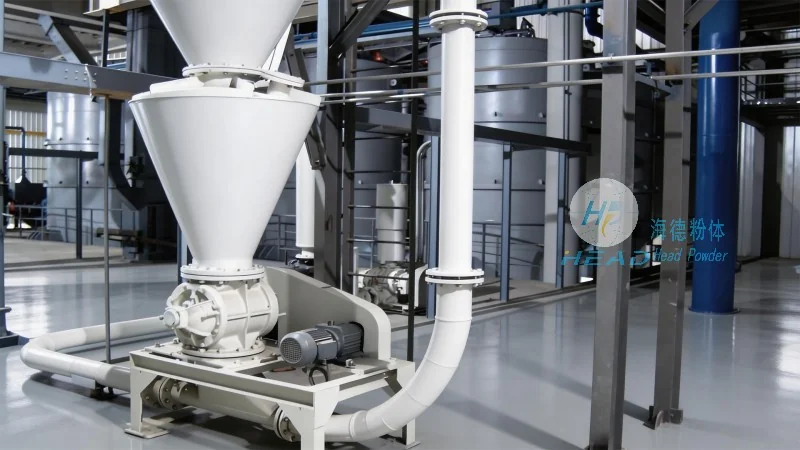
A color masterbatch particle material handling system is a specialized equipment setup used to transport, store, and distribute color masterbatch granules. These systems are integral to the plastic processing workflow, as color masterbatches are often used in small quantities to achieve precise color matching and to enhance the performance of plastic materials. The system typically includes components such as hoppers, conveyors, feeding mechanisms, and control units, all working in tandem to ensure smooth material flow from storage to the processing line.
Key Components and Their Functions
The core components of a color masterbatch particle material handling system include storage hoppers, screw feeders or vibratory feeders, conveyor belts or pneumatic systems, and control panels. The storage hoppers are designed to hold the color masterbatch granules, often with a capacity that matches the production scale. They are usually made of stainless steel or other corrosion-resistant materials to maintain the quality of the masterbatch. The feeding mechanisms, such as screw feeders, are used to regulate the flow rate of the granules into the conveyor system. These feeders can be adjusted to control the amount of masterbatch added to the plastic melt, ensuring consistent color intensity in the final product.
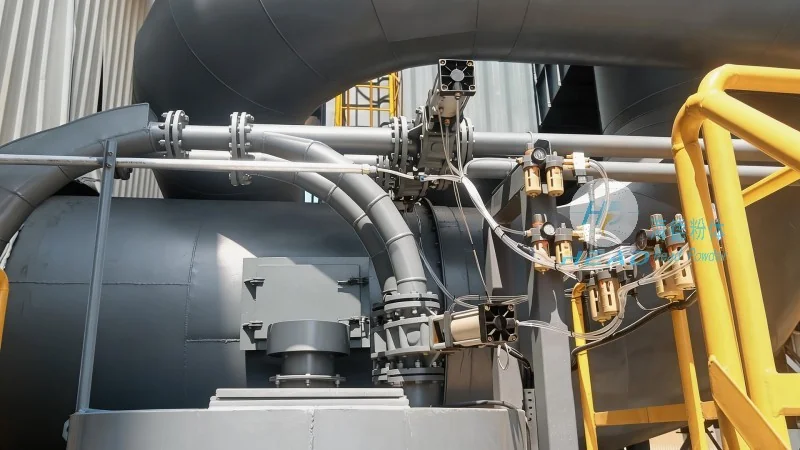
The conveyor system is responsible for transporting the color masterbatch granules from the storage area to the plastic processing machine. Depending on the production environment, the conveyor may be a belt conveyor, a screw conveyor, or a pneumatic conveyor. Belt conveyors are commonly used for bulk material handling due to their simplicity and efficiency. Screw conveyors, on the other hand, are ideal for vertical or inclined transport, as they can handle materials with a higher degree of control over the flow. Pneumatic conveyors use air pressure to move the granules, which is particularly useful for fine or dusty materials, ensuring minimal dust generation and contamination.
Design Principles for Efficient Material Handling
The design of a color masterbatch particle material handling system is guided by several key principles aimed at optimizing performance and minimizing operational issues. One of the primary principles is the minimization of material degradation and contamination. This is achieved by using materials that are resistant to the chemical properties of the color masterbatch, such as stainless steel or food-grade plastics, and by designing components that prevent material buildup and clogging. The system also incorporates features to prevent cross-contamination between different color masterbatches, which is critical for maintaining color consistency in production.
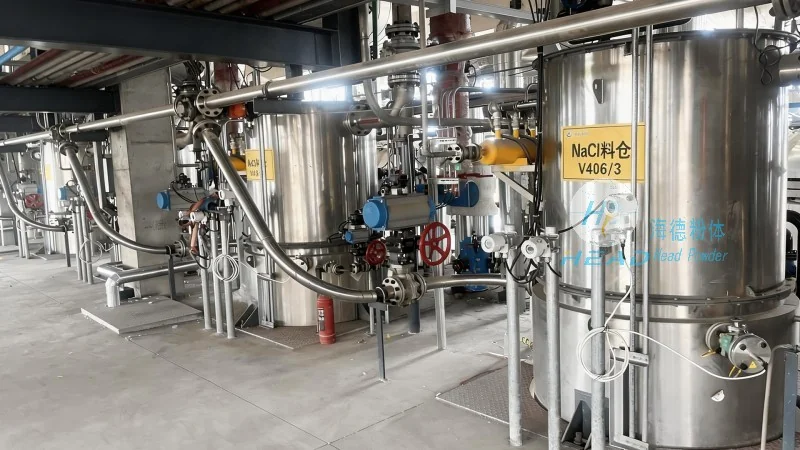
Another important design principle is the integration of automation and control. Modern material handling systems often include sensors and control panels that monitor the flow rate, level of material in the hoppers, and the status of the conveyor. This allows for real-time adjustments to maintain optimal production conditions. For example, if the level of masterbatch in a hopper drops below a certain threshold, the system can automatically trigger a refill or alert the operator. Similarly, if the conveyor speed needs adjustment to match the processing speed of the plastic machine, the control panel can provide immediate feedback and adjustments.
Adaptability and Scalability
Color masterbatch particle material handling systems are designed to be adaptable to different production scales and product requirements. The system can be scaled up or down based on the volume of color masterbatch needed, with components such as hoppers and conveyors being adjustable in size. This flexibility allows manufacturers to expand their production capacity without replacing the entire system. Additionally, the system can be customized to handle different types of color masterbatches, including those with varying particle sizes, moisture content, or chemical properties. This adaptability ensures that the system can meet the diverse needs of plastic manufacturers, from small-scale operations to large industrial plants.
Operational Benefits and Performance
The effective design of a color masterbatch particle material handling system offers several operational benefits. Firstly, it improves production efficiency by ensuring a continuous and consistent supply of color masterbatch to the processing line. This reduces downtime caused by material shortages or clogging, leading to higher throughput and better productivity. Secondly, it enhances product quality by maintaining consistent color intensity and preventing contamination. This is crucial for meeting customer specifications and regulatory requirements in the plastic industry. Thirdly, the system reduces labor costs by automating the material handling process, minimizing the need for manual intervention and reducing the risk of human error.
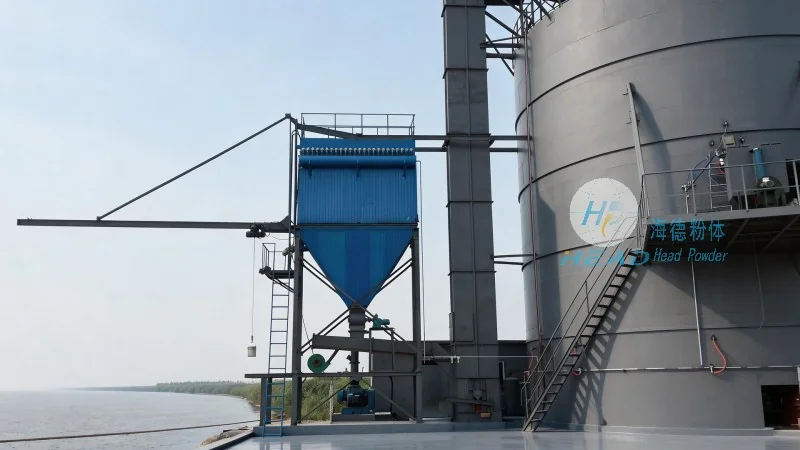
Furthermore, the design principles of such systems focus on energy efficiency. By using efficient conveyor systems and control mechanisms, the system minimizes energy consumption, which helps in reducing operational costs and environmental impact. The use of durable materials and well-engineered components also contributes to the longevity of the system, reducing maintenance and replacement costs over time.
Conclusion
In conclusion, a color masterbatch particle material handling system is a critical component in the plastic manufacturing process, designed to efficiently transport and manage color masterbatch granules. The design principles behind these systems prioritize efficiency, reliability, and adaptability, ensuring that they can meet the diverse needs of modern plastic production. By incorporating advanced materials, automation, and control features, these systems enhance production efficiency, product quality, and operational cost-effectiveness. As the plastic industry continues to evolve, the importance of well-designed material handling systems will only grow, making them an essential investment for manufacturers looking to maintain competitiveness and meet the demands of the market.




