What is a Lightweight Micropowder Material Handling System? And What Are Its Design Principles?
Release time:2026-09-15 01:03:45
name of the company:Shandong Headpowder Engineering Co., Ltd.
telephone:156-6277-7102
contacts:Zhang manager
For industries dealing with lightweight and fine powders, efficient material handling is crucial. A lightweight micropowder material handling system is a specialized solution designed to transport these delicate materials with precision and minimal disruption. This article explores the fundamental concepts behind such systems and the key design principles that ensure optimal performance.
Understanding the Core Components of a Lightweight Micropowder Material Handling System
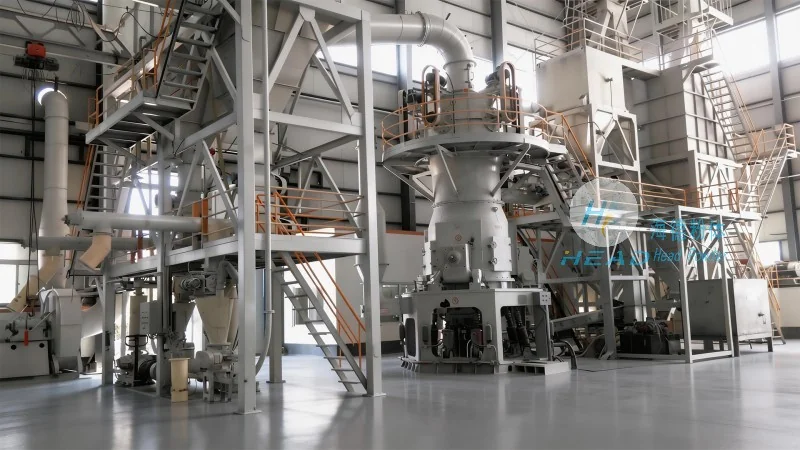
The system typically consists of several interconnected components that work in harmony to achieve reliable material transport. These components include feeders, conveyors, and control systems, each tailored to handle the unique properties of micropowders. Feeders are responsible for evenly distributing the material into the system, while conveyors move it through the process with controlled speed and direction. Control systems monitor and adjust the operation to maintain consistent flow and prevent issues like clogging or segregation.
Design Principles for Efficient Micropowder Handling
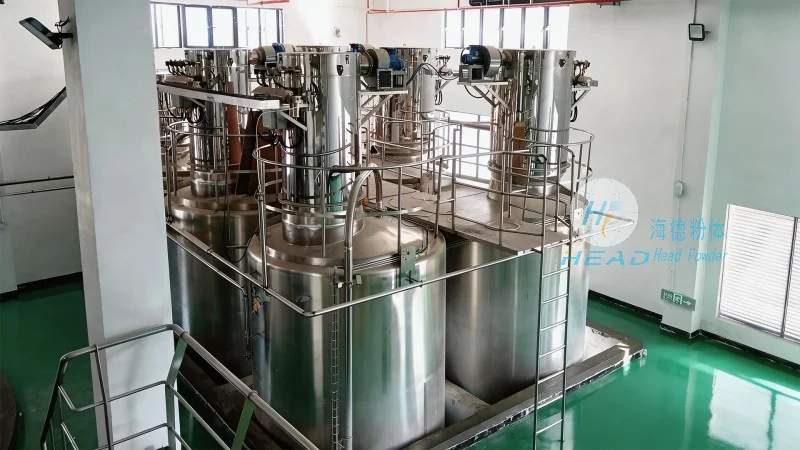
Designing a system for lightweight micropowders requires careful consideration of several factors to ensure efficiency and product integrity. One of the primary principles is minimizing particle degradation and agglomeration. This is achieved through gentle handling mechanisms, such as air-assisted or vibratory conveyors, which reduce mechanical stress on the particles. Another critical principle is preventing segregation, where different particle sizes or densities separate during transport. This is addressed by using uniform flow paths and consistent material feed rates.
The Role of Material Properties in System Design
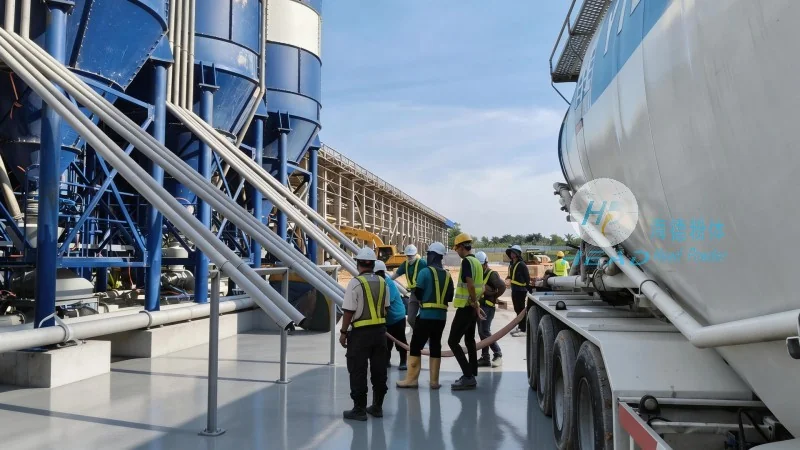
The physical and chemical properties of the micropowder play a significant role in determining the system's design. For example, materials with high moisture content may require additional drying or moisture control mechanisms to prevent clumping. Similarly, particles with varying sizes or shapes may necessitate specialized screening or separation equipment to ensure uniformity before transport. Engineers at Shandong HeadPowder Engineering Co., Ltd. carefully analyze these properties to tailor the system's components for optimal performance.
Advantages of a Well-Designed Micropowder Handling System
Implementing a properly designed lightweight micropowder material handling system offers several benefits. It enhances production efficiency by reducing downtime caused by clogs or material loss. It also improves product quality by minimizing contamination and degradation. Additionally, such systems can reduce labor costs by automating the material transport process, allowing operators to focus on other critical tasks. The system's design, including its ability to handle delicate materials without damage, contributes to overall cost savings and operational reliability.
Conclusion: The Importance of Specialized Engineering
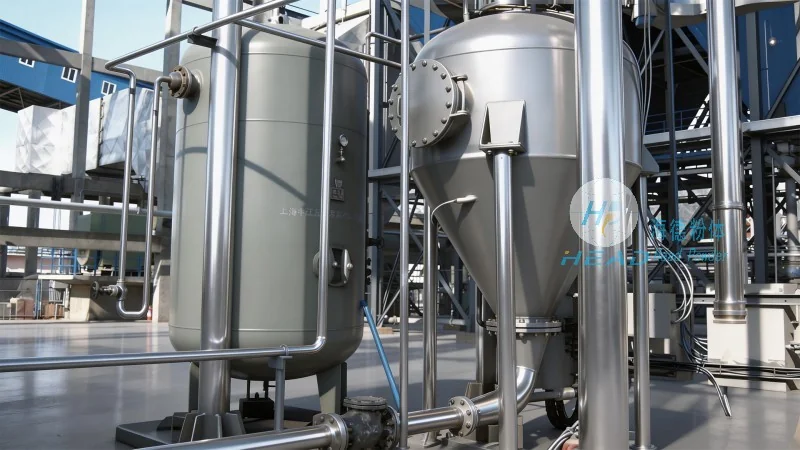
Lightweight micropowder material handling systems are essential for industries that rely on fine powders, such as pharmaceuticals, food processing, and chemical manufacturing. The design principles and components discussed above highlight the complexity and importance of specialized engineering in creating effective solutions. Companies like Shandong HeadPowder Engineering Co., Ltd. leverage their expertise to develop systems that meet the unique needs of their clients, ensuring efficient and reliable material transport while preserving product quality.




