Graphene pneumatic conveying systems represent a sophisticated technology designed for the efficient transport of fine powders, including graphene-based materials. These systems are engineered to handle delicate and high-value powders with precision, ensuring minimal product degradation and optimal flow control. The design integrates advanced pneumatic principles with specialized components tailored for the unique properties of graphene and similar nanomaterials.
Working Principle of Graphene Pneumatic Conveying Systems
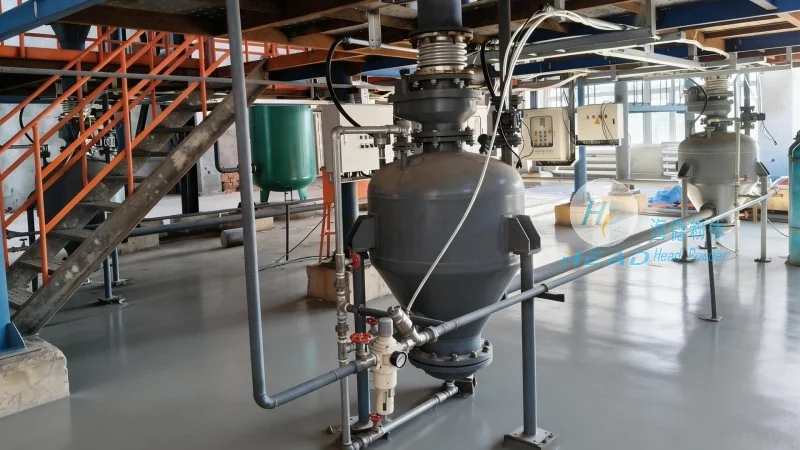
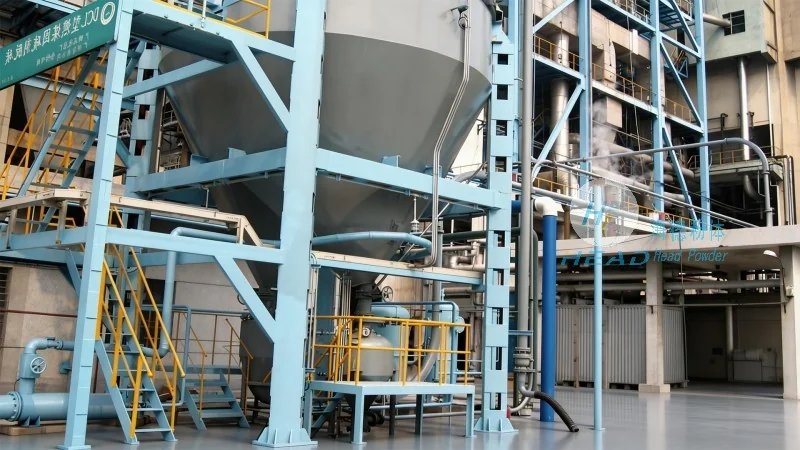
The core operation of a graphene pneumatic conveying system involves the use of compressed air or other gas to create a flow that propels the powder through a pipeline. The system typically consists of a feeding hopper, a pressure vessel or airlock, a conveying line, and a discharge unit. The process begins with the material being fed into the hopper, where it is then drawn into the conveying line by the differential pressure created by the moving air. The air velocity is carefully controlled to maintain a stable suspension of the powder particles, preventing clogging and ensuring consistent transport. The system may employ various configurations, such as dilute-phase or dense-phase conveying, depending on the specific requirements of the material being handled. For graphene, which is known for its high surface area and potential for agglomeration, the system is optimized to maintain particle integrity during transport. The air flow is regulated to achieve a uniform velocity that keeps the particles suspended without causing excessive shear or abrasion, which could damage the graphene structure.
Key Features of Graphene Pneumatic Conveying Equipment
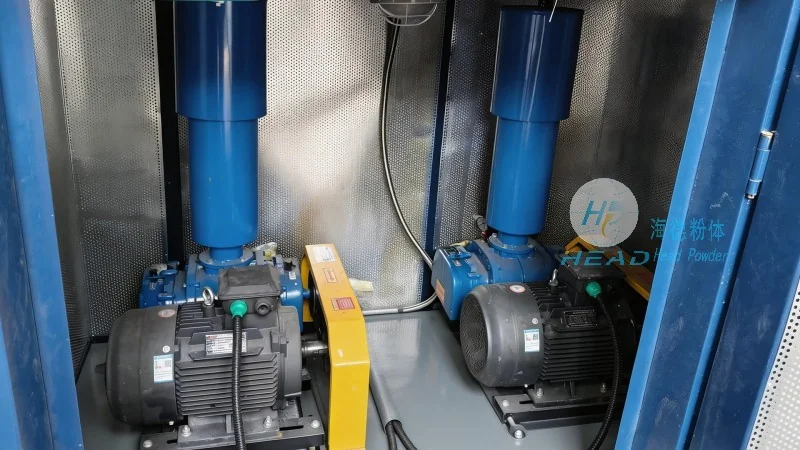
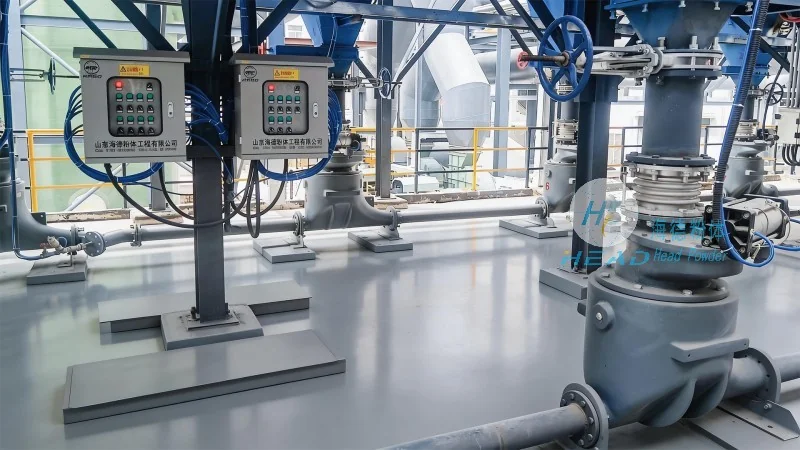
Equipment designed for graphene pneumatic conveying is characterized by several critical features that enhance performance and reliability. Firstly, the system incorporates high-quality materials resistant to corrosion and wear, particularly important when handling graphene, which may have abrasive properties. The components, such as the hopper and conveying line, are often made from stainless steel or other non-reactive metals to prevent contamination and maintain the purity of the graphene. Secondly, advanced control systems are integrated to monitor and adjust air pressure, flow rate, and particle concentration in real-time. This allows for precise regulation of the conveying process, ensuring optimal efficiency and minimizing energy consumption. The system also features safety mechanisms, including pressure relief valves and particle detection sensors, to prevent over-pressurization and ensure operational safety. Additionally, the design allows for easy maintenance and cleaning, with components that can be disassembled for inspection and replacement, reducing downtime and operational costs. The equipment is engineered to handle varying particle sizes and moisture content, making it versatile for different applications in industries such as electronics, batteries, and composites.
Company Overview: Shandong HeadPowder Engineering Co., Ltd.
HeadPowder, as the manufacturer of these advanced graphene pneumatic conveying systems, is a leading provider of engineering solutions for powder handling. With a focus on innovation and quality, the company specializes in designing and manufacturing equipment tailored to the unique needs of the graphene and nanomaterials industry. HeadPowder's facilities are located in Shandong, China, where the company leverages local expertise and resources to develop cutting-edge technologies. The company adheres to strict quality standards and employs a team of experienced engineers and technicians who are dedicated to delivering reliable and efficient solutions. HeadPowder's commitment to customer satisfaction and product excellence has established it as a trusted partner in the field of pneumatic conveying systems for high-value materials.




