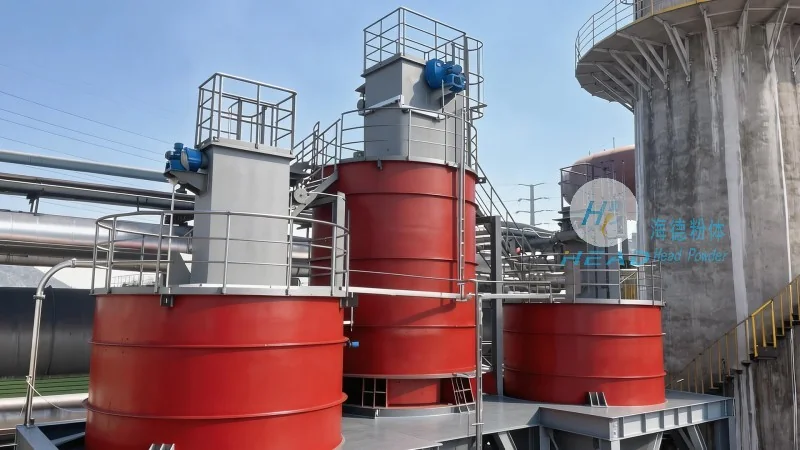
Phosphorus pentachloride (PCl₅) is a highly reactive and corrosive chemical compound widely used in the chemical industry for various applications, including the production of pesticides, pharmaceuticals, and organic intermediates. The safe and efficient handling of PCl₅ powder is critical due to its hazardous nature and the need for precise control in processing operations. This article explores the principle and working characteristics of a specialized powder conveying system designed for PCl₅, highlighting its technical design, operational mechanisms, and typical application scenarios.
Overview of Phosphorus Pentachloride and Its Handling Challenges
Phosphorus pentachloride is a white to yellowish crystalline solid with a strong odor and is known for its high reactivity with water and other moisture sources. It is hygroscopic, meaning it readily absorbs moisture from the air, which can lead to exothermic reactions and the formation of hydrochloric acid, posing significant safety risks during handling and transportation. Traditional methods of powder handling, such as manual loading or basic pneumatic conveying, often fail to meet the stringent safety and efficiency requirements for PCl₅ due to its corrosive properties and the need for minimal exposure to air and moisture.
Core Components and Working Principle of the Powder Conveying System
The powder conveying system for PCl₅ typically consists of several key components that work in tandem to ensure safe and reliable material transport. The primary components include a hopper for material storage, a rotary valve or feeder for controlled discharge, a pneumatic conveying line with appropriate ductwork, and a receiver or destination vessel. The system operates on the principle of pneumatic conveying, where compressed air is used to create a flow of air and powder particles through the pipeline.
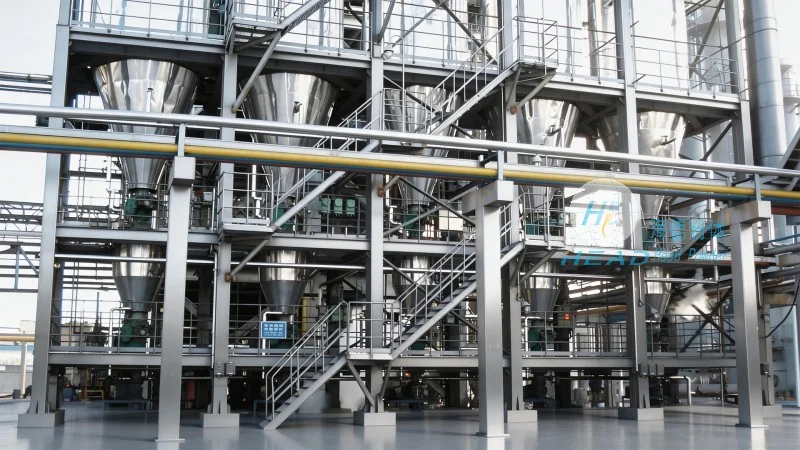
When PCl₅ is stored in the hopper, a rotary valve or feeder regulates the flow rate, ensuring a consistent and controlled feed into the conveying line. The compressed air, often supplied by a dedicated air compressor, is introduced into the pipeline at a specific pressure and flow rate. As the air flows through the line, it entrains the PCl₅ particles, forming a slurry-like mixture that is propelled toward the destination vessel. The design of the conveying line, including the use of smooth, corrosion-resistant materials (such as stainless steel or specialized plastic liners), is crucial to prevent material buildup and corrosion, which could compromise the system's integrity and safety.
Key Working Characteristics and Operational Advantages
The system's working characteristics are tailored to address the unique challenges of handling PCl₅. One of the primary advantages is the ability to maintain a low moisture environment, as the sealed conveying line prevents exposure to atmospheric moisture. This is essential for preserving the chemical stability of PCl₅ and preventing unwanted reactions that could lead to safety hazards. Additionally, the system offers precise control over the flow rate and pressure, allowing for accurate dosing and minimizing the risk of overloading or underloading the downstream equipment.
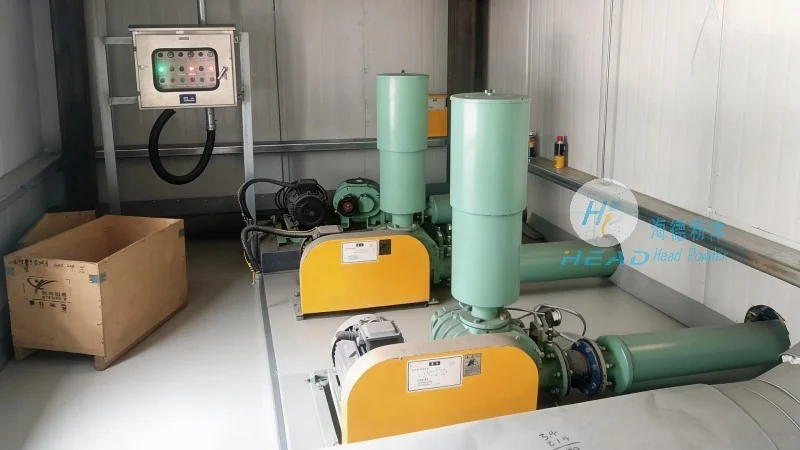
Another critical characteristic is the system's ability to handle the corrosive nature of PCl₅. The use of corrosion-resistant materials in the hopper, feeder, and conveying line ensures that the equipment remains durable and safe over extended periods of operation. The rotary valve and feeder are designed to minimize material contact with metal surfaces, reducing the risk of contamination and corrosion. The system also incorporates safety features, such as pressure relief valves and moisture sensors, to detect and mitigate potential hazards in real-time.
Typical Working Scenarios and Application Examples
The PCl₅ powder conveying system is commonly used in industrial settings where large quantities of PCl₅ need to be transported from storage to processing units or between different stages of production. For instance, in a chemical plant producing organic intermediates, the system may be employed to transfer PCl₅ from a bulk storage silo to a reactor or a mixing tank. The system's ability to handle high volumes of material efficiently and safely makes it ideal for continuous production lines.
In pharmaceutical manufacturing, the system can be used to convey PCl₅ to a synthesis unit where it is used as a reagent in the production of active pharmaceutical ingredients (APIs). The system's precise control over flow rates ensures that the correct amount of PCl₅ is added to the reaction, maintaining product quality and consistency. Additionally, the system's sealed design helps to prevent contamination of the PCl₅ with other materials, which is critical for maintaining the purity of pharmaceutical products.
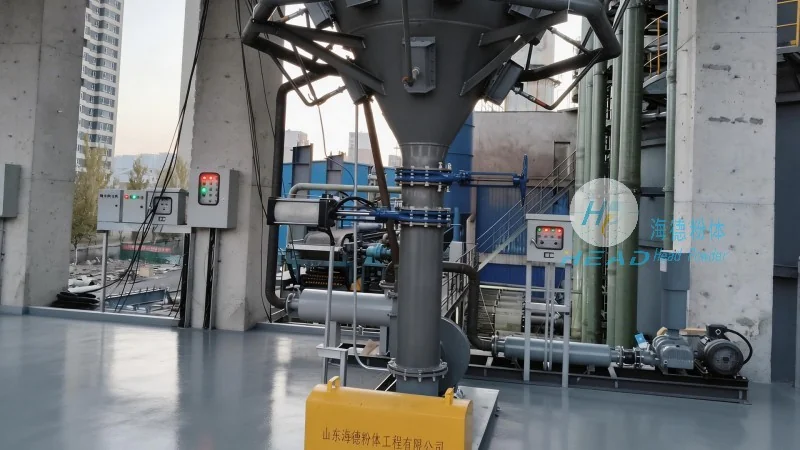
In the pesticide industry, PCl₅ is often used as an intermediate in the synthesis of organophosphate pesticides. The conveying system is used to transport PCl₅ from storage to a reaction vessel where it is combined with other chemicals to form the final pesticide product. The system's ability to handle the corrosive and hazardous nature of PCl₅ ensures that the production process is safe and efficient, minimizing the risk of accidents and spills.
Conclusion and Company Information
The powder conveying system for phosphorus pentachloride is a sophisticated piece of equipment designed to address the unique challenges of handling a highly reactive and corrosive chemical. By incorporating advanced materials, precise control mechanisms, and safety features, the system ensures the safe and efficient transport of PCl₅ in industrial applications. As a leading provider of specialized engineering solutions, Shandong HeadPowder Engineering Co., Ltd. specializes in designing and manufacturing such systems to meet the specific needs of the chemical industry. With a focus on safety, efficiency, and durability, the company's products are trusted by clients worldwide for their reliability and performance.




