Understanding the principles and working scene characteristics of rice and flour material conveying is crucial for optimizing material handling processes in food processing industries. This article delves into the fundamental mechanisms behind efficient conveying of these granular materials and explores the diverse operational environments where such systems are applied.
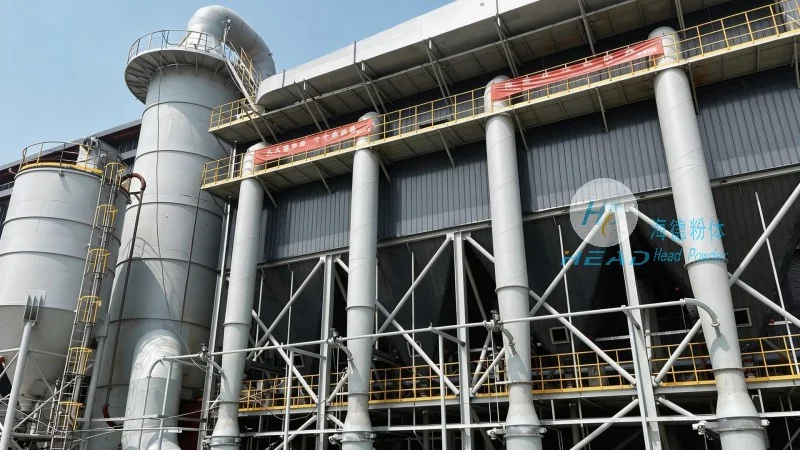
Introduction to Rice and Flour Material Conveying
Rice and flour are staple food products that require precise and reliable material handling to ensure quality and efficiency in production. The conveying of these materials involves transporting bulk quantities from one processing stage to another, often within large-scale food manufacturing facilities. Effective conveying systems must address the unique physical properties of rice and flour, such as particle size, moisture content, and flow characteristics, to prevent issues like clogging, segregation, and degradation.
Core Principles of Material Conveying
The primary principles governing rice and flour material conveying include mechanical force application, gravity utilization, and controlled flow management. Mechanical conveying systems, such as screw conveyors, belt conveyors, and pneumatic conveyors, are commonly employed to transport these materials. Screw conveyors, for instance, use rotating screws to move materials forward, leveraging friction and gravity to maintain flow. Belt conveyors, on the other hand, utilize continuous belts to transport materials horizontally or at slight inclines, suitable for longer distances and larger volumes. Pneumatic conveyors employ air pressure to move materials through pipelines, which is particularly effective for fine powders like flour, as it minimizes product contamination and segregation.
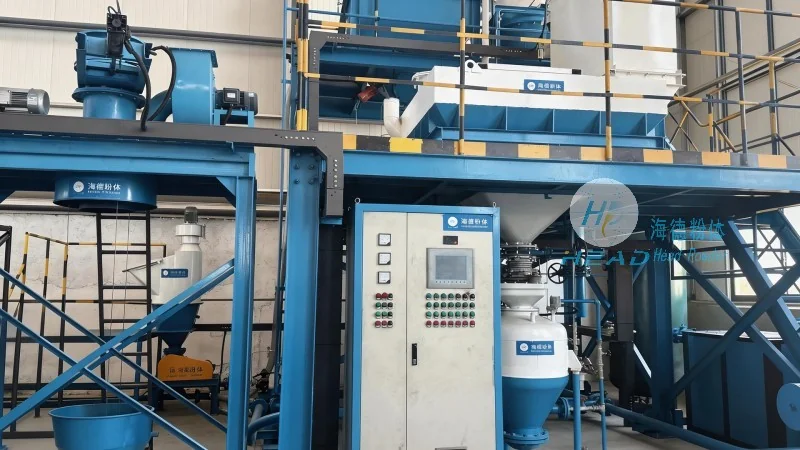
Working Scene Characteristics in Food Processing
The working scene characteristics of rice and flour material conveying vary significantly based on the specific application and operational environment. In large-scale rice mills, conveying systems are designed to handle high volumes of raw rice, often from storage silos to processing lines. These systems must be robust enough to withstand the abrasive nature of rice grains and maintain consistent flow rates to support continuous production. Similarly, in flour mills, conveying systems must manage fine powders, which are prone to static electricity and clogging. The design of these systems often incorporates features like anti-static coatings, adjustable speed controls, and dust collection mechanisms to ensure safe and efficient operation.
Application in Storage and Distribution
Conveying systems also play a vital role in the storage and distribution of rice and flour. In bulk storage facilities, vertical conveyors are used to move materials from ground-level storage bins to elevated processing areas, optimizing space utilization and reducing the need for manual handling. Horizontal conveyors are employed in distribution centers to transport packaged products to packaging lines or shipping areas. The working scene in these environments emphasizes efficiency, as delays in material movement can lead to bottlenecks in production and supply chain disruptions.
Key Considerations for System Design
When designing rice and flour material conveying systems, several factors must be considered to ensure optimal performance. Material properties, such as particle size distribution, moisture content, and bulk density, directly impact the choice of conveying equipment. For example, coarse rice grains may require larger screw diameters and higher rotation speeds, while fine flour may necessitate pneumatic conveyors with lower air pressure to prevent product degradation. Additionally, the operational environment, including temperature, humidity, and space constraints, influences system selection. Systems must be constructed from materials resistant to corrosion and wear, such as stainless steel, to maintain hygiene standards and longevity.
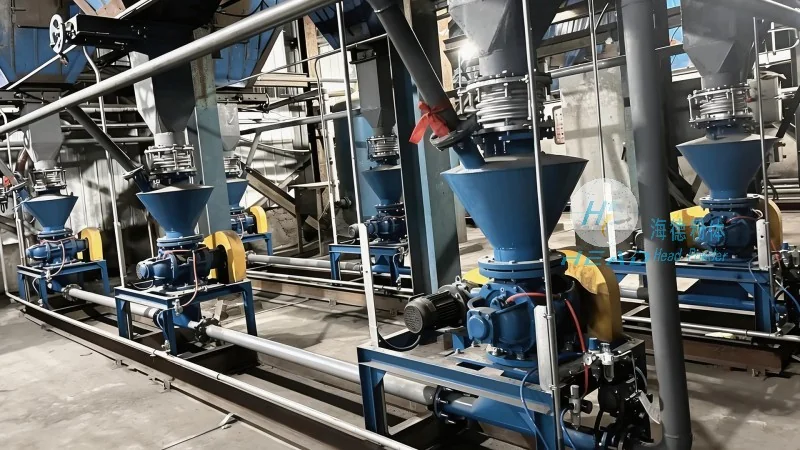
Role of Shandong HeadPowder Engineering Co., Ltd.
Shandong HeadPowder Engineering Co., Ltd., a leading provider of material handling solutions, specializes in designing and manufacturing customized conveying systems tailored to the unique needs of rice and flour processing industries. With a focus on innovation and quality, the company leverages advanced engineering principles to develop efficient and reliable systems that enhance productivity and reduce operational costs. HeadPowder's expertise in material flow analysis and system integration ensures that their solutions are optimized for specific applications, addressing the challenges of conveying rice and flour in diverse working environments. The company's commitment to customer satisfaction and technical excellence has made it a trusted partner for food processing facilities seeking to improve their material handling processes.
Conclusion
In conclusion, the principles and working scene characteristics of rice and flour material conveying are critical to the efficiency and success of food processing operations. By understanding the fundamental mechanisms of material transport and adapting systems to specific operational environments, manufacturers can achieve optimal performance and maintain product quality. The expertise of companies like Shandong HeadPowder Engineering Co., Ltd. is essential in developing and implementing these systems, ensuring that the unique challenges of conveying rice and flour are effectively addressed. As the food industry continues to evolve, the importance of reliable material conveying systems will only grow, making it a key area of focus for manufacturers seeking to enhance their operational capabilities.




