

What is a Winery Sludge Material Pneumatic Conveying Machine? And What Are Its Design Principles?
Winery sludge, also known as grape pomace or grape waste, is a byproduct generated during the winemaking process. This material is rich in organic matter and nutrients but poses challenges for handling and transportation due to its high moisture content and irregular particle size. To address these challenges, specialized equipment like the winery sludge material pneumatic conveying machine has been developed. This equipment is designed to efficiently transport sludge from one location to another within a winery or related industrial facilities, ensuring optimal process flow and operational efficiency.
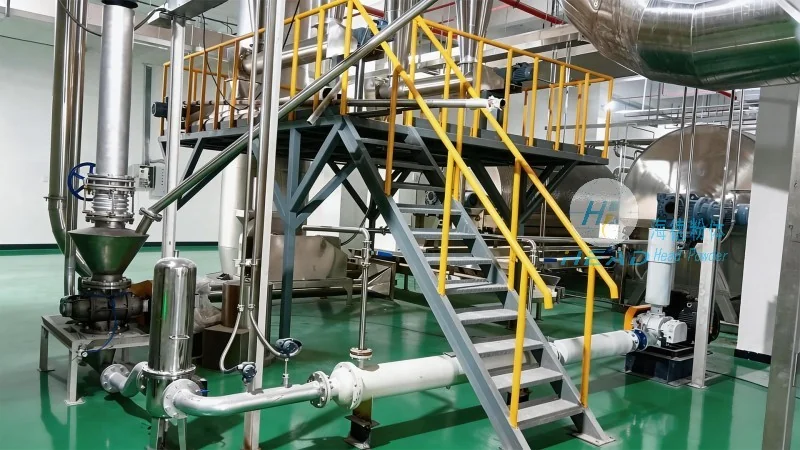
Key Components and Working Principle
The winery sludge material pneumatic conveying machine operates based on the principle of pneumatic transport, which utilizes compressed air to move bulk materials through a closed pipeline system. The core components of this specialized equipment include a hopper for receiving and storing the winery sludge, a rotary airlock or feeder that regulates the flow of sludge into the conveying line, a high-pressure air compressor (such as a rotary lobe or piston compressor) that generates the necessary air pressure to drive the material, and a network of stainless steel pipelines (typically 2 to 6 inches in diameter) that transport the sludge to the target location. The system may also incorporate additional components such as cyclone separators to separate the sludge from the air stream, air filters to maintain air quality, and control panels equipped with digital displays and programmable logic controllers (PLCs) to monitor and adjust the operation parameters. The design of the machine is optimized to handle the unique properties of winery sludge, including its high moisture content (often 60-80% water), variable particle size (ranging from fine powders to larger pomace fragments), and potential for clogging. By using a combination of low-pressure (0.5 to 1.5 bar) and high-volume air flow (typically 10 to 30 m³/min), the equipment ensures efficient transport while minimizing energy consumption and reducing the risk of material blockages. The airlock and feeder are designed with anti-clogging features, such as adjustable speed and material flow control, to prevent the buildup of sludge in the system.
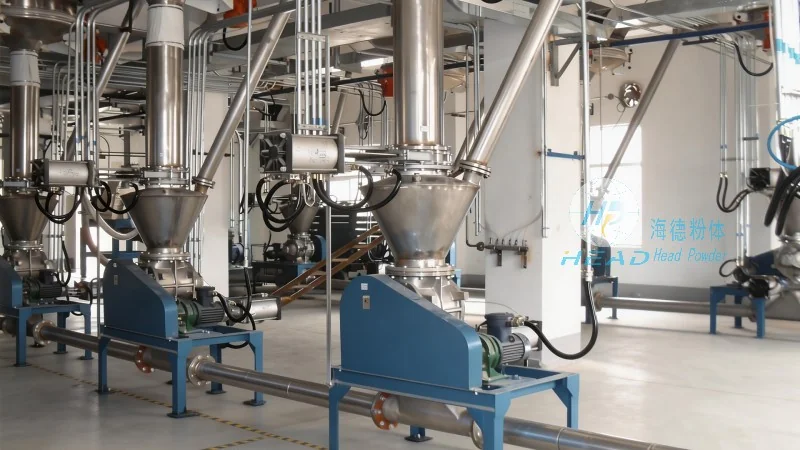
Design Principles for Efficient Sludge Handling
The design of a winery sludge material pneumatic conveying machine follows several key principles to ensure optimal performance. First, the equipment is built with corrosion-resistant materials, such as stainless steel or specialized alloys (e.g., 316L stainless steel), to withstand the acidic and organic nature of the sludge. This prevents material degradation and maintains hygiene standards essential for food processing environments. Second, the system is designed with a low-pressure, high-volume air flow to minimize energy consumption while ensuring effective transport. The pipeline diameter and length are carefully calculated based on the sludge characteristics and the distance to be covered, optimizing the conveying efficiency. Additionally, the machine incorporates safety features like pressure relief valves and automatic shut-off mechanisms to prevent accidents and protect the equipment from damage. The control system is typically user-friendly, allowing operators to adjust parameters such as air pressure and flow rate according to the specific needs of the winery. Advanced sensors may also be integrated to monitor sludge level and air pressure in real-time, providing early warnings of potential issues.
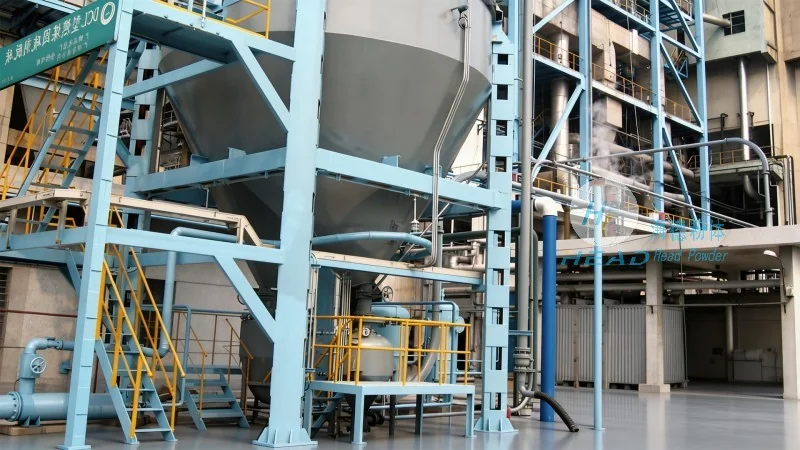
Applications and Benefits in Winery Operations
The winery sludge material pneumatic conveying machine is widely used in various stages of winemaking and related processes. It is commonly employed to transport sludge from the fermentation tanks to storage silos or processing units, facilitating the separation of solids from liquids. The machine also plays a crucial role in the disposal and recycling of winery sludge, as it can efficiently move the material to composting or biogas production facilities. By using pneumatic conveying, wineries can achieve significant improvements in operational efficiency, as the process is automated and requires minimal manual intervention. Additionally, the system reduces labor costs and improves workplace safety by eliminating the need for manual handling of heavy and potentially hazardous sludge. The equipment also contributes to environmental sustainability by enabling the proper management of winery waste, reducing the risk of contamination and promoting recycling initiatives. Furthermore, the compact design of the machine allows for easy integration into existing winery layouts, minimizing space requirements and avoiding disruptions to production schedules.
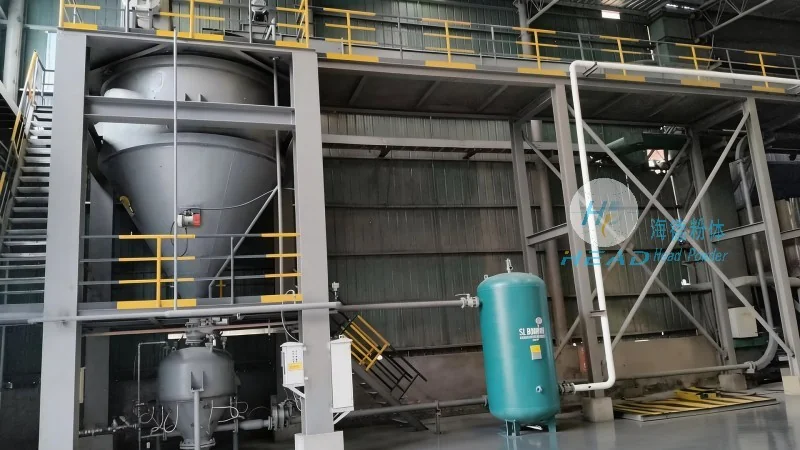
Company Overview: Shandong HeadPowder Engineering Co., Ltd.
Shandong HeadPowder Engineering Co., Ltd., commonly known as HeadPowder, is a leading manufacturer of specialized industrial equipment, including winery sludge material pneumatic conveying machines. The company is headquartered in Shandong, China, and has established a strong reputation for producing high-quality, reliable equipment tailored to the needs of the food and beverage industry. HeadPowder's team of engineers and technicians has extensive experience in designing and manufacturing pneumatic conveying systems, ensuring that their products meet the stringent requirements of wineries and other industrial facilities. The company focuses on innovation and customer satisfaction, continuously improving its products to deliver superior performance and durability. With a commitment to quality and service, HeadPowder has become a trusted partner for wineries and industrial clients seeking efficient and effective solutions for sludge handling and transportation. HeadPowder's manufacturing facilities are equipped with advanced production lines and quality control systems, ensuring that each machine is built to meet international standards and customer specifications. The company also provides comprehensive after-sales support, including installation, maintenance, and technical assistance, to ensure long-term reliability and customer satisfaction.