

What is an Expanded Clay Aggregate Pneumatic Conveying Machine? And Its Design Principles Explained
For industrial applications involving the transport of expanded clay aggregate, understanding the technology behind pneumatic conveying systems is crucial. This article explores the concept of an expanded clay aggregate pneumatic conveying machine and delves into its fundamental design principles, providing insights into how such equipment operates efficiently in material handling processes.
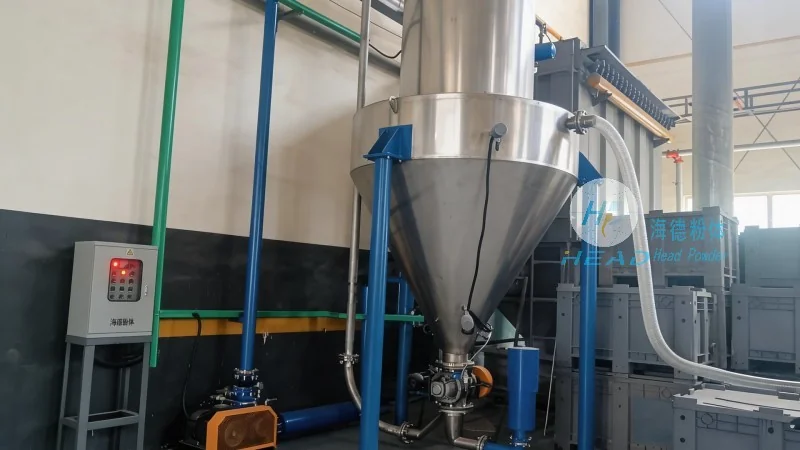
Understanding the Expanded Clay Aggregate Pneumatic Conveying Machine
An expanded clay aggregate pneumatic conveying machine is a specialized piece of industrial equipment designed to transport bulk materials, specifically expanded clay aggregates, through a pipeline using air or gas as the conveying medium. This method of material transport is known as pneumatic conveying and offers several advantages over traditional mechanical or gravity-based systems, including the ability to handle fine or dusty materials without the need for additional handling steps. HeadPowder, a leading manufacturer in the field, offers advanced solutions tailored to the unique characteristics of expanded clay aggregates. The company, based in Shandong, China, specializes in engineering and manufacturing high-quality pneumatic conveying systems that meet the demands of various industrial sectors, such as construction, agriculture, and environmental remediation.
Key Components and Working Principle
The operation of an expanded clay aggregate pneumatic conveying machine relies on a combination of key components that work in harmony to ensure efficient material transport. The primary components include a hopper for material storage, a blower or compressor to generate the air flow, a pipeline system for material transport, and a receiver or discharge unit for material collection. When the system is activated, the expanded clay aggregate is fed into the hopper. The blower then generates a high-pressure air stream that draws the material from the hopper and propels it through the pipeline. The air flow, combined with the material's density and particle size, determines the conveying velocity and distance. The receiver at the end of the pipeline collects the material, allowing for a controlled and continuous transport process.
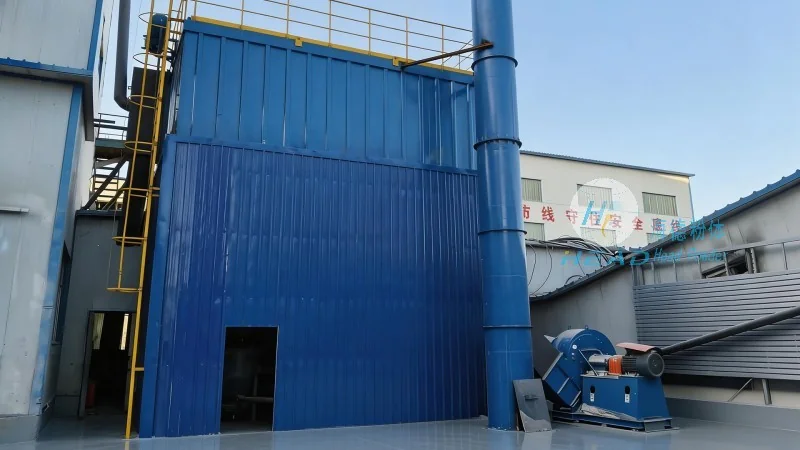
Design Principles for Efficient Conveying
The design of an expanded clay aggregate pneumatic conveying machine is based on several critical principles to ensure optimal performance and minimize operational issues. One of the most important principles is the selection of appropriate air velocity, which must be sufficient to overcome the material's resistance to flow while avoiding excessive energy consumption. The air velocity is typically determined by the material's properties, such as particle size, density, and moisture content, as well as the conveying distance and pipeline diameter. Another crucial design principle is the consideration of pipeline design and layout. The pipeline must be sized appropriately to accommodate the material flow without causing excessive pressure drops or blockages. The use of bends, elbows, and other fittings requires careful consideration to maintain consistent air flow and prevent material deposition. Additionally, the inclusion of filters and cleaning mechanisms is essential to maintain system efficiency and prevent dust accumulation.
Advantages of Using Pneumatic Conveying for Expanded Clay Aggregates
Implementing an expanded clay aggregate pneumatic conveying machine offers numerous benefits for industrial operations. Unlike mechanical conveyors, pneumatic systems can handle fine or abrasive materials without causing wear and tear on components. The enclosed pipeline system also helps to contain dust and prevent environmental contamination, making it suitable for applications where material cleanliness is a priority. Furthermore, pneumatic conveying allows for flexible system layouts, enabling the integration of multiple feeding or discharge points without the need for complex reconfiguration.
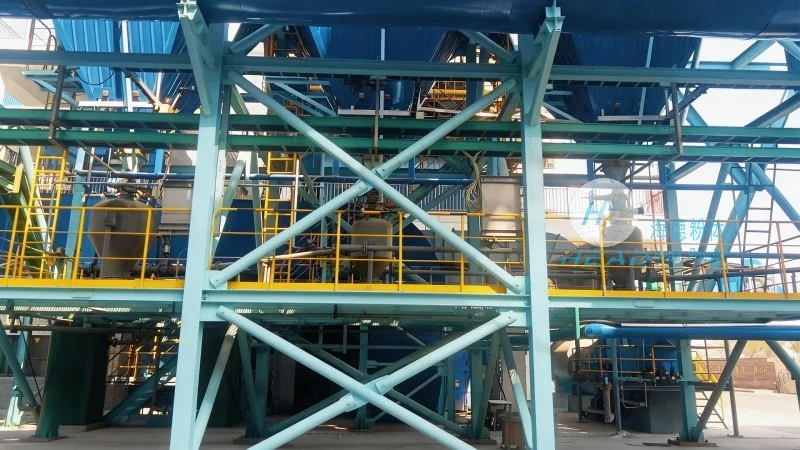
Applications and Industries
The expanded clay aggregate pneumatic conveying machine is widely used in various industries that rely on the efficient transport of bulk materials. In the construction industry, these systems are commonly used to transport aggregates for concrete production, ensuring a consistent and controlled supply of materials at construction sites. In agriculture, they are utilized for the transport of soil amendments or fertilizers, facilitating the distribution of nutrients to agricultural fields. Additionally, in environmental remediation projects, pneumatic conveying systems are employed to transport contaminated soil or waste materials for treatment and disposal.
Conclusion
Understanding the design principles and operational aspects of an expanded clay aggregate pneumatic conveying machine is essential for industries seeking efficient and reliable material handling solutions. With its ability to handle fine materials and provide flexible system configurations, this technology continues to be a preferred choice for many applications. HeadPowder, with its expertise in engineering and manufacturing, provides high-quality pneumatic conveying systems that meet the specific needs of its clients, ensuring optimal performance and durability in demanding industrial environments.