Automatic quantitative material handling systems are advanced industrial solutions designed to precisely measure, transport, and dispense bulk materials with high accuracy and efficiency. These systems are integral to modern manufacturing, pharmaceutical, and food processing industries, where consistent and reliable material flow is critical for quality control and operational productivity. The core function of such systems is to ensure that materials are handled in exact quantities, eliminating human error and enhancing process consistency.
Understanding the Core Function of Automatic Quantitative Material Handling
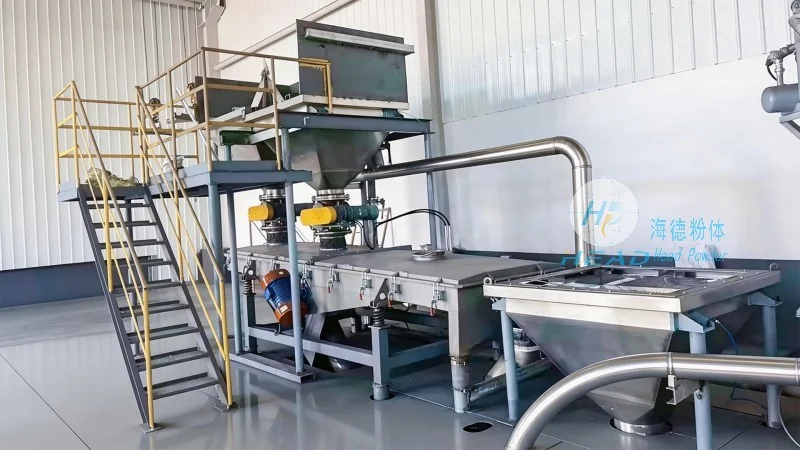
At the heart of automatic quantitative material handling is the ability to deliver materials in predefined, consistent amounts. This is achieved through a combination of precision measurement devices, such as load cells, flow meters, and volumetric sensors, which work in tandem with automated control systems. The system typically involves a hopper or storage container that feeds material into a conveyor or dispensing mechanism. As material moves through the system, sensors continuously monitor the flow rate and quantity, adjusting the output to match the desired target. This closed-loop control ensures that each batch or unit of material is delivered with minimal variance, which is essential for applications like pharmaceutical dosing, chemical mixing, or food packaging where accuracy is non-negotiable.
The Design Principles Underpinning Automatic Material Handling Systems
The design of automatic quantitative material handling systems is guided by several key principles aimed at maximizing precision, reliability, and adaptability. First, the system must incorporate robust measurement technology to ensure accurate quantification. Load cells, for instance, provide precise weight measurements, while volumetric sensors measure volume, and flow meters track the rate of material flow. These sensors are integrated with a programmable logic controller (PLC) or a more advanced industrial computer system, which processes the data and adjusts the system's operation in real-time. Second, the system's mechanical design must prioritize durability and low maintenance. Components like conveyor belts, hoppers, and dispensing nozzles are constructed from materials resistant to corrosion, wear, and abrasion, ensuring long-term performance in harsh industrial environments. Third, the system must be scalable and customizable to accommodate different material types and processing requirements. This flexibility allows manufacturers to adapt the system for various applications, from small-scale laboratory use to large-scale production lines.
Key Components and Their Roles in the System
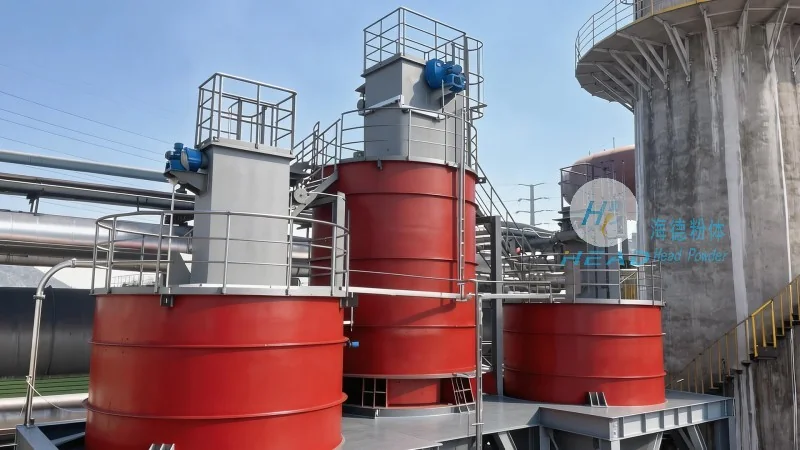
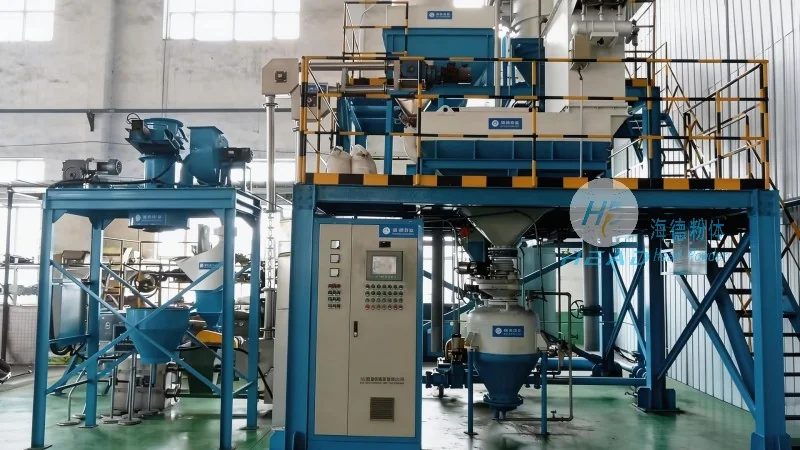
Automatic quantitative material handling systems consist of several interrelated components, each playing a critical role in the overall operation. The primary components include a material storage hopper, a feeding mechanism (such as a screw conveyor or vibratory feeder), a measurement device (e.g., load cell or volumetric sensor), a control unit (PLC or industrial computer), and a dispensing or discharge system. The material storage hopper holds the bulk material and feeds it to the feeding mechanism at a controlled rate. The feeding mechanism ensures a steady flow of material to the measurement device, which calculates the exact quantity being processed. The control unit processes the measurement data and sends signals to adjust the feeding rate or stop the flow as needed to achieve the target quantity. Finally, the dispensing system releases the measured material into the desired container or process line. Each component must be calibrated and maintained regularly to ensure the system operates within its specified accuracy range.
Applications and Industries Benefiting from Automatic Quantitative Material Handling
Automatic quantitative material handling systems find widespread application across multiple industries, where precision and consistency are paramount. In the pharmaceutical industry, these systems are used for the accurate dosing of active pharmaceutical ingredients (APIs) and excipients, ensuring that each tablet or capsule contains the exact amount of medication. In the chemical industry, they are employed for mixing and dispensing chemicals in precise ratios, which is critical for product quality and safety. The food and beverage industry also relies on these systems for packaging, such as measuring and dispensing ingredients for baked goods, beverages, or snacks. Additionally, in the manufacturing sector, automatic quantitative material handling is used for handling raw materials like powders, granules, or pellets, ensuring that each batch of product is consistent in composition and quality. The versatility of these systems makes them indispensable in any process where material accuracy directly impacts product performance and regulatory compliance.
Advantages of Implementing Automatic Quantitative Material Handling Systems
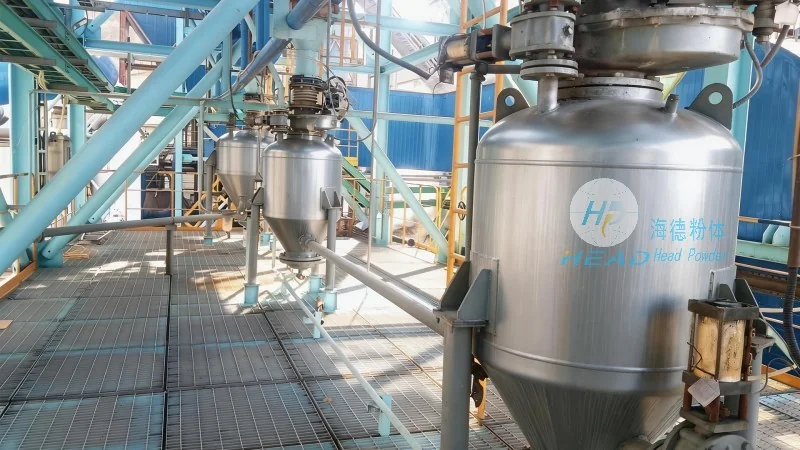
Adopting automatic quantitative material handling systems offers numerous advantages over traditional manual or semi-automated methods. First and foremost, these systems significantly improve measurement accuracy and consistency. By eliminating human error, they reduce the risk of over or under-dosing, which can lead to product defects or regulatory issues. Second, they enhance operational efficiency by automating the material handling process, reducing the time and labor required for manual measurement and dispensing. This leads to faster production cycles and increased throughput. Third, the systems improve safety in the workplace by minimizing the need for workers to handle heavy or hazardous materials manually. Fourth, they provide real-time data and monitoring capabilities, allowing operators to track material usage, detect anomalies, and make adjustments promptly. This data-driven approach helps in optimizing processes and reducing waste. Finally, the scalability and adaptability of these systems enable manufacturers to expand their operations or adapt to new product lines without significant modifications, providing long-term value and flexibility.
Conclusion: The Role of Automatic Quantitative Material Handling in Modern Manufacturing
In conclusion, automatic quantitative material handling systems represent a cornerstone of modern industrial automation, offering precision, efficiency, and reliability that are essential for meeting the demands of today's competitive markets. By integrating advanced measurement technology with robust mechanical design, these systems ensure that materials are handled in exact quantities, supporting quality control, regulatory compliance, and operational productivity. As industries continue to evolve and demand higher standards of precision, the importance of such systems will only grow. For companies looking to enhance their material handling processes, investing in an automatic quantitative material handling system is a strategic decision that can lead to improved product quality, reduced costs, and a competitive edge in the marketplace. With the expertise and experience of companies like Shandong HeadPowder Engineering Co., Ltd., based in China, manufacturers can access tailored solutions that meet their specific needs and drive their operations forward.




