

What is an Automatic Weighing Powder Pneumatic Conveying Machine? What Are Its Design Principles?
For industries dealing with bulk powders, efficient and accurate material handling is crucial. The automatic weighing powder pneumatic conveying machine, also known as a pneumatic conveyor with integrated weighing system, plays a vital role in ensuring precise material transfer and control. This equipment combines the capabilities of pneumatic conveying with advanced weighing technology, enabling seamless and automated powder handling processes. In this article, we will explore the core functions of such machines and delve into their design principles, providing a comprehensive understanding for professionals in the field.
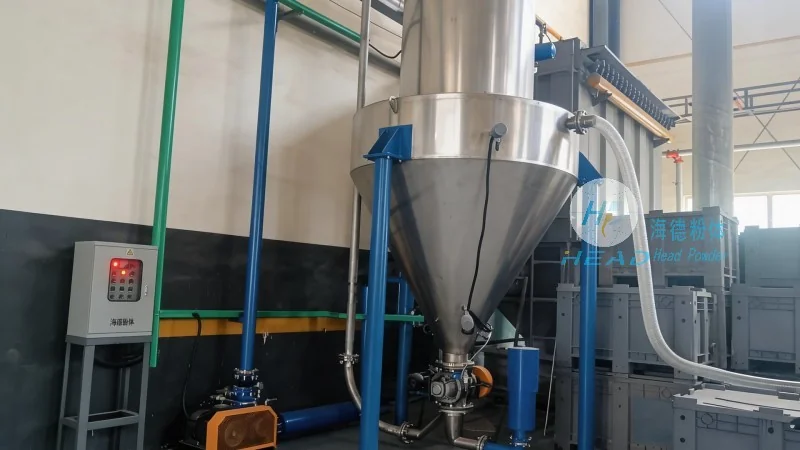
About Shandong HeadPowder Engineering Co., Ltd.
HeadPowder, a leading manufacturer in the powder handling industry, specializes in the design, development, and production of advanced pneumatic conveying systems. With a strong commitment to quality and innovation, the company has established itself as a trusted partner for businesses seeking reliable solutions for powder processing. HeadPowder's products are engineered to meet the stringent requirements of various industries, including pharmaceuticals, food, chemicals, and more. The company's headquarters is located in Shandong, China, where a team of experienced engineers and technicians work tirelessly to deliver cutting-edge solutions tailored to customer needs.
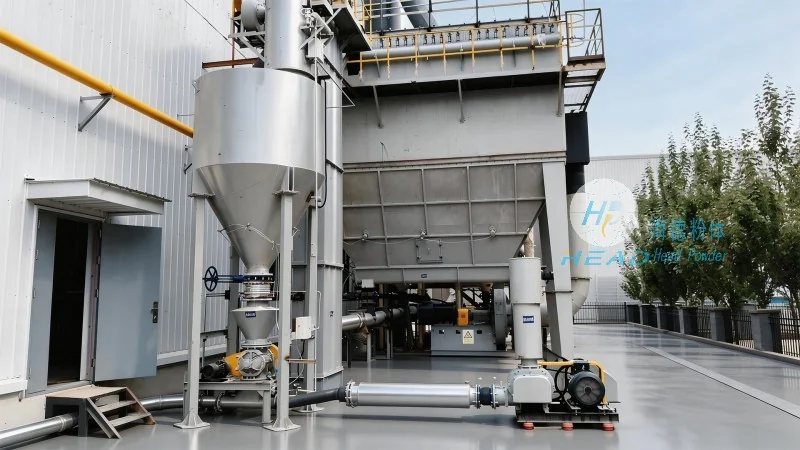
Key Features and Components of the Automatic Weighing Powder Pneumatic Conveying Machine
The automatic weighing powder pneumatic conveying machine is a sophisticated system designed to handle, transport, and weigh bulk powders with high precision. At its core, the machine utilizes a pneumatic conveying principle, where compressed air is used to move powder particles through a network of pipes and ducts. The system typically includes several key components: a hopper for material storage, a feeding mechanism to control the flow of powder, a conveying line with appropriate valves and fittings, and a weighing hopper or scale integrated into the system. The weighing component is crucial as it allows for real-time monitoring and control of the material quantity being transferred. This integration ensures that the process is not only efficient but also highly accurate, minimizing errors and waste. The machine may also feature automated controls, such as PLC (Programmable Logic Controller) systems, which enable users to set specific weight targets and adjust the conveying speed accordingly. This level of automation enhances operational efficiency and reduces the need for manual intervention, making it suitable for high-volume production environments.
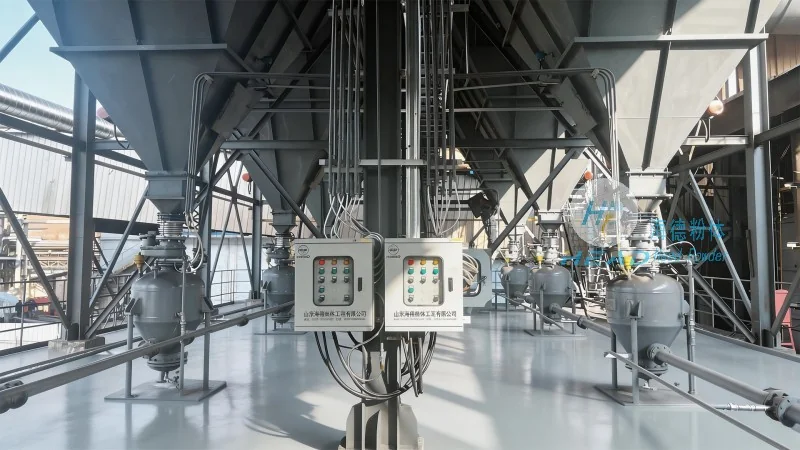
Design Principles and Operational Mechanisms
The design of an automatic weighing powder pneumatic conveying machine is based on several fundamental principles to ensure optimal performance and reliability. The first principle is the pneumatic conveying principle itself, which relies on the movement of powder particles suspended in a gas stream. The machine uses a combination of positive and negative pressure to transport the material, depending on the specific application and the characteristics of the powder. For example, in positive pressure systems, compressed air is introduced into the conveying line, pushing the powder forward. In negative pressure systems, a vacuum is created at the receiving end, drawing the powder through the line. The choice between these systems depends on factors such as the powder's dustiness, abrasiveness, and the distance to be conveyed. Another critical design principle is the integration of the weighing system. The weighing hopper, often equipped with load cells, provides real-time weight data that is processed by the control system. This data is then used to adjust the feeding rate or the conveying speed to maintain the desired weight. The control system, typically a PLC, continuously monitors the weight and adjusts the operation of the feeder and the air compressor to achieve the set target. This closed-loop control ensures that the material is conveyed at a consistent rate, preventing overfilling or underfilling. Additionally, the machine is designed with safety features, such as pressure relief valves and emergency stop buttons, to protect operators and equipment from potential hazards. The materials used in the construction of the machine, including stainless steel and corrosion-resistant components, ensure durability and resistance to the harsh conditions often encountered in powder handling applications. These design elements collectively contribute to the machine's ability to handle a wide range of powders while maintaining high accuracy and reliability.