For cement manufacturers, the efficient and reliable transport of raw meal is a critical factor in ensuring production continuity and quality control. The choice of transport method directly impacts operational costs, energy consumption, and overall plant performance. This article provides a detailed comparison of common cement raw meal transport methods, highlighting their advantages, disadvantages, and applications, with a focus on the expertise of Shandong HeadPowder Engineering Co., Ltd. (headpowder), a leading provider of industrial material handling solutions.
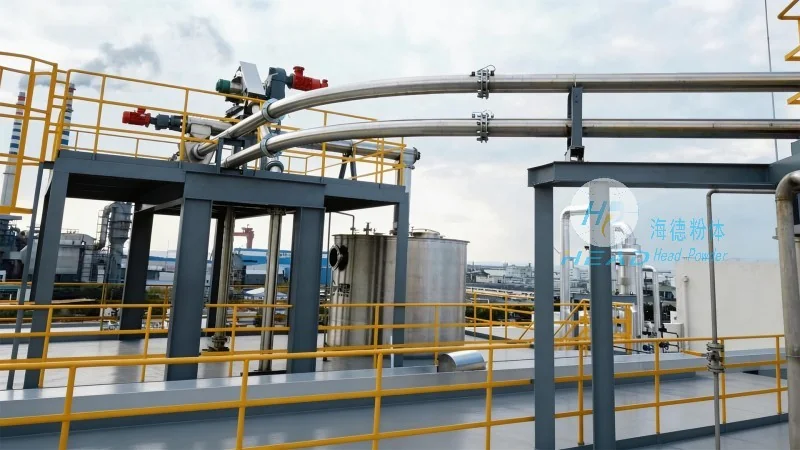
Introduction to Cement Raw Meal Transport
Cement raw meal, composed of limestone, clay, and other raw materials, is a fine powder that requires specialized handling due to its particle size and moisture content. The transport process must maintain the integrity of the raw meal, prevent segregation, and minimize dust generation. Various methods have been developed to address these challenges, each with distinct characteristics suitable for different production scales and environmental requirements.
1. Pipe Conveyor Systems
Pipe conveyors, also known as tube conveyors, are a popular choice for transporting cement raw meal over long distances. This method involves conveying material within a flexible or rigid tube, which can be bent to follow the layout of the plant. The primary advantage of pipe conveyors is their ability to handle high volumes of material with minimal space requirements, as the tube can be routed around obstacles. Additionally, they offer excellent dust containment, reducing environmental impact and improving workplace safety. However, pipe conveyors require precise alignment and maintenance to prevent blockages or wear on the tube interior. The investment cost is relatively high, but the long-term operational efficiency and reduced maintenance compared to traditional belt conveyors make them a cost-effective solution for large-scale operations.
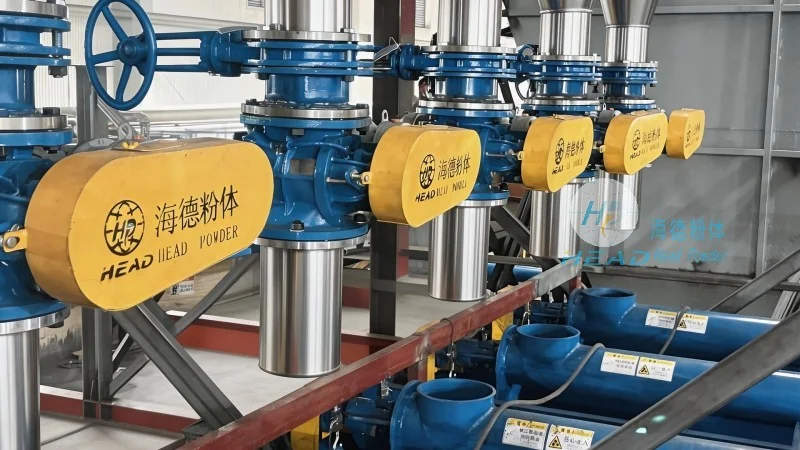
2. Screw Conveyors
Screw conveyors, or auger conveyors, are another common method for transporting cement raw meal, particularly in horizontal or slightly inclined applications. These systems use a rotating screw (auger) to move material along a trough. Screw conveyors are simple in design, easy to install, and suitable for moderate material volumes. They are effective for handling dry, free-flowing materials and can be used in enclosed or open configurations. The main drawback is their limited capacity compared to other methods, and they are not ideal for long-distance transport due to the high friction and energy consumption. Additionally, screw conveyors may cause material degradation if the screw speed is too high or the material is abrasive. Despite these limitations, screw conveyors remain a reliable option for short-distance transport within a plant, especially for materials with low moisture content.
3. Pneumatic Conveying Systems
Pneumatic conveying systems use air or other gases to transport cement raw meal through a pipeline. This method can be classified as either pressure or vacuum-based, depending on the system design. Pressure systems push material through the pipeline using compressed air, while vacuum systems draw material from the source using a vacuum pump. Pneumatic conveying offers high flexibility, as the pipeline can be easily reconfigured to accommodate changes in plant layout. It is also effective for handling fine powders and preventing material segregation. However, the energy consumption is relatively high, as a significant amount of air is required to move the material. Additionally, the system is susceptible to blockages if the material is too wet or contains large particles. Proper filtration and maintenance are essential to ensure smooth operation. Pneumatic conveying is particularly suitable for applications requiring dust-free transport or when the raw meal needs to be mixed with other additives before processing.
4. Belt Conveyors
Belt conveyors are the most widely used method for transporting bulk materials, including cement raw meal. They consist of a continuous belt that moves over rollers or idlers, carrying the material from the source to the destination. Belt conveyors are capable of handling large volumes of material over long distances, making them suitable for both primary and secondary transport within a cement plant. The main advantages include high capacity, low energy consumption per ton-mile, and simplicity of operation. However, belt conveyors require significant space for installation and may generate dust if not properly enclosed. The risk of belt slip or breakage is also a concern, especially when transporting abrasive materials like cement raw meal. Regular maintenance, such as tension adjustment and belt replacement, is necessary to ensure reliable performance. Despite these challenges, belt conveyors remain a cost-effective and efficient solution for many cement manufacturers, particularly when combined with dust control measures.
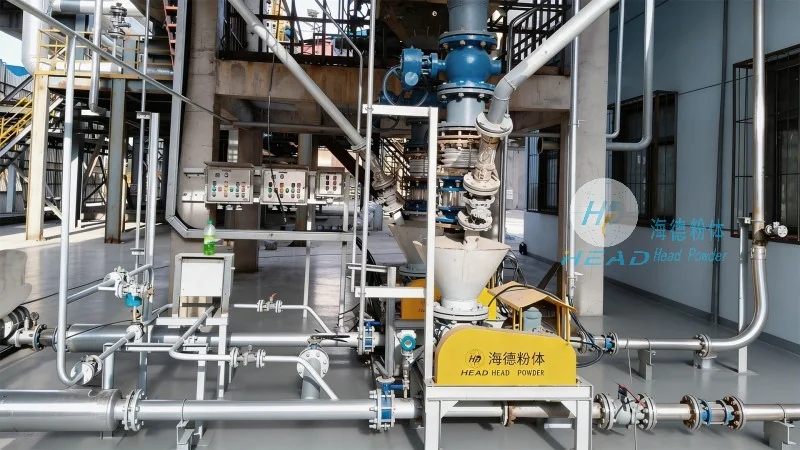
5. Comparison and Selection Criteria
When selecting a cement raw meal transport method, several factors must be considered to ensure the optimal choice for a specific application. The key criteria include material characteristics (e.g., particle size, moisture content, abrasiveness), transport distance, required capacity, space availability, and environmental regulations. For example, pipe conveyors are ideal for long-distance, high-volume transport with strict dust control requirements, while screw conveyors are better suited for short-distance, moderate-volume applications. Pneumatic conveying offers flexibility and dust-free transport but at a higher energy cost. Belt conveyors provide high capacity and low energy per ton-mile but require more space and maintenance. Shandong HeadPowder Engineering Co., Ltd. specializes in designing and manufacturing customized material handling systems that address these factors, ensuring that clients receive the most suitable solution for their specific needs.
Conclusion
In conclusion, the choice of cement raw meal transport method significantly impacts the efficiency and sustainability of cement production. Each method has its unique advantages and limitations, and the optimal selection depends on the specific requirements of the plant. By understanding the characteristics of different transport systems and consulting with experts like Shandong HeadPowder Engineering Co., Ltd., cement manufacturers can make informed decisions that enhance operational performance, reduce costs, and meet environmental standards. The company's expertise in designing and implementing tailored material handling solutions ensures that clients receive reliable and efficient transport systems for their cement raw meal, supporting their long-term production goals.




