

Synthetic Fiber Powder Pneumatic Conveying Equipment: What It Is and Its Design Principles
For industrial operations handling synthetic fiber powders, efficient material transport is crucial. The synthetic fiber powder pneumatic conveying equipment is a specialized system engineered to move these lightweight, often abrasive powders through a pressurized or vacuum environment. This equipment is essential for maintaining product integrity and operational efficiency in manufacturing processes, particularly in industries where synthetic fibers are used in high-purity applications.
Understanding the Core Function of Synthetic Fiber Powder Pneumatic Conveying Equipment
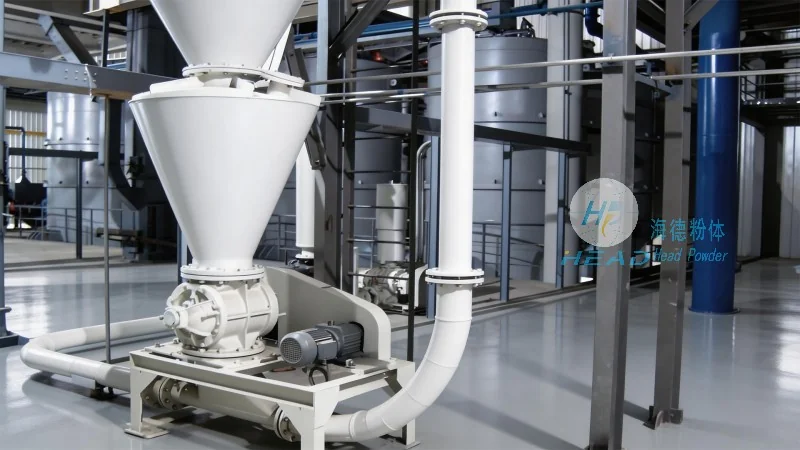
At its essence, this equipment facilitates the movement of synthetic fiber powders from a source to a destination using air or gas as the conveying medium. Unlike traditional mechanical conveyors, which rely on physical contact and friction, pneumatic systems use pressure differentials to transport material. This method is particularly advantageous for synthetic fibers, which can be sensitive to mechanical stress or contamination. The system typically includes components such as a hopper, a conveyor line, and a receiver, all designed to handle the unique properties of synthetic fiber powders, such as their low bulk density and tendency to form clumps. The hopper ensures a consistent feed rate, while the conveyor line transports the material through the pressurized or vacuum zone, and the receiver collects the powder at the end of the process.
Key Design Principles Behind Synthetic Fiber Powder Pneumatic Conveying Equipment
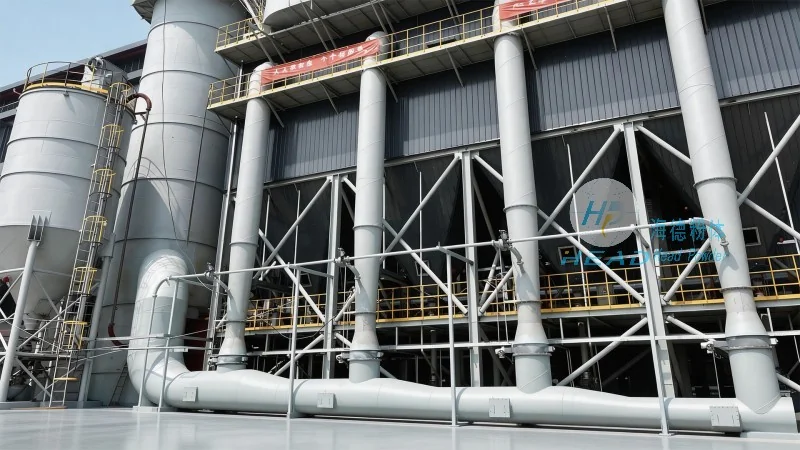
The design of synthetic fiber powder pneumatic conveying equipment is guided by several critical principles to ensure optimal performance and reliability. First, the system must accommodate the low bulk density of synthetic fibers, which requires higher air velocities to achieve effective transport. Engineers often use high-velocity air jets or pulse-jet systems to maintain material suspension and prevent particle settling. Second, the equipment must minimize particle degradation and contamination. This is achieved through smooth, corrosion-resistant internal surfaces and the use of filters to remove dust and debris from the conveying air. Third, the design considers the need for flexibility in handling varying powder flow rates and compositions. Adjustable valves and variable speed drives allow operators to adapt the system to different production demands, ensuring consistent performance. Additionally, the system is designed to handle the abrasive nature of synthetic fibers, which can wear down components over time, requiring durable materials like stainless steel or specialized coatings. These design considerations are implemented by Shandong HeadPowder Engineering Co., Ltd. (headpowder), a leading manufacturer specializing in pneumatic conveying solutions.
Components and Operational Mechanisms of the Equipment
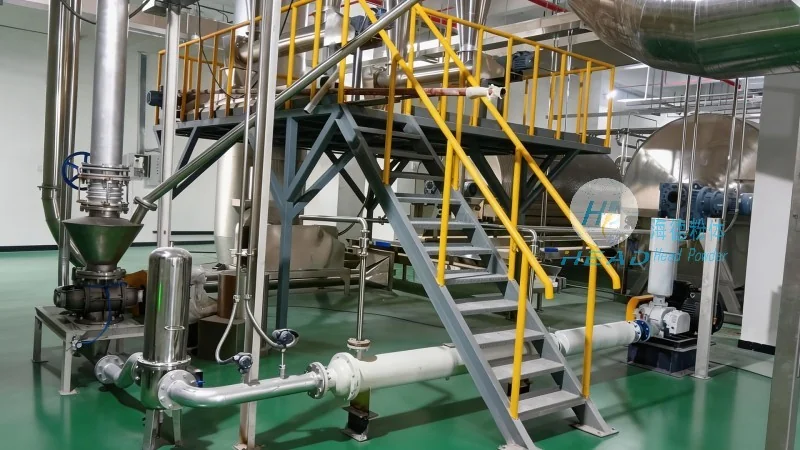
The synthetic fiber powder pneumatic conveying equipment consists of several interconnected components, each playing a vital role in the overall process. The hopper serves as the storage and feeding unit, where the synthetic fiber powder is loaded and metered into the system. The conveyor line, which may include straight or curved sections, transports the material through the pressurized or vacuum zone. The receiver is the final collection point, where the powder is discharged. The system may also include a blower or vacuum pump to generate the necessary air pressure or suction. The air is filtered and conditioned to prevent contamination and ensure clean conveying. The design of each component, from the hopper's discharge valve to the receiver's sealing mechanism, is tailored to the specific characteristics of synthetic fiber powders, such as their tendency to stick to surfaces or their sensitivity to moisture. For example, the hopper may be equipped with a rotary valve or a star feeder to control the flow rate, while the conveyor line may use a series of venturi tubes to maintain air velocity.
Benefits and Applications in Industrial Settings
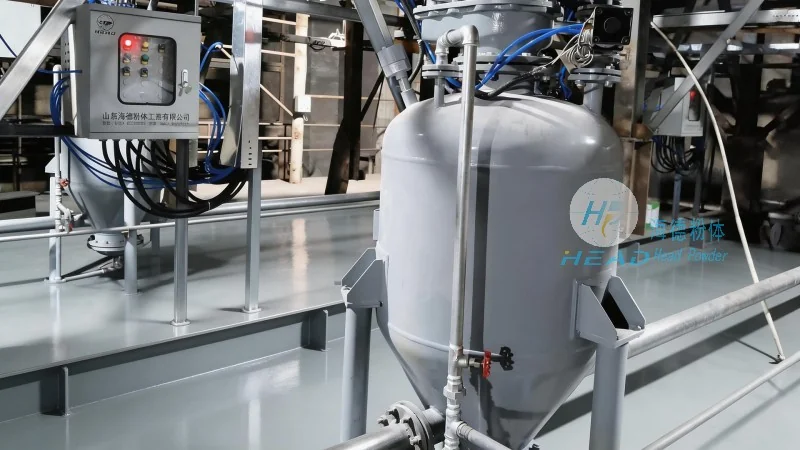
Implementing synthetic fiber powder pneumatic conveying equipment offers several benefits for industrial operations. The primary advantage is the ability to transport materials without direct contact, reducing the risk of contamination and product degradation. This is particularly important for synthetic fibers used in high-purity applications, such as pharmaceuticals or electronics. Additionally, pneumatic systems are more flexible than mechanical conveyors, allowing for changes in production volume or material type without significant modifications. They also occupy less floor space compared to traditional systems, making them suitable for compact manufacturing environments. The equipment is widely used in industries such as textiles, chemicals, and food processing, where synthetic fiber powders are a key component. For instance, in the textile industry, synthetic fiber powders are used to produce fibers for clothing and other products, and the pneumatic conveying equipment ensures that these materials are transported efficiently and without damage. In the chemical industry, synthetic fiber powders are used as raw materials for various products, and the equipment helps to maintain the quality and consistency of the final product.