

What is a Tri-Metal Material Powder Pneumatic Conveying Equipment? What are its Design Principles?
Tri-metal material powder pneumatic conveying equipment is a specialized industrial device designed for the efficient transport of fine powders, particularly those used in advanced material applications such as lithium-ion battery cathode materials. This equipment plays a crucial role in modern manufacturing processes, ensuring reliable and safe material handling for high-value powders. The design of such equipment is tailored to address the unique challenges of handling tri-metal powders, which often require precise control over particle flow, pressure, and temperature to maintain product integrity. Key components of the system include a material feeder, conveying pipeline, air compressor, and control unit, all engineered to work in harmony to deliver consistent performance.
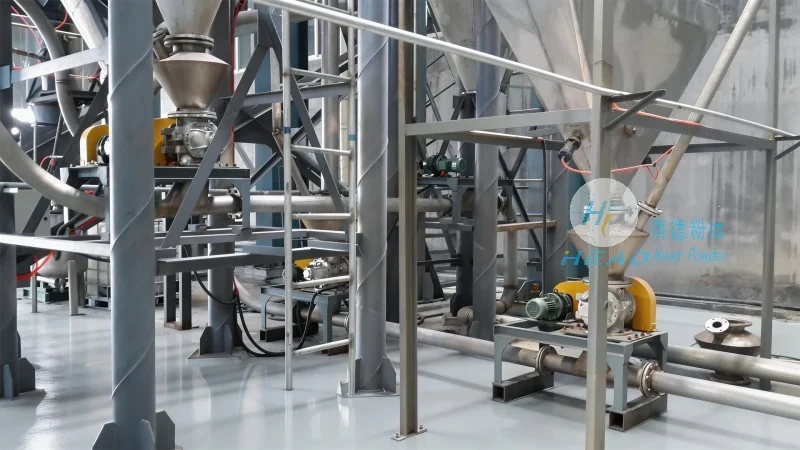
Understanding the Core Function of Pneumatic Conveying Systems
Pneumatic conveying systems utilize air or other gases to transport bulk materials through a pipeline network. For tri-metal material powders, which are typically fine and abrasive, the system must be engineered to minimize particle degradation and ensure consistent flow rates. The equipment operates by creating a pressure differential between the material source and the destination, using either positive pressure (blowing air into the system) or negative pressure (suction from the system). This method offers advantages over traditional mechanical conveying, such as reduced contamination, lower maintenance costs, and the ability to handle materials in a closed system, which is critical for maintaining the purity of sensitive powders. The system may also include features like pulse jets or rotary valves to prevent blockages and ensure smooth operation, further enhancing its reliability.
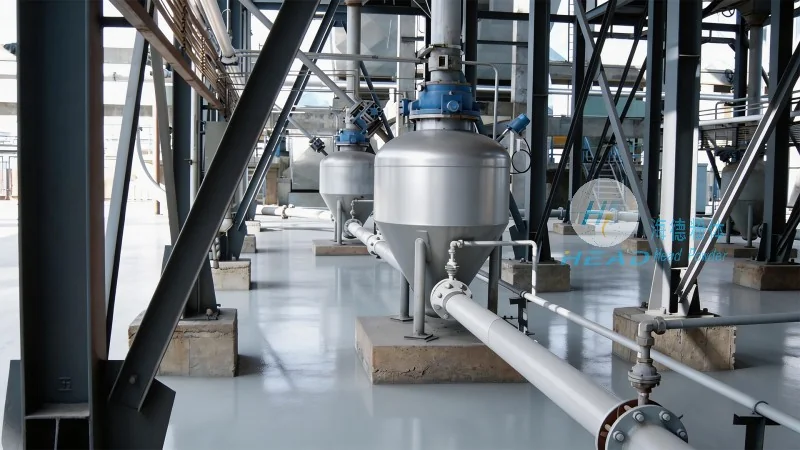
Key Design Principles for Tri-Metal Powder Handling
The design of tri-metal material powder pneumatic conveying equipment incorporates several critical principles to ensure optimal performance. First, the system must be constructed from materials that are resistant to corrosion and wear, as tri-metal powders often contain components like nickel, cobalt, and manganese that can be chemically aggressive. Stainless steel or specialized alloys are commonly used for the conveying lines and components to prevent material degradation and contamination. Second, the equipment features precise control mechanisms, including variable speed drives and pressure sensors, to regulate the flow of both the powder and the conveying gas. This allows for adjustments based on the specific characteristics of the tri-metal powder, such as particle size, density, and moisture content. Third, the design includes features to prevent blockages and ensure smooth operation, such as pulse jets or rotary valves that maintain consistent air flow and prevent clogging in the pipeline. Additionally, the system may incorporate temperature control elements to manage the thermal properties of the powders, which are essential for maintaining their chemical stability during transport. These design elements collectively ensure that the equipment can handle tri-metal powders with the highest level of efficiency and safety.
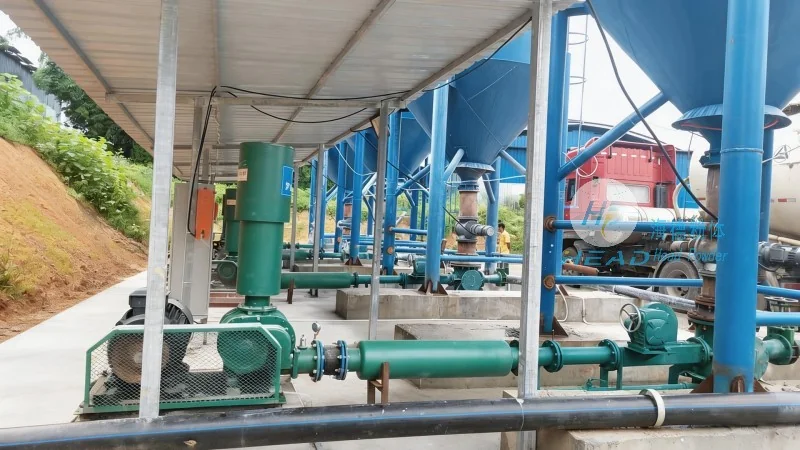
Applications in Advanced Material Manufacturing
Tri-metal material powder pneumatic conveying equipment is widely used in industries that rely on high-purity powders for advanced applications. A primary example is the lithium-ion battery industry, where cathode materials containing nickel, cobalt, and manganese are transported using these systems. The equipment ensures that the powders are delivered to production lines with minimal loss of quality, as the closed system prevents exposure to air and moisture, which could degrade the material's performance. Other applications include the production of catalysts, pigments, and specialty chemicals, where the consistent handling of fine powders is critical to maintaining product consistency and efficiency. The ability to handle these materials in a controlled environment also enhances safety, as the system reduces the risk of dust explosions and inhalation hazards associated with loose powder handling. In these applications, the equipment's ability to maintain material purity and flow consistency directly impacts the final product's quality and performance.