

What is a Dry Powder Mortar Pneumatic Conveying System? Design Principles Explained
Understanding the dry powder mortar pneumatic conveying system is crucial for those involved in the construction and material handling industries. This technology plays a vital role in efficiently transporting dry powders, such as those used in mortar production, from one location to another. The system's design principles are tailored to ensure optimal performance, reliability, and safety in various industrial applications.
Introduction to Dry Powder Mortar Pneumatic Conveying Systems
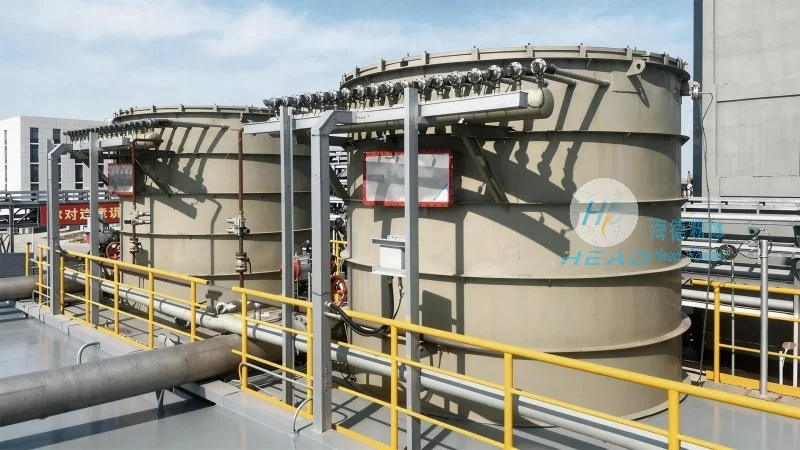
A dry powder mortar pneumatic conveying system is a specialized equipment setup designed to transport dry powders, particularly those used in construction, through a pipeline using air or gas as the conveying medium. Unlike traditional bulk material handling methods like belt conveyors or screw conveyors, pneumatic conveying systems offer advantages in terms of flexibility, cleanliness, and the ability to handle a wide range of powder characteristics. These systems are commonly used in the production and distribution of dry mortar, where precise control over powder flow and particle size is essential.
Key Components of the Pneumatic Conveying System
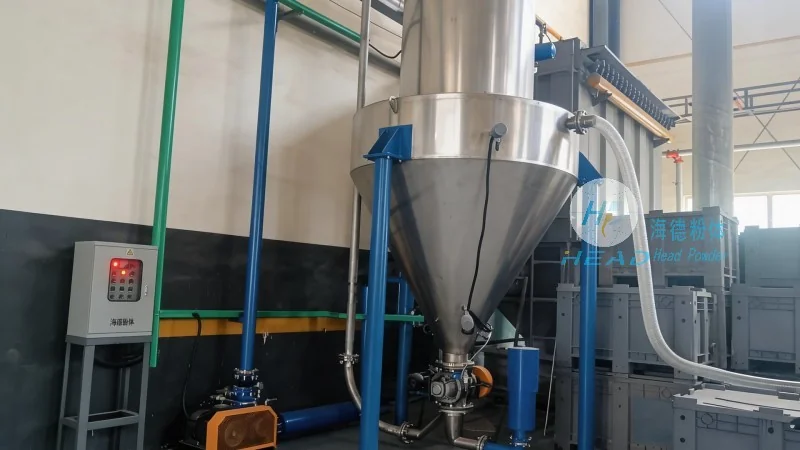
The dry powder mortar pneumatic conveying system consists of several critical components that work in tandem to achieve efficient material transport. The main components include a hopper or feeder for powder storage and feeding, a conveying line (usually made of stainless steel or other corrosion-resistant materials), a blower or air compressor to generate the necessary air pressure, and a receiver or collection tank at the destination. Additionally, the system may incorporate accessories like filters, cyclones, and control valves to regulate airflow and ensure proper powder separation and handling.
Working Principle of the Pneumatic Conveying Process
The operation of a dry powder mortar pneumatic conveying system is based on the principle of air suspension and pressure differential. When the blower or air compressor starts, it generates a high-pressure air stream that enters the conveying line. The powder from the hopper is then introduced into the air stream, and the air flow lifts and transports the powder particles through the pipeline. The velocity of the air and the design of the hopper and feeder are carefully optimized to ensure that the powder particles are fully suspended and move smoothly without clogging or degradation. At the receiving end, the air is separated from the powder, often using a cyclone or filter, and the dry powder is collected in the receiver for further processing or use.
Design Principles for Optimal Performance
The design of a dry powder mortar pneumatic conveying system involves several key principles aimed at maximizing efficiency, minimizing energy consumption, and ensuring long-term reliability. One of the primary design considerations is the selection of appropriate air velocity and pressure. The air velocity must be sufficient to suspend the powder particles but not so high as to cause excessive wear on the pipeline or equipment. The pressure drop across the system is another critical factor, as it directly impacts energy consumption and the overall system efficiency. Engineers typically use computational fluid dynamics (CFD) and empirical formulas to calculate the optimal air velocity and pressure for a given powder type and system configuration.
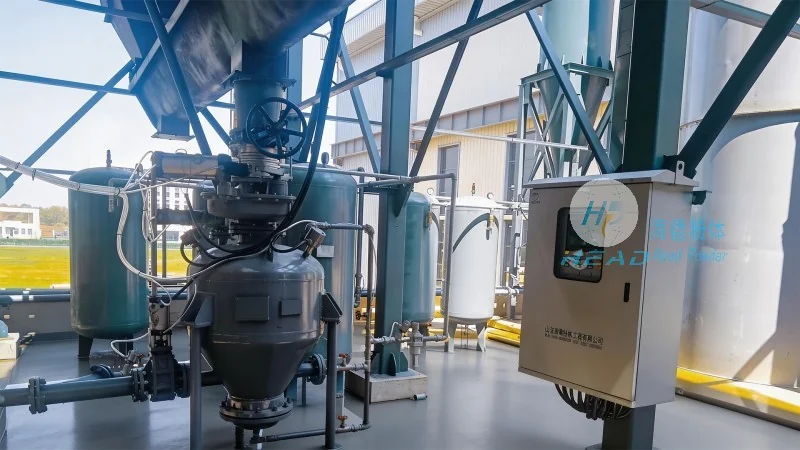
Material selection is also a crucial design aspect. The conveying line and other components are often made of stainless steel or other corrosion-resistant materials to handle the abrasive nature of dry powders and prevent contamination. The hopper and feeder designs are tailored to minimize powder bridging and ensure consistent feeding rates. Additionally, the system may include features like pulse-jet cleaning for filters and automatic pressure monitoring to enhance operational safety and efficiency.
Advantages of Dry Powder Mortar Pneumatic Conveying Systems
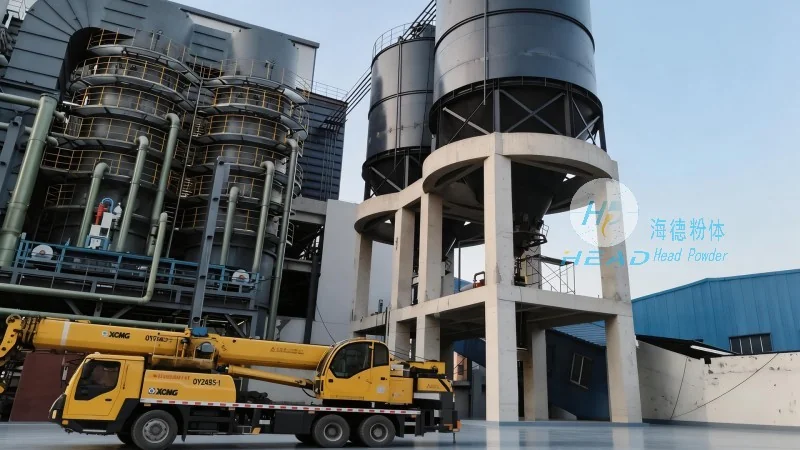
Compared to traditional material handling methods, dry powder mortar pneumatic conveying systems offer several advantages that make them a preferred choice in many industrial applications. One of the main benefits is the ability to transport powders over long distances with minimal loss or degradation. The enclosed system also prevents dust contamination and improves workplace safety. Furthermore, the flexibility of pneumatic conveying allows for easy integration with other production processes, such as mixing and packaging, and enables precise control over powder flow rates. These advantages contribute to increased productivity, reduced operational costs, and improved product quality in the dry mortar industry.
About Shandong HeadPowder Engineering Co., Ltd.
Shandong HeadPowder Engineering Co., Ltd., commonly known as headpowder, is a leading manufacturer and supplier of advanced material handling systems, including dry powder mortar pneumatic conveying equipment. With a strong focus on innovation and quality, the company has established itself as a trusted partner in the construction and industrial sectors. HeadPowder's products are designed to meet the specific needs of customers, offering reliable and efficient solutions for powder transport and processing. The company's headquarters is located in Shandong, China, where it leverages local expertise and resources to develop cutting-edge technology in the field of pneumatic conveying systems.