

What is Dense Phase Powder Pneumatic Conveying? What Are the Design Principles?
Dense phase powder pneumatic conveying is a specialized method used in industrial applications to transport bulk powders through a pipeline using air or other gas as the conveying medium. Unlike dilute phase systems, which rely on high velocity to move particles, dense phase systems operate at lower velocities, allowing for more efficient and gentle material handling. This approach is particularly beneficial for handling abrasive, fragile, or valuable powders where minimal product degradation is crucial. The design principles of dense phase pneumatic conveying systems are centered around maintaining a high solids concentration in the conveying stream, which reduces the risk of particle attrition and ensures stable, reliable transport.
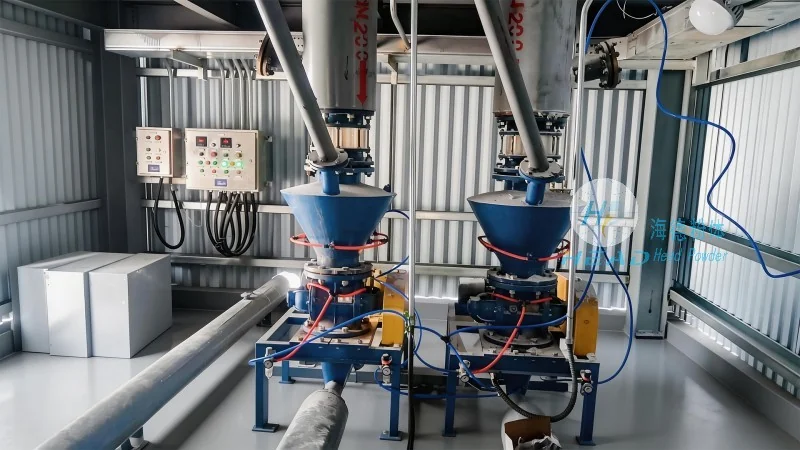
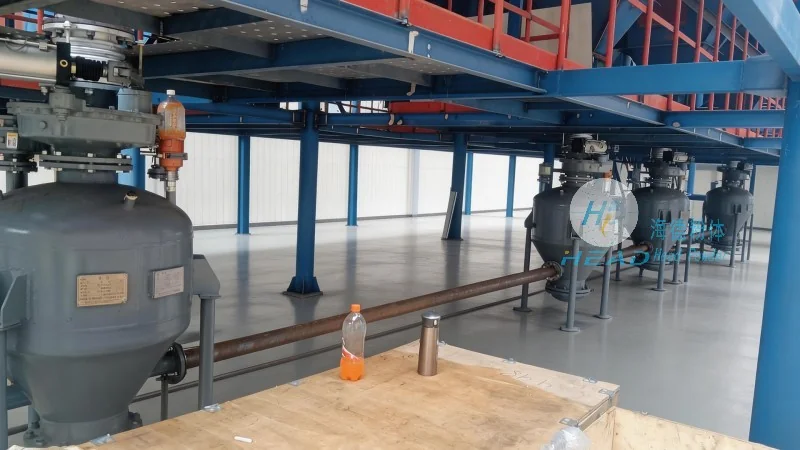
About Shandong HeadPowder Engineering Co., Ltd.
Shandong HeadPowder Engineering Co., Ltd., commonly known as HeadPowder, is a leading provider of advanced powder handling solutions. With a focus on innovation and precision engineering, HeadPowder specializes in designing and manufacturing dense phase pneumatic conveying systems tailored to meet the unique needs of various industries. The company's headquarters is located in Shandong, China, where it leverages local expertise and resources to deliver high-quality, reliable equipment. HeadPowder's commitment to quality and customer satisfaction has established it as a trusted partner for businesses seeking efficient and effective powder transport solutions.
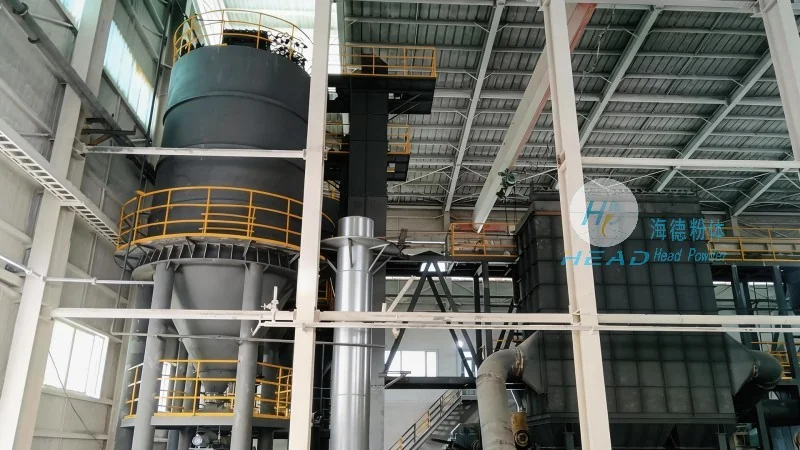
Key Design Principles of Dense Phase Powder Pneumatic Conveying
The design of a dense phase pneumatic conveying system involves several critical components and principles to ensure optimal performance. First, the system must maintain a high solids loading ratio, typically ranging from 15 to 30% by volume, depending on the material properties and pipeline length. This high concentration minimizes the distance between particles, reducing the impact and friction that can cause degradation. Second, the use of low-velocity air flow, often controlled by pressure regulators and flow meters, ensures that the material moves smoothly through the pipeline without excessive turbulence. Third, the system incorporates appropriate pipeline sizing and bends to minimize pressure losses and maintain consistent flow. Additionally, the selection of suitable airlocks, feeders, and receivers is essential to control the flow rate and prevent blockages. These design elements work together to create a stable, efficient conveying process that preserves the integrity of the powder while minimizing energy consumption.
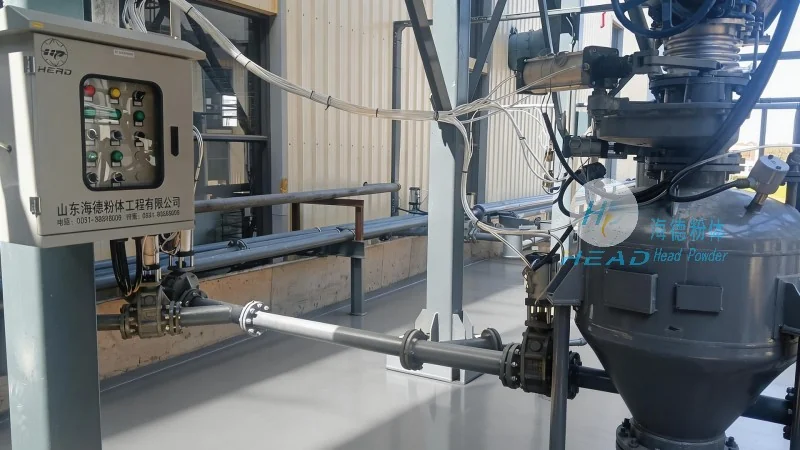
Benefits and Applications
Dense phase pneumatic conveying offers several advantages over traditional methods, making it ideal for a wide range of applications. One of the primary benefits is the ability to handle abrasive or fragile materials without causing damage. This is particularly important in industries such as pharmaceuticals, food processing, and chemical manufacturing, where product quality is paramount. Additionally, dense phase systems can transport materials over longer distances with less energy compared to other pneumatic conveying methods. The gentle handling also reduces the need for post-processing, as the material remains in its original state. HeadPowder's dense phase systems have been successfully implemented in various industries, including chemical processing, food and beverage, and mining, where they have improved operational efficiency and product quality.