Iron oxide, a vital industrial material used across multiple sectors including pigments, ceramics, and pharmaceuticals, often requires efficient and reliable transportation methods. Pneumatic conveying systems have become a preferred solution for moving iron oxide due to their ability to handle fine powders with minimal material loss and contamination. This article provides an overview of iron oxide pneumatic conveying equipment, focusing on its structural design and operational principles, with insights from Shandong HeadPowder Engineering Co., Ltd., a leading manufacturer in the field.
Overview of Iron Oxide Pneumatic Conveying Equipment
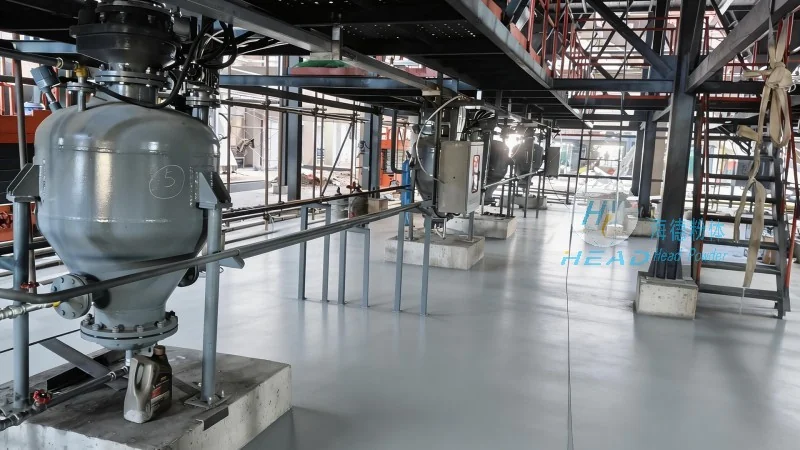
Iron oxide, characterized by its fine particle size and potential for dust generation, demands specialized handling during transportation. Pneumatic conveying equipment offers a non-contact method that reduces product degradation and improves process efficiency. The system typically comprises a material hopper, an air compressor or vacuum pump, a conveying line, a separation and filtration unit, and a receiver. These components work together to transport iron oxide particles through a pressurized or vacuum environment, ensuring smooth and controlled movement from the storage area to the processing unit.
Structural Components and Their Functions
The core structural components of an iron oxide pneumatic conveying system include: the material hopper, which stores and feeds the iron oxide; the air compressor or vacuum pump, which generates the necessary pressure or vacuum to drive the material; the conveying line, which transports the particles; the separation and filtration system, which removes excess air and fine particles to maintain air quality; and the receiver, which collects the conveyed iron oxide. Each component is designed to optimize performance and ensure the integrity of the iron oxide during transport.
Working Principles of Pneumatic Conveying
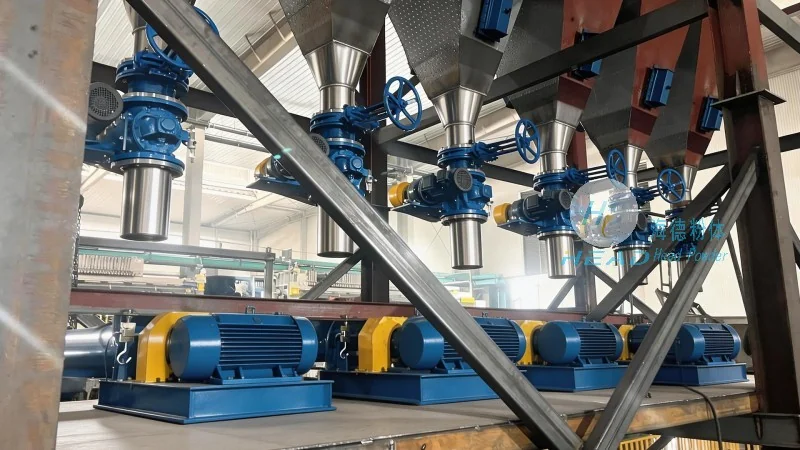
Pneumatic conveying operates on the fundamental principle of using air to transport solid particles. In a pressurized system, high-pressure air is forced through the conveying line, carrying iron oxide particles from the hopper to the receiver. The air velocity is carefully controlled to prevent particle segregation and ensure uniform flow, maintaining the integrity of the material. In a vacuum system, the air is drawn through the line, creating a negative pressure that pulls the iron oxide particles into the receiver. Both systems rely on the balance between air velocity and particle size to achieve efficient transport, minimizing the risk of clogging or material degradation.
Advantages of Pneumatic Conveying for Iron Oxide
Compared to traditional transportation methods like belt conveyors or bucket elevators, pneumatic conveying offers several key advantages for iron oxide handling. These include reduced material contamination, lower risk of dust explosion, improved hygiene, and the ability to handle fine powders without clogging. The system also allows for flexible layout designs, as the conveying line can be installed in various configurations to suit different plant layouts. Additionally, pneumatic conveying systems can be integrated with other processing equipment, enhancing overall production efficiency and reducing downtime.
Applications in Industrial Settings
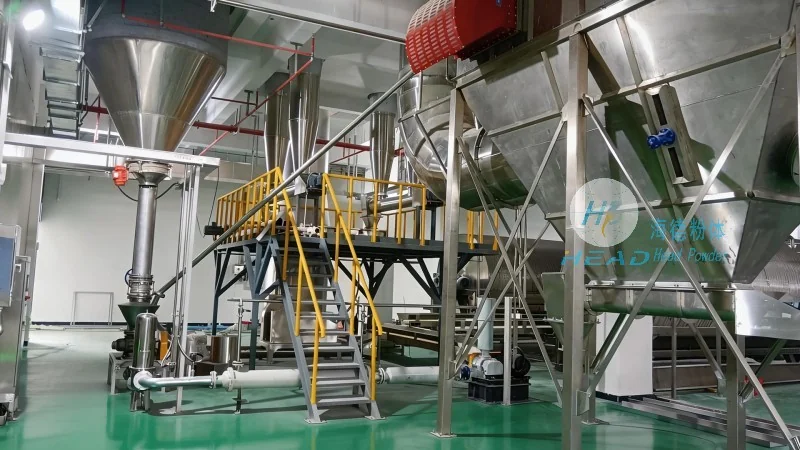
Iron oxide pneumatic conveying equipment is widely utilized in industries where fine powders need to be transported over short to medium distances. In the pigment industry, it is used to move iron oxide pigments from storage to mixing and coating lines, ensuring consistent color and quality. In the ceramics industry, it helps transport iron oxide raw materials to kilns and processing units, supporting the production of high-quality ceramic products. The equipment is also essential in pharmaceutical and food processing industries, where contamination control is paramount. Its ability to handle sensitive materials without damage makes it an ideal choice for these applications, meeting strict regulatory requirements.
Maintenance and Operational Considerations
To ensure the longevity and efficiency of iron oxide pneumatic conveying equipment, regular maintenance is critical. This includes checking the air compressor or vacuum pump for proper operation, inspecting the conveying line for blockages or wear, and cleaning the filtration system to maintain air quality. Proper operational procedures, such as gradual start-up and shutdown, help prevent system damage and ensure smooth operation. Additionally, monitoring the pressure and flow rates during operation allows operators to detect any issues early and take corrective actions, minimizing downtime and maximizing productivity.




