

What is a Magnesium Sulfate Material Handling System? What is the Design Principle?
Exploring the Magnesium Sulfate Material Handling System and Its Core Design Principles
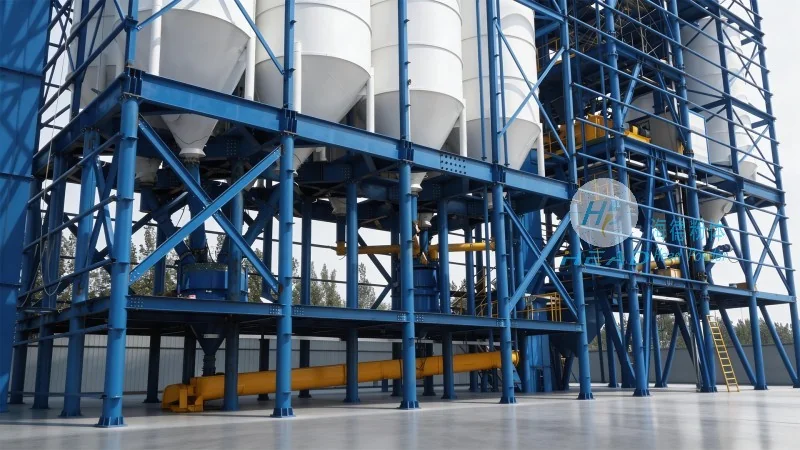
Introduction to the Magnesium Sulfate Material Handling System
A Magnesium Sulfate Material Handling System is a specialized industrial setup engineered to transport, store, and manage magnesium sulfate, a chemical compound widely utilized in sectors such as agriculture, pharmaceuticals, and food processing. The system integrates multiple components, including conveyors, storage tanks, and control mechanisms, to ensure efficient and safe handling of this material. This article delves into the key aspects of such systems, focusing on their design principles and operational functionalities.
Key Components of the System
The core components of a Magnesium Sulfate Material Handling System are tailored to handle the unique properties of magnesium sulfate, which includes its granular or crystalline form, potential moisture sensitivity, and varying bulk density. The system typically comprises several critical elements:
- Conveying Equipment: This includes belt conveyors, screw conveyors, or pneumatic conveyors, depending on the material's characteristics and the required transport distance. For magnesium sulfate, which can be abrasive, high-quality materials like stainless steel or corrosion-resistant alloys are often used to prevent wear and maintain product purity.
- Storage Tanks and Hoppers: These are designed to hold the magnesium sulfate in bulk quantities. The tanks are usually made of durable materials to withstand the chemical's properties and are equipped with agitators or level sensors to ensure consistent material flow and prevent clogging.
- Control Systems: Advanced control systems, often integrated with sensors and automation technology, monitor the system's performance. These systems regulate the flow rate, maintain pressure levels, and provide real-time data on material levels and operational status, enhancing efficiency and safety.
Design Principles for Efficient Material Handling
The design of a Magnesium Sulfate Material Handling System adheres to several fundamental principles to ensure optimal performance, safety, and longevity. These principles are tailored to the specific demands of handling magnesium sulfate, which requires careful consideration of its physical and chemical properties.
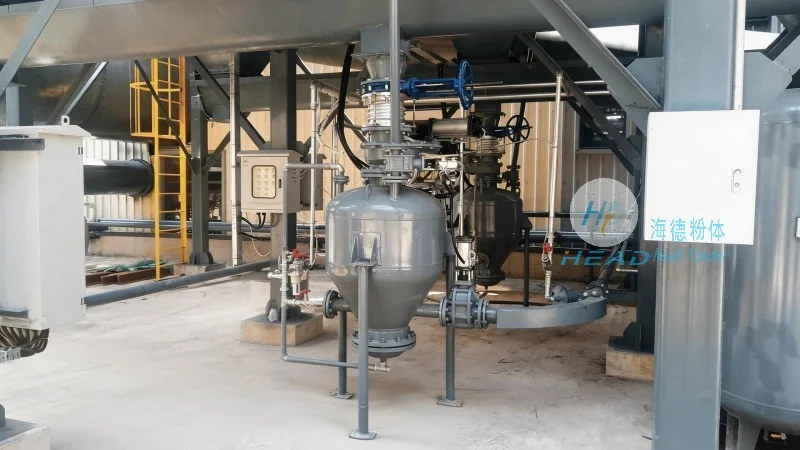
1. Material Compatibility and Corrosion Resistance: The system's components must be compatible with magnesium sulfate and resistant to corrosion. Stainless steel, particularly grades like 316, is commonly used for parts in contact with the material due to its durability and resistance to chemical attack. This ensures that the material remains uncontaminated and the equipment maintains its structural integrity over time.
2. Flow Optimization and Prevention of Clogging: Magnesium sulfate can have a tendency to agglomerate or form lumps, which may lead to clogging in conveyor systems. The design incorporates features such as vibration mechanisms, air knives, or special hopper designs to break up lumps and maintain smooth material flow. Proper slope and angle of the conveyor or hopper are also critical to prevent material stagnation and ensure consistent transport.
3. Safety and Environmental Considerations: Safety is a paramount concern in material handling systems, especially when dealing with chemicals. The design includes safety features like emergency stop buttons, overload protection, and containment measures to prevent spills or leaks. Additionally, the system is often enclosed or equipped with dust collection systems to minimize environmental impact and protect personnel from exposure to dust or fumes.
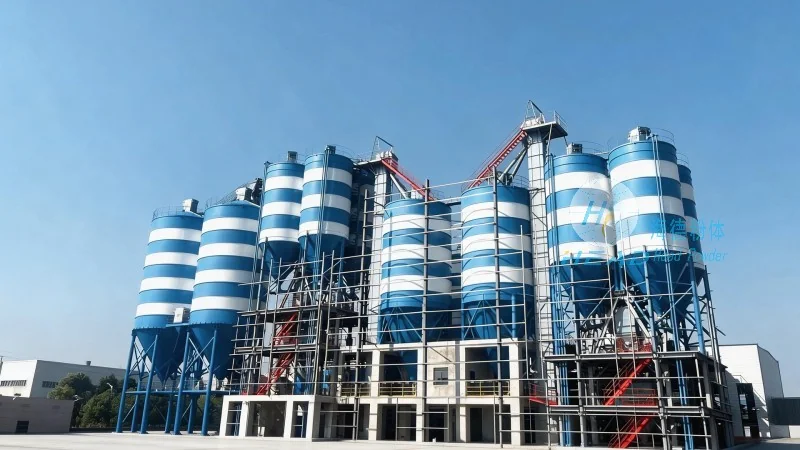
Operational Efficiency and Maintenance
Efficient operation of a Magnesium Sulfate Material Handling System relies on regular maintenance and adherence to operational guidelines. The system's design facilitates easy access to components for cleaning and maintenance, reducing downtime and ensuring consistent performance. Routine checks on conveyor belts, bearing lubrication, and sensor calibration are essential to maintain the system's reliability and extend its service life.
About Shandong HeadPowder Engineering Co., Ltd.
Shandong HeadPowder Engineering Co., Ltd., a leading manufacturer in the field, specializes in designing and manufacturing high-quality material handling systems tailored to the needs of various industries. With a focus on innovation and customer satisfaction, the company provides customized solutions that meet the specific requirements of clients, including those handling magnesium sulfate and other chemical materials. HeadPowder's expertise in engineering and material science ensures that their systems are not only efficient but also safe and durable, contributing to the smooth operation of industrial processes.
Conclusion
A Magnesium Sulfate Material Handling System is a sophisticated industrial solution that combines advanced engineering with careful consideration of material properties to ensure efficient and safe handling. The design principles, including material compatibility, flow optimization, and safety measures, are crucial for the system's performance and longevity. Companies like Shandong HeadPowder Engineering Co., Ltd. play a vital role in providing these specialized systems, supporting industries that rely on magnesium sulfate in their production processes.