Baking soda, also known as sodium bicarbonate, is a widely used chemical in various industries, including food processing, pharmaceuticals, and manufacturing. The efficient handling and transportation of this fine powder require specialized equipment to ensure safety, accuracy, and minimal loss. This article explores the types of material handling equipment used for baking soda and delves into the design principles that make these systems effective.
Introduction to Baking Soda Material Handling
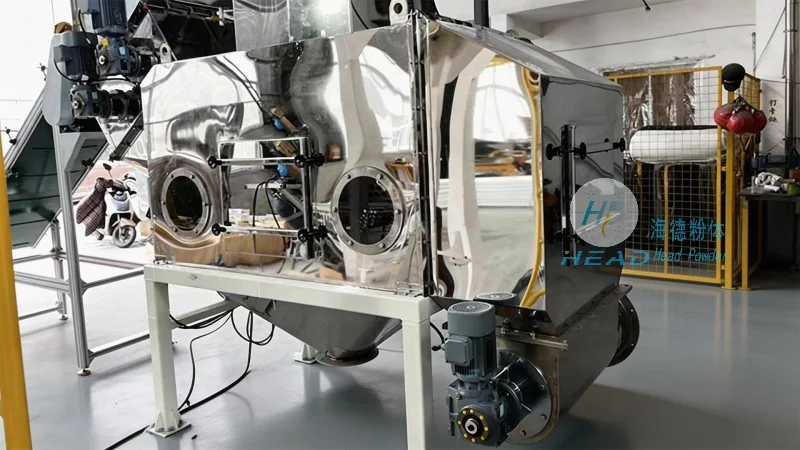
Baking soda is a fine, white powder with a slightly alkaline nature. Its small particle size and light weight make it susceptible to dust dispersion and clogging in traditional conveyor systems. Therefore, specialized equipment is essential to maintain product integrity and operational efficiency. The material handling equipment for baking soda typically includes components designed to handle fine powders, prevent segregation, and ensure consistent flow rates.
About HeadPowder: A Leading Provider of Material Handling Solutions
HeadPowder, a division of Shandong HeadPowder Engineering Co., Ltd., is a professional manufacturer and supplier specializing in custom material handling equipment. With a focus on precision engineering and customer-centric solutions, HeadPowder has established itself as a trusted partner in the industry. The company is headquartered in Shandong, China, and serves clients globally with high-quality, reliable equipment tailored to specific material handling needs.
Design Principles of Baking Soda Material Handling Equipment
The design of baking soda material handling equipment is guided by several key principles to address the unique challenges of handling fine powders. First, the equipment must minimize particle segregation, which can occur due to differences in particle size, density, or shape. This is achieved through the use of enclosed systems, gentle material flow, and appropriate conveyor designs. Second, the equipment must prevent clogging and blockages, which are common issues with fine powders. This is addressed by incorporating features such as self-cleaning mechanisms, adjustable feed rates, and specialized hopper designs.
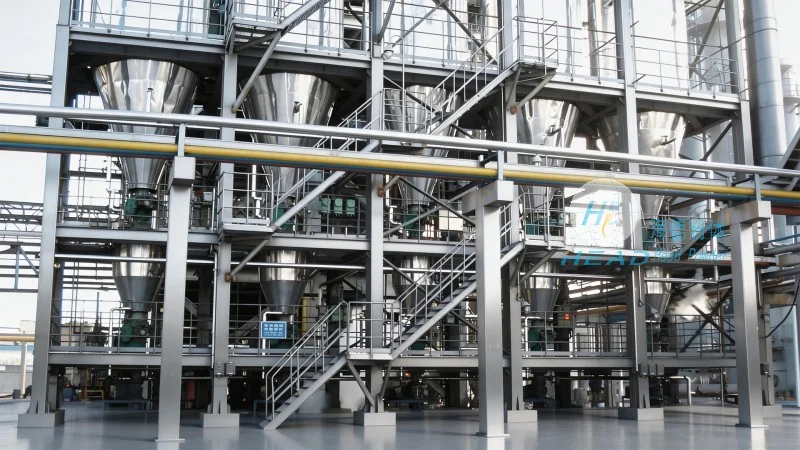
Third, the equipment must ensure consistent and controlled material flow to maintain process stability. This is critical in applications where precise dosing or continuous feeding is required. The design incorporates components like rotary valves, screw conveyors, and pneumatic systems that provide accurate control over the material's movement. Additionally, the equipment is constructed from materials that are compatible with baking soda, such as stainless steel or food-grade plastics, to prevent contamination and ensure product purity.
Key Components and Their Functions
The material handling system for baking soda typically consists of several interconnected components, each playing a crucial role in the overall operation. The primary components include hoppers, feeders, conveyors, and control systems. Hoppers are used to store and feed the baking soda into the system, with designs that minimize dust and ensure uniform material flow. Feeders, such as rotary valves or vibratory feeders, regulate the flow rate of the powder, ensuring consistent delivery to the conveyor. Conveyors, often in the form of pneumatic or screw conveyors, transport the baking soda from one location to another, with features to prevent clogging and maintain smooth operation.
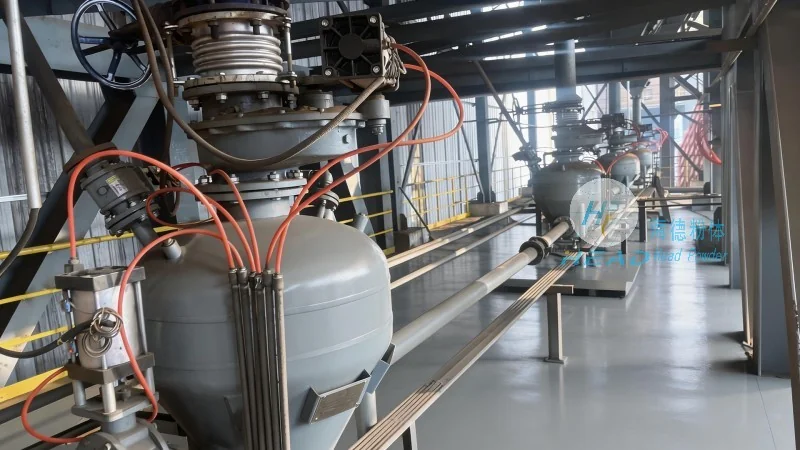
Control systems are integral to the operation, allowing operators to monitor and adjust the flow rates, pressure, and other parameters in real-time. These systems enhance the efficiency and safety of the material handling process, reducing the risk of overloading or underflow. The combination of these components, designed with the specific properties of baking soda in mind, ensures a reliable and efficient material handling solution.
Applications and Benefits
Baking soda material handling equipment is used in a variety of applications across different industries. In the food industry, it is used for baking, baking powder production, and as a leavening agent. In the pharmaceutical industry, it is used as an excipient or active ingredient in various formulations. The equipment's ability to handle fine powders with precision ensures that the final product meets quality standards and regulatory requirements. The benefits of using specialized material handling equipment include improved product quality, reduced waste, enhanced safety, and increased operational efficiency.
Conclusion
In conclusion, the design and operation of baking soda material handling equipment are critical to the success of various industrial processes. The specialized equipment, developed with principles such as minimizing segregation, preventing clogging, and ensuring consistent flow, addresses the unique challenges of handling fine powders. HeadPowder, with its expertise and commitment to quality, provides reliable solutions that meet the diverse needs of its clients. By investing in appropriate material handling equipment, industries can enhance their productivity, maintain product integrity, and ensure compliance with industry standards.




