HeadPowder, a leading engineering company based in Shandong, China, specializes in the design and implementation of advanced pneumatic conveying systems for various industrial applications. This article delves into the fundamental principles behind sawdust particle pneumatic conveying lines and highlights the key characteristics of their operational environments. By understanding these aspects, industries involved in wood processing, biomass energy, or material handling can make informed decisions about integrating efficient and reliable conveying solutions into their operations.
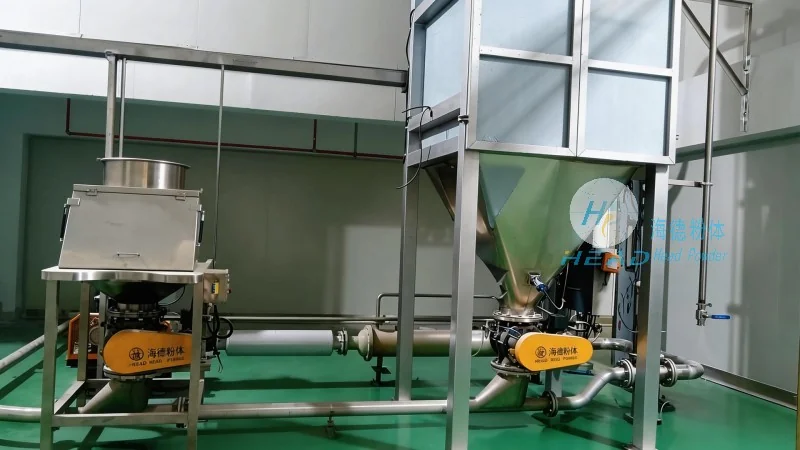
The Core Principle of Pneumatic Conveying for Sawdust Particles
The pneumatic conveying of sawdust particles relies on the movement of material through a pipeline using a pressurized or vacuum air stream. In a typical system, sawdust is fed into a hopper or feeder, where it is then drawn or pushed into the conveying line by the air flow. The principle involves creating a consistent flow of air that carries the particles, ensuring minimal loss and efficient transport. The system typically includes components such as a blower, filter, and control valves, all working in tandem to maintain optimal pressure and flow rates. The choice between positive pressure and negative pressure systems depends on the specific application, with positive pressure being more common for long-distance or high-capacity transport due to its ability to handle larger volumes and longer distances effectively.
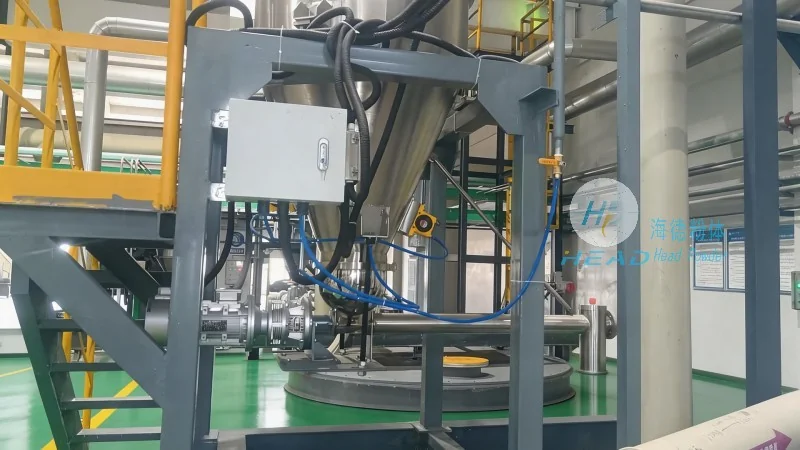
Key Working Scene Characteristics of Sawdust Pneumatic Conveying Lines
Operational environments for sawdust particle pneumatic conveying lines exhibit distinct characteristics that influence system design and performance. One primary factor is the material's properties, such as particle size, moisture content, and bulk density, which directly affect the air velocity required for efficient transport. Larger or more irregularly shaped particles may necessitate higher air speeds to prevent blockages or uneven flow. Additionally, the system's layout, including the number of bends, vertical lifts, and horizontal runs, impacts the overall pressure drop and energy consumption. For example, a system with multiple vertical lifts may require additional booster fans to maintain sufficient pressure, while horizontal sections may use larger diameter pipes to reduce friction losses. Environmental considerations also play a role, as sawdust is often a fine, dusty material that can generate significant airborne particles. Therefore, the system must incorporate effective filtration and dust collection measures to comply with environmental regulations and ensure worker safety.
Applications and Industry Integration
Sawdust particle pneumatic conveying lines are widely used in industries such as wood processing, biomass energy production, and furniture manufacturing. In wood processing facilities, these systems efficiently transport sawdust from sawmills to storage silos or processing units, reducing manual handling and improving operational efficiency. For biomass energy plants, the conveying lines deliver sawdust to boilers or combustion chambers, ensuring a steady supply of fuel for energy generation. The flexibility of pneumatic conveying allows for integration into existing production lines, minimizing downtime and adapting to varying production rates. HeadPowder's expertise in customizing these systems ensures that clients receive solutions tailored to their specific operational needs, whether for short or long-term transport requirements.
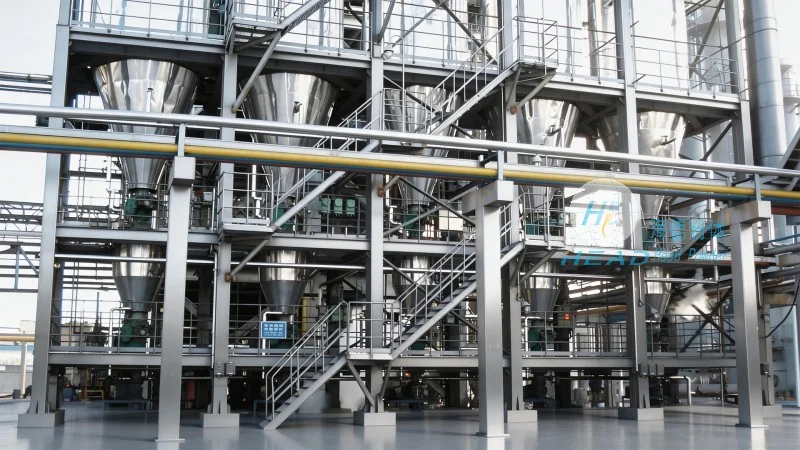
Advantages and Considerations in Operational Scenarios
Implementing sawdust particle pneumatic conveying lines offers several advantages, including high efficiency, reduced labor costs, and improved material handling safety. Unlike traditional methods such as belt conveyors or bucket elevators, pneumatic systems can transport materials through complex layouts without the need for multiple components or extensive space. However, operational considerations must be carefully evaluated to maximize performance. For instance, the system's capacity is directly related to the air flow rate and particle characteristics, and any changes in material properties or production rates may require adjustments to the system's settings. Regular maintenance, including cleaning filters and checking blower performance, is essential to prevent system downtime and maintain optimal efficiency. Additionally, the system's energy consumption should be considered, as high-pressure systems may require more power, although the overall cost-effectiveness often outweighs initial energy investments due to reduced labor and material loss.




