Gypsum sand material handling equipment is a specialized system designed to transport and manage gypsum sand, a key raw material widely used in construction, industrial applications, and various manufacturing processes. This equipment plays a crucial role in optimizing material flow, enhancing operational efficiency, and ensuring safety in handling gypsum sand, which is known for its fine texture and varying moisture content. The design of such equipment must consider the unique properties of gypsum sand, including its particle size, density, and potential for dust generation, to provide reliable and effective material handling solutions.
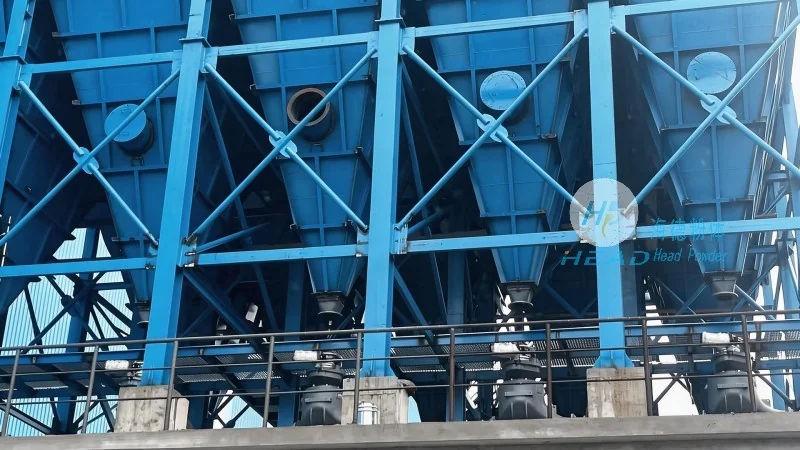
About Shandong HeadPowder Engineering Co., Ltd.
Headpowder, the manufacturer behind these advanced material handling solutions, is a leading company based in Shandong, China. With a strong focus on engineering excellence and customer-centric solutions, Headpowder specializes in the design, manufacturing, and supply of high-quality material handling equipment tailored to the needs of industries dealing with gypsum sand and similar materials. The company’s commitment to innovation and quality ensures that its products meet the highest standards of performance, durability, and safety, making them a trusted choice for businesses seeking reliable equipment for their gypsum sand handling operations.
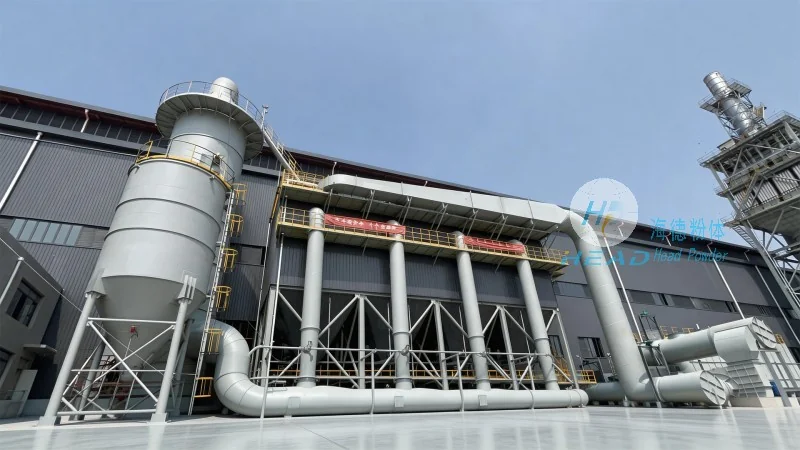
Design Principles of Gypsum Sand Material Handling Equipment
The design of gypsum sand material handling equipment follows a systematic approach that integrates mechanical engineering principles, material science, and operational requirements. Key design considerations include the selection of appropriate conveyor types, such as belt conveyors, screw conveyors, or pneumatic conveyors, based on the specific characteristics of the gypsum sand and the application requirements. For instance, belt conveyors are commonly used for transporting bulk gypsum sand over short to medium distances due to their high load capacity and ability to handle varying particle sizes. Screw conveyors, on the other hand, are ideal for vertical or inclined material transport, providing consistent flow and preventing material buildup. Pneumatic conveyors offer advantages in environments where dust control is critical, as they can transport gypsum sand in a sealed system, minimizing dust exposure and improving workplace safety.
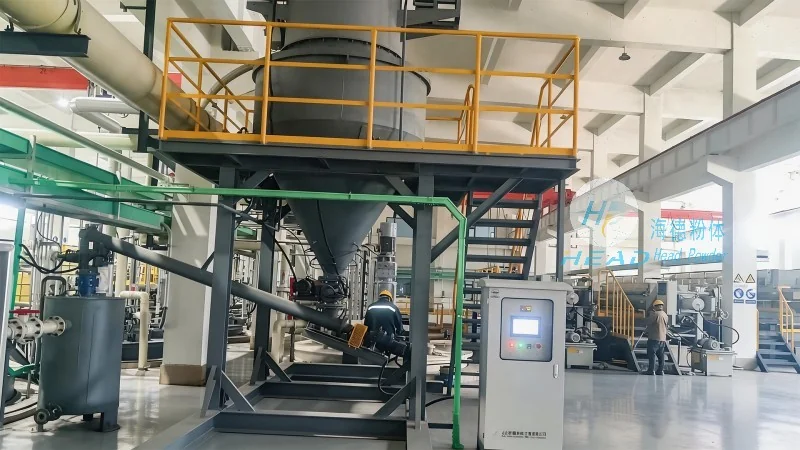
Another critical aspect of the design is the material selection for components that come into direct contact with gypsum sand. Materials such as stainless steel, corrosion-resistant alloys, or high-density polyethylene are often used to ensure durability and resistance to the abrasive and moisture-prone nature of gypsum sand. Additionally, the equipment is designed with features like adjustable speed controls, variable tension systems, and wear-resistant liners to enhance longevity and reduce maintenance costs. The integration of sensors and control systems allows for real-time monitoring of material flow, temperature, and pressure, enabling operators to adjust the equipment parameters dynamically and optimize performance.
Key Features and Functionalities
Gypsum sand material handling equipment from Headpowder is equipped with several key features that enhance its functionality and operational efficiency. These features include robust drive systems that provide consistent power transmission, ensuring smooth and continuous material transport. The equipment is also designed with easy-to-clean and maintain components, such as removable hoppers and access panels, which facilitate regular cleaning and inspection to prevent material buildup and ensure compliance with hygiene standards. Advanced control panels with user-friendly interfaces allow operators to monitor and adjust the equipment settings, including speed, direction, and material flow rate, with minimal training. Additionally, the equipment is engineered to minimize energy consumption through efficient motor selection and optimized material flow paths, contributing to lower operational costs and reduced environmental impact.
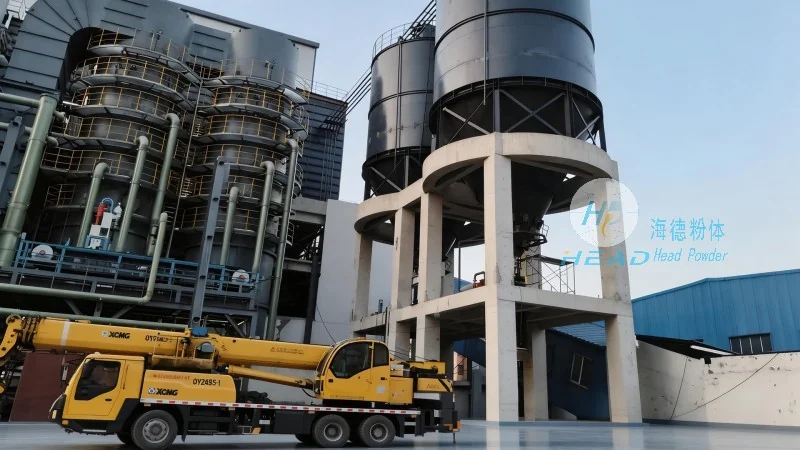
Applications and Industry Use Cases
The versatility of gypsum sand material handling equipment makes it suitable for a wide range of applications across various industries. In the construction industry, these systems are used to transport gypsum sand for wallboard production, plaster manufacturing, and concrete mixing, where consistent material quality and flow are essential for maintaining product standards. In industrial manufacturing, gypsum sand is used as a filler or additive in products such as paints, adhesives, and plastics, and the material handling equipment ensures that the raw material is delivered to production lines in a controlled and efficient manner. Additionally, in the agricultural sector, gypsum sand is used for soil conditioning and pH adjustment, and the equipment facilitates the distribution of this material in agricultural settings, improving soil health and crop yields. The adaptability of the equipment to different operational conditions and material characteristics makes it a valuable asset for businesses in these and other sectors.




