PTA (Polyethylene Terephthalate Acid) powder conveying machines are specialized equipment designed for the efficient and reliable transport of PTA powder in industrial settings. As a key component in the polymer manufacturing process, these machines play a crucial role in ensuring smooth material flow and maintaining product quality. Understanding the design principles behind PTA powder conveying machines is essential for optimizing production efficiency and minimizing operational challenges.
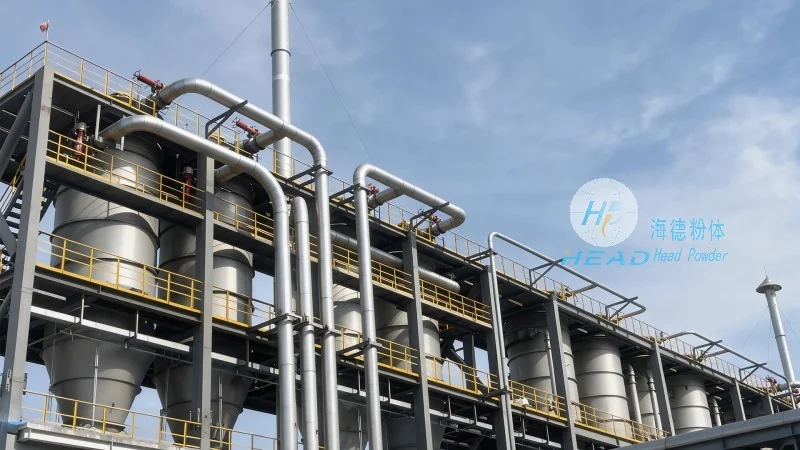
Overview of PTA Powder Conveying Machines
PTA powder conveying machines are engineered to handle the unique characteristics of PTA powder, which includes its fine particle size, hygroscopic nature, and potential for static buildup. The primary function of these machines is to transport PTA powder from storage silos or hoppers to processing units such as reactors or extruders. This process requires precise control over flow rates, pressure, and temperature to prevent material degradation and ensure consistent product output.
Key Design Principles of PTA Powder Conveying Systems
The design of PTA powder conveying machines adheres to several critical principles to address the challenges posed by PTA powder. One of the most important principles is the use of airtight and sealed systems to prevent moisture absorption and contamination. PTA powder is highly hygroscopic, meaning it readily absorbs moisture from the air, which can lead to clumping and reduced performance in downstream processes. Therefore, conveying systems are typically equipped with vacuum or pressure control mechanisms to maintain a dry environment.
Another essential design principle is the incorporation of anti-static features. PTA powder particles are prone to generating static electricity, which can cause material buildup on surfaces and create safety hazards. To mitigate this, machines often include grounding systems, ionizers, or conductive materials in their construction. These features help to dissipate static charges and maintain a safe operating environment.
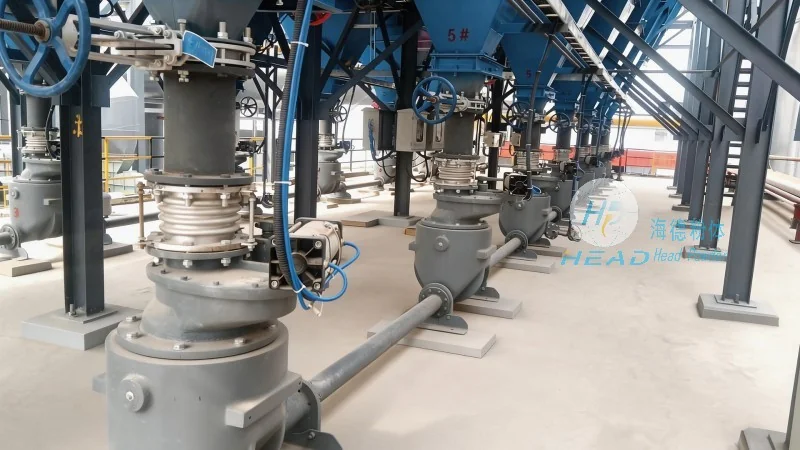
Efficient material handling is also a core design principle. PTA powder conveying machines utilize various mechanisms such as screw conveyors, pneumatic conveying systems, or rotary valves to move the powder. Screw conveyors are commonly used for horizontal or slight incline transport, providing consistent flow rates and minimal product degradation. Pneumatic conveying systems, on the other hand, use compressed air to transport powder in a closed pipeline, offering flexibility in layout and the ability to handle both low and high flow rates.
Components and Operational Mechanisms
PTA powder conveying machines consist of several key components that work in tandem to achieve reliable operation. The main components include a hopper or silo for material storage, a feeding device (such as a rotary valve or feeder) to control the flow of powder, a conveying system (e.g., screw or pneumatic), and a control panel for monitoring and adjusting parameters. The control panel typically includes sensors for flow rate, pressure, and temperature, allowing operators to adjust settings in real-time and maintain optimal conditions.
The operational mechanism of these machines involves the controlled release of PTA powder from the hopper into the conveying system. In screw conveyors, a rotating screw pushes the powder forward through a tube, while in pneumatic systems, compressed air propels the powder through a pipeline. The speed and pressure of the conveying medium are carefully regulated to ensure the powder moves smoothly without causing blockages or excessive wear on components.
Benefits of Using PTA Powder Conveying Machines
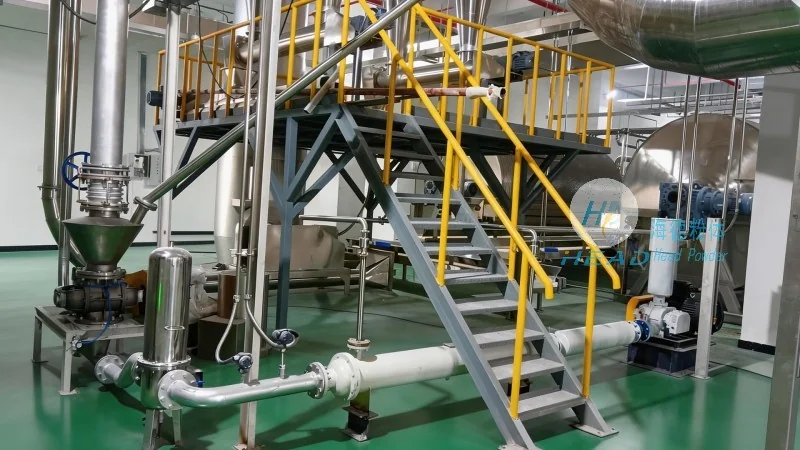
Implementing PTA powder conveying machines offers several benefits for industrial operations. Firstly, they enhance production efficiency by ensuring a continuous and consistent supply of PTA powder to processing units. This reduces downtime caused by material shortages or blockages, leading to higher overall productivity. Secondly, the sealed and controlled environment of these machines minimizes product contamination and degradation, preserving the quality of the PTA powder for downstream applications.
Additionally, PTA powder conveying machines improve safety in the workplace by reducing the risk of dust explosions and material handling accidents. The enclosed design prevents powder from escaping into the air, while anti-static features eliminate the risk of static-related fires or explosions. This makes the operation of these machines safer for both personnel and equipment.
Applications in the PTA Industry
PTA powder conveying machines are widely used in the production of polyester fibers and resins, which are essential components in textiles, packaging, and other industries. In these applications, the efficient transport of PTA powder is critical to maintaining the quality and consistency of the final products. The machines are often integrated into larger production lines, working in conjunction with reactors, extruders, and other processing equipment to ensure a seamless flow of materials.
For example, in a polyester fiber manufacturing plant, PTA powder is conveyed from storage silos to a reactor where it is polymerized with ethylene glycol to form polyester resin. The conveying machine must deliver the PTA powder at a precise rate to match the reactor's requirements, ensuring optimal reaction conditions and product quality. Similarly, in resin production, the conveying system ensures a steady supply of PTA to the extruder, which processes the resin into pellets for further use.
Maintenance and Operational Considerations
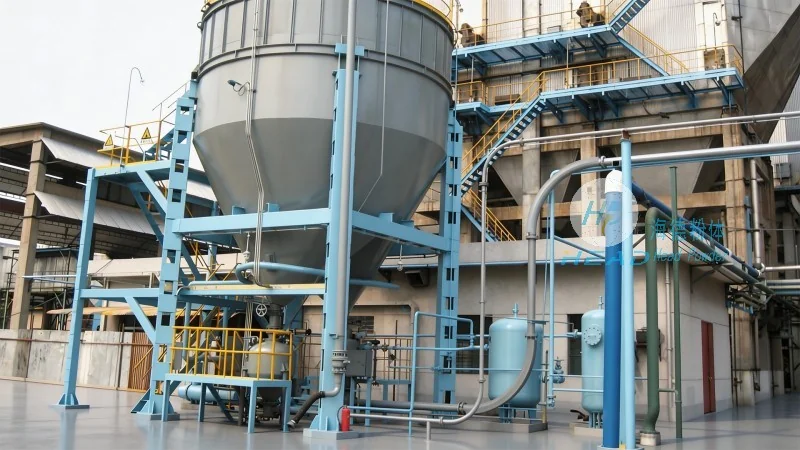
Proper maintenance of PTA powder conveying machines is essential to ensure long-term reliability and performance. Regular cleaning of the hopper, conveying tubes, and feeding mechanisms is necessary to prevent powder buildup and blockages. The anti-static components, such as ionizers or grounding systems, should be checked and maintained regularly to ensure they function effectively. Additionally, the control panel and sensors should be inspected periodically to detect any issues with flow rate or pressure, allowing for timely adjustments or repairs.
Operational considerations also include monitoring the moisture content of the PTA powder and maintaining the appropriate humidity levels in the conveying system. Since PTA powder is hygroscopic, any increase in moisture can lead to clumping and reduced flow rates. By maintaining a dry environment and monitoring moisture levels, operators can prevent these issues and ensure smooth operation.
Conclusion
PTA powder conveying machines are vital equipment in the polymer manufacturing industry, designed to handle the unique challenges of transporting PTA powder efficiently and safely. The design principles behind these machines, including sealed systems, anti-static features, and efficient conveying mechanisms, address the hygroscopic and static-prone nature of PTA powder. By implementing these machines, industrial operations can enhance productivity, maintain product quality, and ensure workplace safety. As a leading provider in this field, Shandong HeadPowder Engineering Co., Ltd. specializes in designing and manufacturing high-quality PTA powder conveying systems tailored to meet the specific needs of industrial clients.




