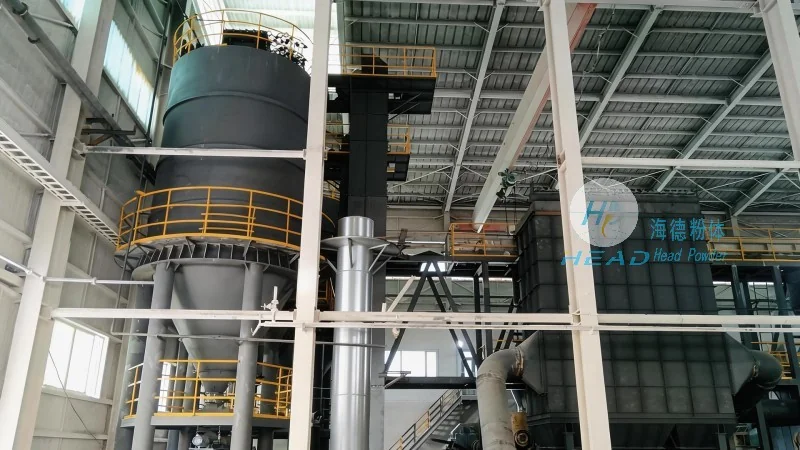
Shandong HeadPowder Engineering Co., Ltd., a leading enterprise in the field of powder processing technology, specializes in the design and manufacturing of advanced pneumatic conveying systems. With a focus on precision and efficiency, the company has developed a specialized device tailored for the transportation of inorganic salt crystals. This article provides an in-depth overview of the design principles, key components, and operational advantages of this innovative pneumatic conveying system.
Company Overview and Expertise
HeadPowder, as the company's official abbreviation, represents Shandong HeadPowder Engineering Co., Ltd., headquartered in Shandong, China. The company has built a strong reputation by delivering high-quality engineering solutions tailored to the unique challenges of material handling in various industrial sectors. With years of experience in powder technology, HeadPowder has become a trusted partner for businesses seeking reliable and efficient pneumatic conveying solutions. The company's commitment to innovation and customer satisfaction drives its continuous improvement in product design and performance.
Understanding Pneumatic Conveying for Inorganic Salt Crystals
The pneumatic conveying device designed for inorganic salt crystals is engineered to handle the specific physical properties of these materials, such as particle size, density, and flow characteristics. Inorganic salt crystals, often used in industries like chemical manufacturing, food processing, and pharmaceuticals, require a conveying system that can maintain product integrity while ensuring efficient transport. The design addresses common challenges associated with traditional conveying methods, including dust generation, material degradation, and system inefficiencies. By leveraging advanced pneumatic technology, the device offers a solution that is both effective and environmentally friendly.
Key Design Features and Components
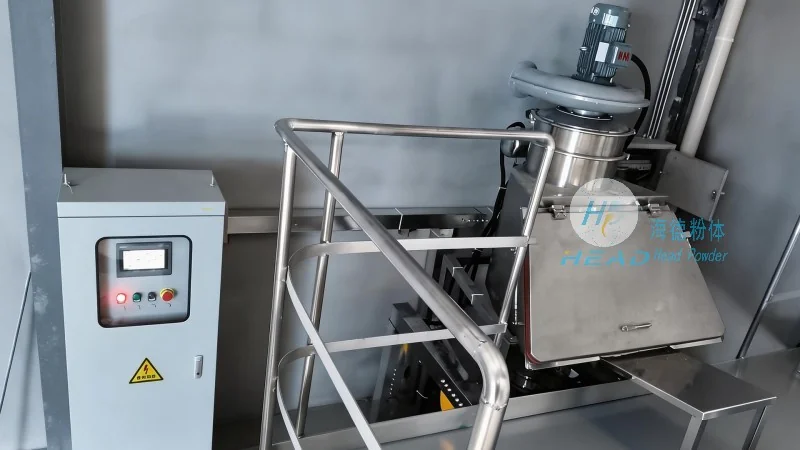
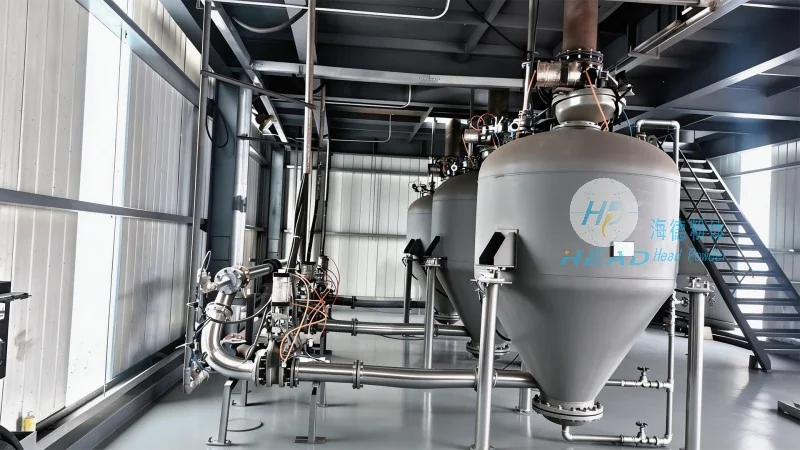
The core of the pneumatic conveying system for inorganic salt crystals includes several critical components that work in harmony to ensure optimal performance. The system typically consists of a feeding hopper, a rotary valve for controlled material discharge, a conveying pipeline, a blower or air compressor to generate the necessary airflow, and a receiver or discharge hopper. The feeding hopper is designed with a sloped bottom to facilitate uniform material flow and prevent clogging. The rotary valve ensures precise control over the amount of material entering the pipeline, minimizing air loss and optimizing conveying efficiency. The conveying pipeline is constructed from materials resistant to corrosion and abrasion, suitable for handling inorganic salt crystals. The blower or air compressor provides the required pressure and airflow to move the material through the system. The receiver hopper collects the conveyed material and allows for easy discharge into the next processing stage.
Operational Advantages and Performance Metrics
One of the primary advantages of the pneumatic conveying device is its ability to maintain the quality of inorganic salt crystals during transport. Unlike mechanical systems that may cause particle breakage or contamination, the pneumatic method uses air to gently move the material, preserving its physical properties. This is particularly important for applications where the purity and consistency of the salt crystals are critical, such as in food or pharmaceutical industries. Additionally, the system offers high conveying rates, allowing for increased productivity and reduced downtime. The design also minimizes energy consumption by optimizing airflow and pressure, contributing to cost savings and environmental sustainability. Performance metrics, such as conveying capacity, pressure drop, and material recovery rate, are carefully engineered to meet the specific needs of each application, ensuring reliable and consistent operation.
Application Scenarios and Industry Impact
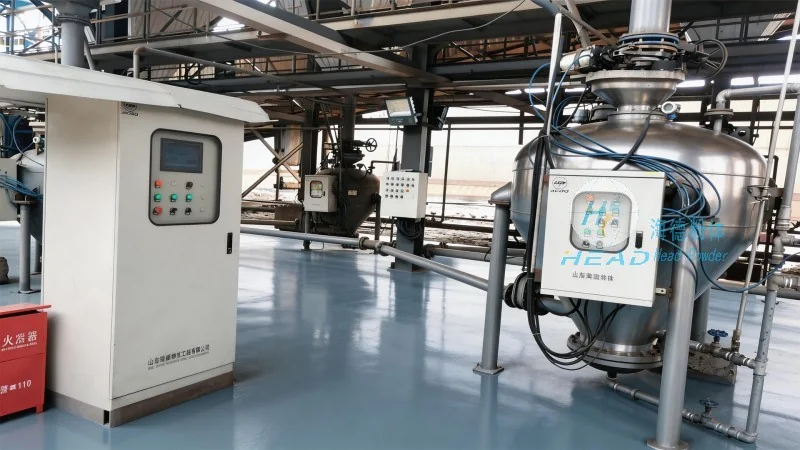
The pneumatic conveying device for inorganic salt crystals is widely applicable across various industries. In the chemical sector, it is used for transporting raw materials like sodium chloride or potassium chloride, which are essential components in the production of fertilizers, water treatment chemicals, and other industrial products. In the food industry, the system is employed to handle salt used in food processing, ensuring hygienic and efficient handling. The pharmaceutical industry also benefits from this technology, as it allows for the safe and sterile transport of salt-based excipients or active ingredients. By providing a reliable and efficient conveying solution, the device enhances operational efficiency and reduces the risk of material loss or contamination in these industries. The impact of this technology extends beyond individual applications, contributing to overall process optimization and cost reduction in material handling operations.
Conclusion and Future Outlook
Shandong HeadPowder Engineering Co., Ltd. has successfully designed and implemented a pneumatic conveying device specifically for inorganic salt crystals, addressing the unique challenges of material handling in various industries. The system's advanced design, featuring precise control, efficient airflow management, and material preservation capabilities, makes it a superior choice for businesses seeking reliable and high-performance conveying solutions. As the company continues to innovate and expand its product offerings, the future of pneumatic conveying technology for inorganic salt crystals looks promising, with potential for further advancements in efficiency, sustainability, and adaptability. HeadPowder remains committed to delivering cutting-edge solutions that meet the evolving needs of the industrial sector, ensuring that its products remain at the forefront of material handling technology.




