For industrial applications involving the handling of magnesium oxide powder, the selection of an appropriate conveyor system is crucial. A magnesium oxide powder conveyor is a specialized piece of equipment designed to transport this specific material efficiently and safely. This article explores the fundamental aspects of such a conveyor, including its design principles and the key factors that contribute to its effective operation.
Understanding the Magnesium Oxide Powder Conveyor
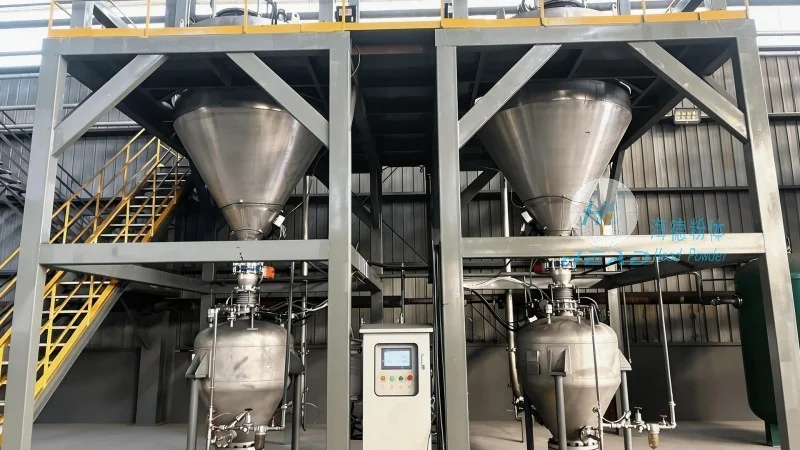
Magnesium oxide (MgO), commonly known as magnesia, is a white crystalline solid that is widely used in various industries, including construction, pharmaceuticals, and chemical manufacturing. Due to its fine powder form and potential for dust generation, handling this material requires specialized equipment to ensure both operational efficiency and worker safety. The magnesium oxide powder conveyor is engineered to address these challenges by providing a reliable method for transporting the material from one location to another within a production facility.
Key Design Principles of the Conveyor System
The design of a magnesium oxide powder conveyor is based on several critical principles that ensure optimal performance. These principles include material compatibility, dust control, and mechanical durability. The conveyor's components are typically constructed from materials that are resistant to corrosion and wear, which is essential given the abrasive nature of magnesium oxide powder. For instance, the use of stainless steel or specialized coatings on the conveyor's housing and internal parts helps to prevent material buildup and maintain a clean operational environment.
Another crucial design aspect is the implementation of effective dust suppression measures. Magnesium oxide is a fine powder that can easily become airborne, posing health risks and creating operational hazards. The conveyor system incorporates features such as sealed housing, air filtration systems, and dust collection attachments to minimize dust emissions. This not only protects workers from respiratory issues but also ensures compliance with environmental regulations.
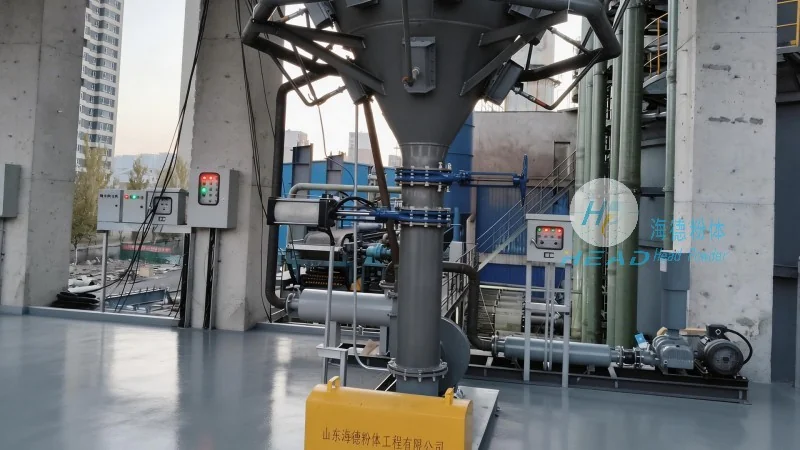
The mechanical design of the conveyor also focuses on efficiency and reliability. It often includes components like screw conveyors, pneumatic systems, or belt conveyors, each tailored to the specific characteristics of magnesium oxide powder. Screw conveyors, for example, are commonly used for vertical or inclined transport, as they can handle fine powders without the need for additional feeding mechanisms. The design may also incorporate variable speed drives and adjustable feed controls to maintain consistent material flow and prevent overloading.
Components and Operational Mechanisms
At the core of a magnesium oxide powder conveyor are several key components that work in tandem to facilitate material transport. The primary components include the feed hopper, conveyor screw or belt, drive motor, and discharge outlet. The feed hopper is designed to hold a sufficient quantity of magnesium oxide powder, ensuring a steady supply to the conveyor mechanism. The conveyor screw or belt is responsible for moving the material along the desired path, with the screw's pitch and speed being critical parameters that affect the material's flow rate.
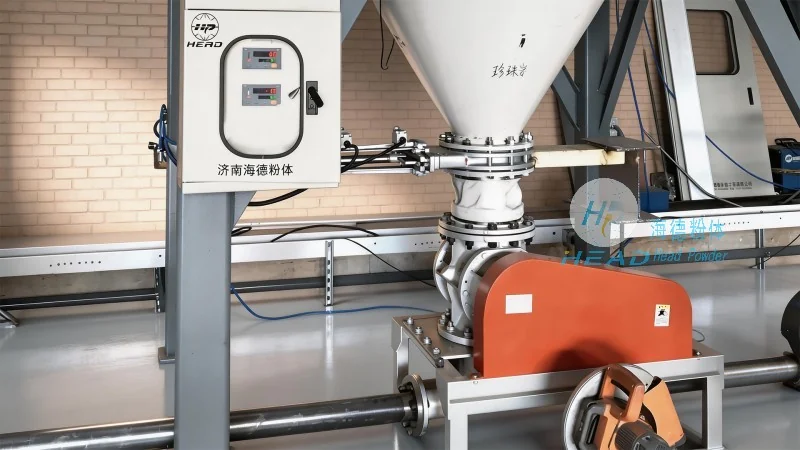
The drive motor provides the necessary power to rotate the screw or move the belt, and it is often equipped with a variable frequency drive (VFD) to allow for speed adjustments based on the material's characteristics or operational needs. The discharge outlet is strategically positioned to direct the material to its final destination, such as a storage silo or processing unit. In some designs, additional components like rotary valves or airlocks are integrated to control the flow of material and prevent backflow.
Applications and Benefits in Industrial Settings
Magnesium oxide powder conveyors are widely utilized in industrial settings where the efficient handling of fine powders is essential. In the construction industry, for example, these conveyors are used to transport magnesia for use in refractory materials and fire-resistant products. In pharmaceutical manufacturing, they help to move magnesium oxide for use in dietary supplements and medical formulations. The benefits of using a specialized conveyor system include improved productivity, reduced labor costs, and enhanced safety by minimizing manual handling of the material.
Furthermore, the design of the conveyor allows for easy integration into existing production lines, making it a versatile solution for various industrial applications. The ability to handle large volumes of magnesium oxide powder without compromising on quality or safety makes it an indispensable tool in many manufacturing processes. By adhering to the design principles outlined above, manufacturers can ensure that their conveyor systems operate efficiently and reliably, contributing to overall operational success.
About Shandong HeadPowder Engineering Co., Ltd.
Shandong HeadPowder Engineering Co., Ltd., commonly known as HeadPowder, is a leading manufacturer of specialized powder handling equipment. With a focus on innovation and customer satisfaction, the company has established itself as a trusted provider of high-quality magnesium oxide powder conveyors and related systems. HeadPowder's products are designed to meet the specific needs of industrial clients, ensuring durability, efficiency, and compliance with industry standards. The company's headquarters is located in Shandong, China, where it continues to develop and refine its equipment to serve the global market.




