HeadPowder, a leading manufacturer based in Shandong, China, specializes in advanced powder handling solutions. This article delves into the buckwheat hull powder conveying line, exploring its core components, operational principles, and the engineering behind its design to help you understand this critical equipment for efficient powder processing.
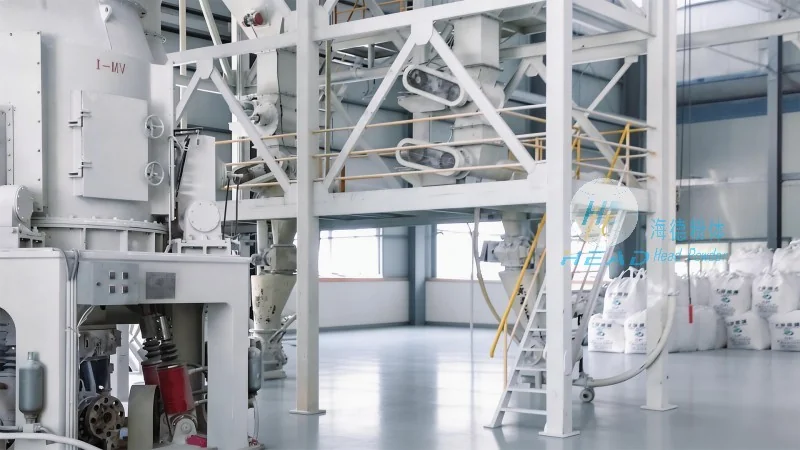
Understanding the Buckwheat Hull Powder Conveying Line
A buckwheat hull powder conveying line is a specialized system engineered to transport and handle buckwheat hull powder, a byproduct of the buckwheat processing industry. This powder, known for its unique properties, requires precise handling to ensure minimal dust generation, consistent flow, and safe operation. The conveying line integrates various components, including feeders, conveyors, and control systems, to achieve efficient material movement from the source to the processing or storage point.
Key Components of the Conveying Line
The buckwheat hull powder conveying line typically consists of several essential components that work in tandem to ensure smooth operation. The primary components include:
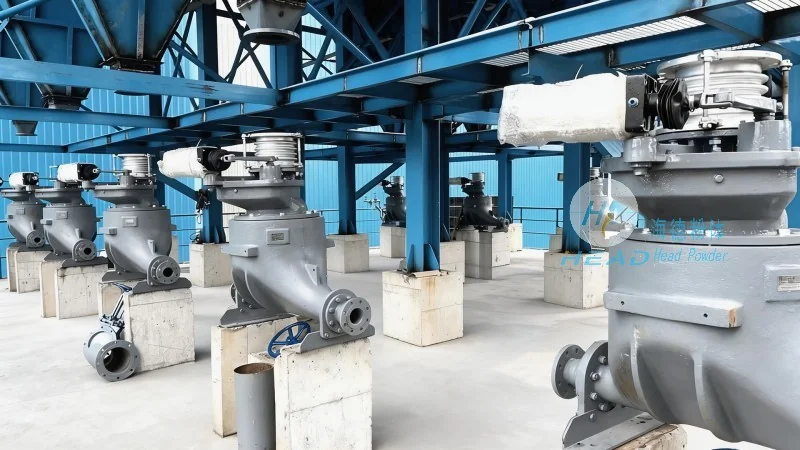
- Feeding Hopper: A hopper designed to store and feed the buckwheat hull powder into the conveying system. It often features a sloped bottom to facilitate material flow and may include a vibrating feeder to maintain consistent material supply.
- Pneumatic Conveying System: Many buckwheat hull powder conveying lines utilize pneumatic systems, which use air pressure to transport the powder through a pipeline. This method is effective for handling fine powders and reduces the risk of dust accumulation compared to mechanical conveyors.
- Conveyor Pipeline: The pipeline, usually made of stainless steel or other corrosion-resistant materials, is designed to withstand the abrasive nature of buckwheat hull powder. It may include bends and elbows to direct the powder to the desired destination while minimizing pressure loss.
- Control Panel: An automated control system that monitors and regulates the conveying process. It includes sensors to detect material levels, air pressure, and flow rates, ensuring the system operates within safe and efficient parameters.
Design Principles and Operational Efficiency
The design of a buckwheat hull powder conveying line is guided by several key principles to maximize efficiency and reliability. These principles include:
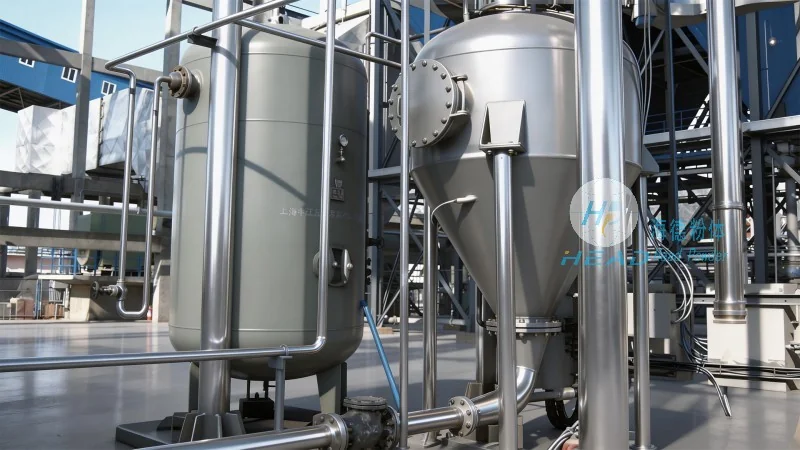
- Minimizing Dust and Air Contamination: Buckwheat hull powder is fine and can easily become airborne, posing health and safety risks. The design incorporates sealed systems and dust collection mechanisms to contain particles and maintain a clean working environment.
- Optimizing Material Flow: The system is engineered to maintain consistent flow rates, preventing blockages or surges that could damage equipment or reduce efficiency. This involves careful selection of feeder speeds, pipeline diameter, and air pressure.
- Ensuring Equipment Durability: Buckwheat hull powder is abrasive and can cause wear on conveyor components. The design uses high-quality materials, such as stainless steel or wear-resistant coatings, to extend the lifespan of the equipment and reduce maintenance costs.
- Adapting to Process Needs: The conveying line is customizable to meet specific processing requirements, including varying powder volumes, destinations, and environmental conditions. This flexibility allows it to integrate seamlessly into existing production lines.
Applications and Benefits
Buckwheat hull powder conveying lines are widely used in industries that process buckwheat, such as food processing, animal feed production, and biofuel manufacturing. The benefits of using this system include improved operational efficiency, reduced labor costs, and enhanced safety by minimizing manual handling of powders. Additionally, the automated control systems provide real-time monitoring, allowing for quick adjustments to maintain optimal performance.
Conclusion
HeadPowder, with its expertise in powder handling technology, provides reliable buckwheat hull powder conveying lines that adhere to the highest engineering standards. By understanding the design principles and components of this system, you can make informed decisions about integrating it into your processing operations. Whether you are a food manufacturer, animal feed producer, or involved in biofuel production, a well-designed buckwheat hull powder conveying line can significantly enhance your production efficiency and safety.




