For industrial applications that require precise and controlled powder handling, the intermittent feeding powder conveying line stands out as a critical piece of equipment. This system is engineered to transport bulk powders in a controlled manner, ensuring efficiency and reliability in various production processes. Understanding its functionality and design principles is essential for industries such as pharmaceuticals, food processing, and chemical manufacturing, where material integrity and process consistency are paramount.
What is an Intermittent Feeding Powder Conveying Line?
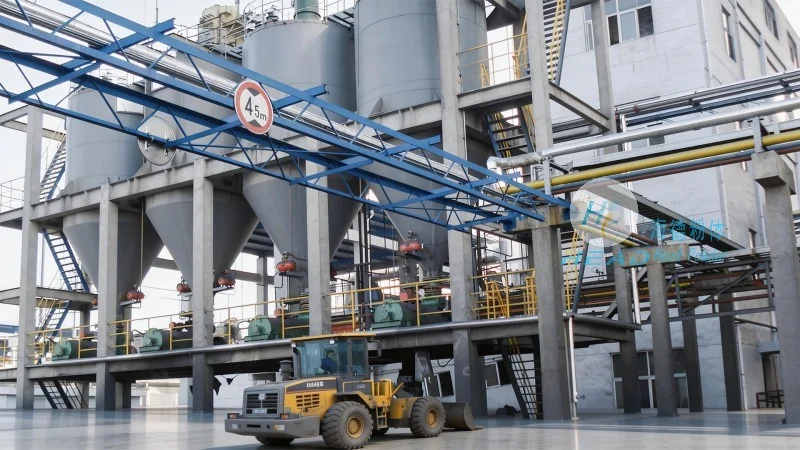
An intermittent feeding powder conveying line is a specialized system designed to transport dry powders or bulk materials in a controlled, step-by-step manner. Unlike continuous conveying systems, this type of line operates by moving material in discrete batches or cycles, allowing for precise control over the quantity and timing of material delivery. The system typically consists of a hopper, a feeder mechanism, a conveying tube, and a discharge point, all working in coordination to ensure smooth and efficient material transfer. The key advantage of this design is its ability to prevent material degradation, segregation, or contamination, which are common issues in continuous conveying systems.
Design Principles of Intermittent Feeding Powder Conveying Lines
The design of an intermittent feeding powder conveying line is based on several fundamental principles aimed at optimizing performance and reliability. First, the system must ensure uniform material flow by using a controlled feeder, such as a rotary valve or a screw feeder, which regulates the amount of material released into the conveying tube. This control is crucial for maintaining consistent product quality and preventing overloading or underloading of downstream equipment. Second, the conveying mechanism, often a pneumatic or mechanical system, is designed to move material in short bursts, reducing the risk of material bridging or clogging in the hopper or tube. The intermittent operation also allows for better control over the pressure and flow rate, which is vital for sensitive materials that may be prone to agglomeration or degradation under continuous stress.
Key Components and Their Functions
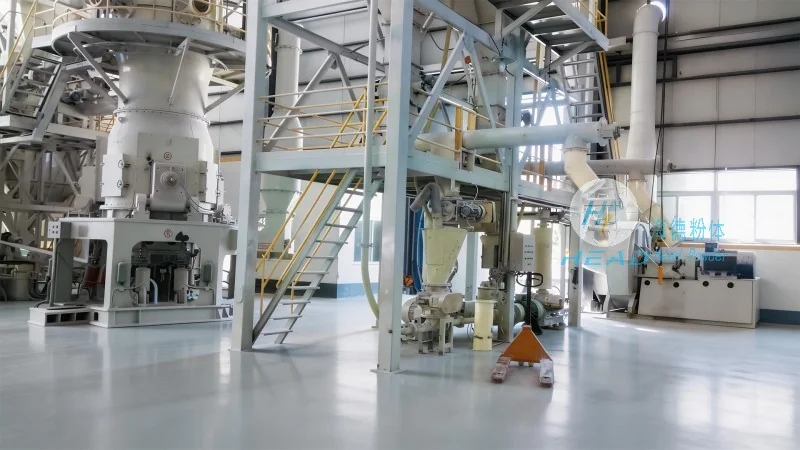
Several key components make up an intermittent feeding powder conveying line, each playing a critical role in the overall system performance. The hopper serves as the storage container for the bulk material, providing a stable and controlled environment for material accumulation. It is typically designed with a sloped bottom to facilitate material flow and prevent bridging. The feeder mechanism, often a rotary valve or a screw feeder, is responsible for controlling the rate of material discharge from the hopper. This component ensures that the material is released in a controlled manner, matching the conveying system's capacity and preventing overloading. The conveying tube, usually made of stainless steel or other corrosion-resistant materials, transports the material from the feeder to the discharge point. The tube's design, including its diameter and length, is optimized to minimize pressure drop and ensure efficient material transfer. Finally, the discharge point, such as a valve or a container, receives the material and directs it to the next stage of the production process. Each component is carefully selected and integrated to ensure the system operates smoothly and reliably.
Applications and Benefits in Industrial Settings
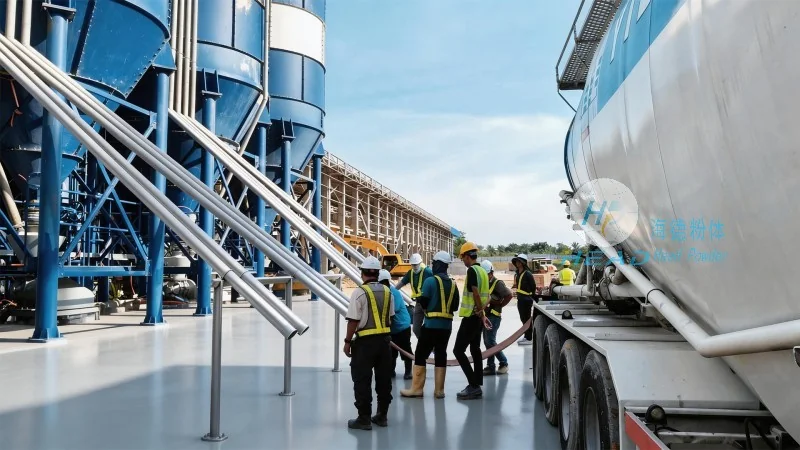
The intermittent feeding powder conveying line is widely used in various industrial applications where precise material handling is essential. In the pharmaceutical industry, for example, this system is used to transport active pharmaceutical ingredients (APIs) and excipients with high precision, ensuring that the final product meets strict quality standards. The controlled operation prevents contamination and maintains the integrity of the material, which is critical for drug manufacturing. In the food processing industry, the system is used to handle dry ingredients like flour, sugar, and spices, ensuring consistent product quality and preventing cross-contamination. The intermittent design also helps in maintaining the freshness of the ingredients by reducing exposure to air and moisture. In the chemical manufacturing sector, the system is used to transport bulk chemicals, such as powders and granules, with high efficiency and safety. The controlled operation reduces the risk of dust explosions and ensures that the material is handled in a safe and environmentally friendly manner.
Company Introduction: Shandong HeadPowder Engineering Co., Ltd.
Shandong HeadPowder Engineering Co., Ltd., commonly known as HeadPowder, is a leading manufacturer and supplier of powder handling equipment in China. With a strong focus on innovation and quality, the company has established itself as a trusted partner for industries requiring reliable and efficient powder conveying solutions. HeadPowder specializes in designing and manufacturing a wide range of powder handling systems, including intermittent feeding powder conveying lines, pneumatic conveying systems, and bulk material handling equipment. The company's products are known for their durability, precision, and adaptability to various industrial applications. HeadPowder's team of experienced engineers and technicians work closely with clients to understand their specific needs and provide customized solutions that meet their requirements. The company is committed to providing high-quality products and excellent customer service, ensuring that clients receive the best possible support throughout the product lifecycle.




