HeadPowder, a leading engineering firm based in Shandong, China, specializes in the design and implementation of advanced pneumatic conveying systems for mineral sand applications. This technical analysis delves into the core differences between positive pressure and negative pressure conveying modes, offering insights into their operational principles, advantages, and practical applications.
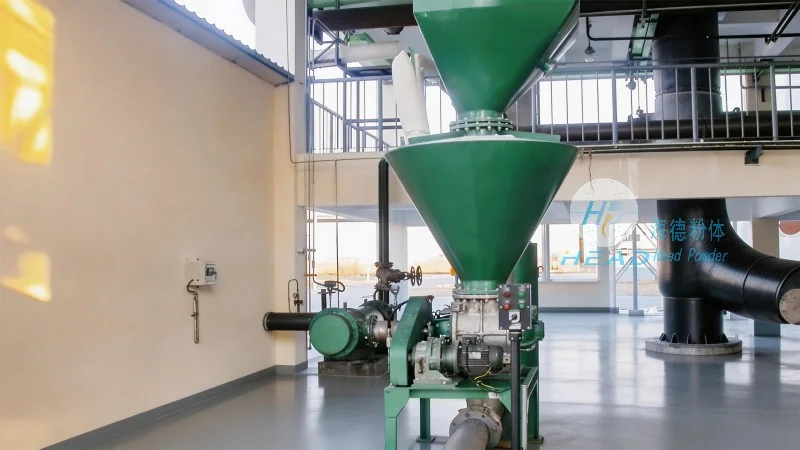
Understanding Pneumatic Conveying Systems for Mineral Sands
Pneumatic conveying is a critical technology in the mineral processing industry, enabling the efficient transport of bulk materials like mineral sands from one location to another without the need for mechanical components such as belts or buckets. The system relies on the movement of air or gas to transport the material, and the choice between positive pressure and negative pressure systems significantly impacts system performance, cost, and suitability for specific operational conditions.
Positive Pressure Conveying Mode: Advantages and Applications
Positive pressure systems operate by generating high-pressure air or gas at the inlet of the conveying line. This mode is particularly effective for transporting mineral sands over long distances or through complex layouts, as the high pressure ensures consistent material flow and reduces the risk of blockages. One of the key advantages of positive pressure is its ability to handle abrasive materials like mineral sands without excessive wear on system components. Additionally, positive pressure systems are generally more energy-efficient for long-distance conveying, as they maintain a continuous flow of air to keep the material suspended.
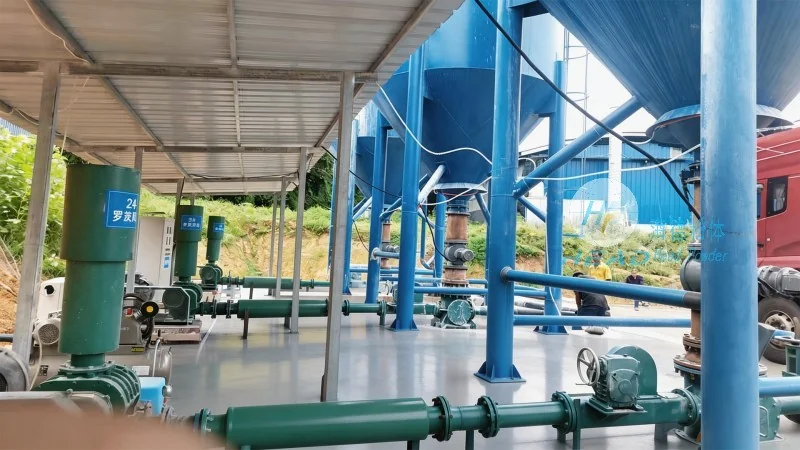
Negative Pressure Conveying Mode: Characteristics and Use Cases
Negative pressure systems, also known as suction or vacuum systems, operate by creating a low-pressure environment at the inlet, drawing material into the conveying line. This mode is often preferred for short-distance or low-velocity conveying applications, where the material is less abrasive and the system requires lower air volumes. Negative pressure systems are particularly useful in environments where dust control is a priority, as the sealed system prevents material from escaping into the surrounding air. However, they are generally less suitable for long-distance conveying due to the limitations of vacuum pressure and the potential for material buildup in the suction line.
Key Technical Differences and Performance Metrics
When comparing positive and negative pressure systems, several technical aspects differentiate them. Positive pressure systems typically require higher air pressures (often 5-10 bar) and more robust equipment, such as high-capacity blowers or compressors, to maintain the necessary flow. In contrast, negative pressure systems operate at lower pressures (around 1-2 bar) and use vacuum pumps or fans to create the suction effect. The choice of system also impacts the material's velocity and the system's overall efficiency. Positive pressure systems can achieve higher material velocities, which reduces the risk of material degradation and blockages, while negative pressure systems may have lower velocities, making them more suitable for less abrasive materials.
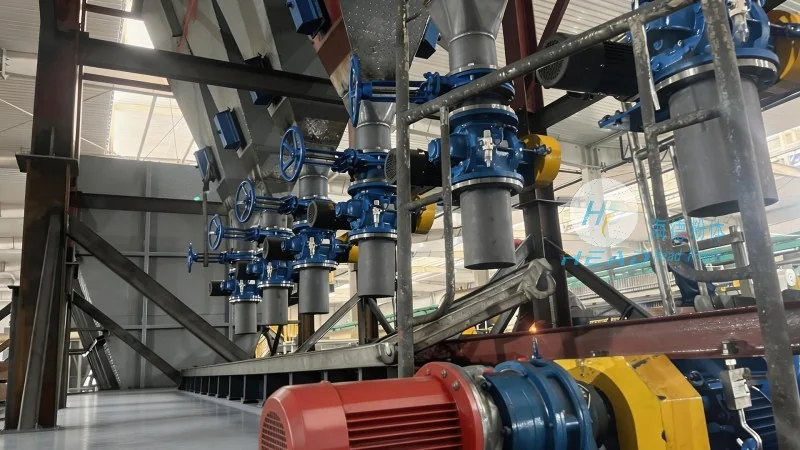
Operational Considerations and Maintenance Requirements
Operational considerations play a crucial role in selecting the appropriate conveying mode. Positive pressure systems require regular maintenance of high-pressure components, such as blowers and filters, to ensure consistent performance. The system's design must also account for the potential for material buildup in the conveying line, which can lead to blockages if not properly managed. Negative pressure systems, on the other hand, are generally easier to maintain, as they involve lower-pressure components and simpler suction mechanisms. However, they are more susceptible to dust accumulation in the suction line, which can affect system efficiency and require more frequent cleaning.
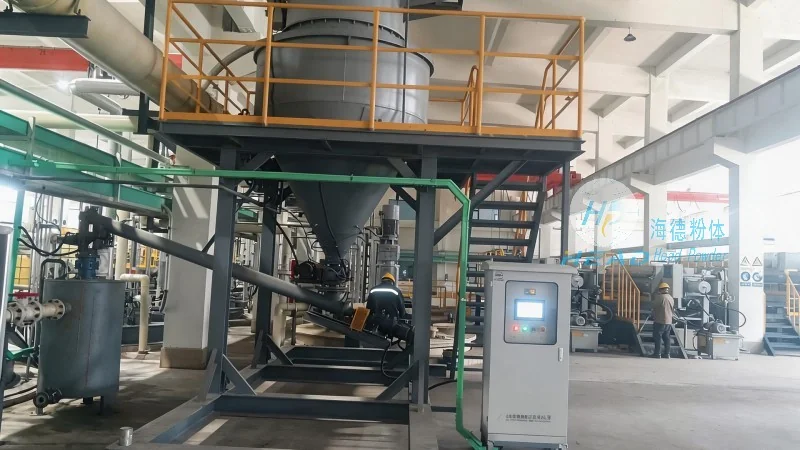
Case Studies and Real-World Applications
HeadPowder has successfully implemented both positive and negative pressure pneumatic conveying systems for mineral sand processing plants. For instance, a client in Shandong required a long-distance transport of silica sand from a mine to a processing facility. The company designed a positive pressure system with a high-capacity blower and a series of flexible hoses to navigate the complex terrain. The system achieved a consistent flow rate of 50 tons per hour, with minimal material degradation and low maintenance costs. Another project involved a short-distance conveying of fine mineral sands from a storage silo to a mixing plant, where a negative pressure system was preferred due to the need for dust control and lower operational costs.
Conclusion: Choosing the Right Conveying Mode for Mineral Sands
Both positive pressure and negative pressure pneumatic conveying systems offer viable solutions for mineral sand transport, each with its own set of advantages and limitations. The selection of the appropriate mode depends on factors such as distance, material characteristics, dust control requirements, and operational budget. By understanding the technical differences and performance metrics, engineers can design systems that optimize efficiency, reduce costs, and ensure reliable operation. HeadPowder, with its expertise in pneumatic conveying technology, continues to provide tailored solutions that meet the specific needs of mineral processing industries, ensuring the efficient and safe transport of mineral sands from source to destination.




