For industrial facilities dealing with fly ash, an efficient and reliable powder conveying system is crucial for the safe and effective handling of this material. The fly ash silo powder conveying line, also known as a fly ash handling system, is a specialized equipment setup designed to transport fly ash from storage silos to processing or disposal locations. This article will explore the definition and design principles of such a system, highlighting its importance in modern industrial operations.
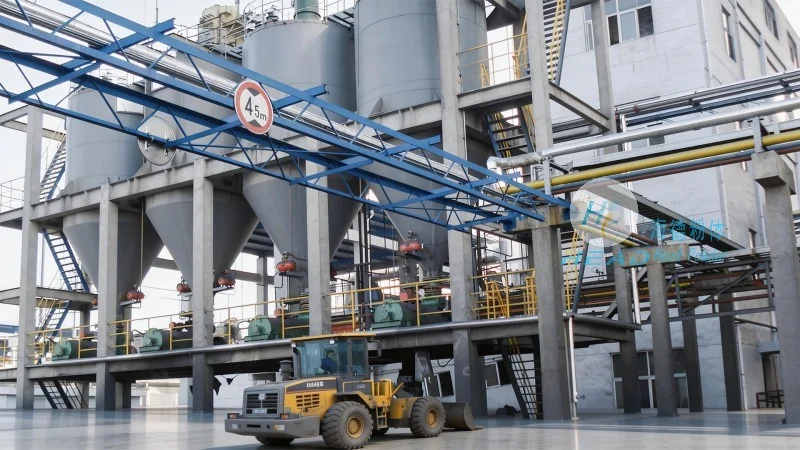
Understanding the Fly Ash Silo Powder Conveying Line
A fly ash silo powder conveying line is a comprehensive system that integrates storage, transportation, and processing components to manage fly ash, a byproduct of coal combustion. The system typically includes a fly ash silo for storage, a conveying mechanism (such as pneumatic or mechanical conveyors), and control systems to ensure smooth operation. The primary goal of this line is to transfer fly ash from the silo to downstream processes, such as cement production, power plant operations, or environmental disposal, with minimal loss and maximum efficiency.
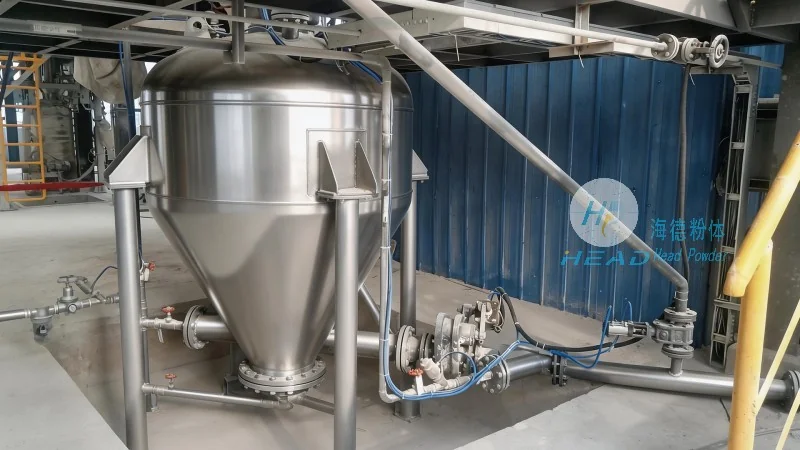
Key Components and Functions of the System
The design of a fly ash silo powder conveying line involves several critical components, each playing a vital role in the overall operation. The main components include the fly ash silo, which serves as the storage vessel, often made of steel or concrete to withstand the material's characteristics. The silo is equipped with a discharge valve or feeder to regulate the flow of fly ash into the conveying system. The conveying mechanism, which can be pneumatic (using air pressure to move the material) or mechanical (using screws, belts, or buckets), is responsible for transporting the fly ash from the silo to the destination. Control systems, including sensors and automation devices, monitor the flow rate, pressure, and other parameters to ensure safe and efficient operation.
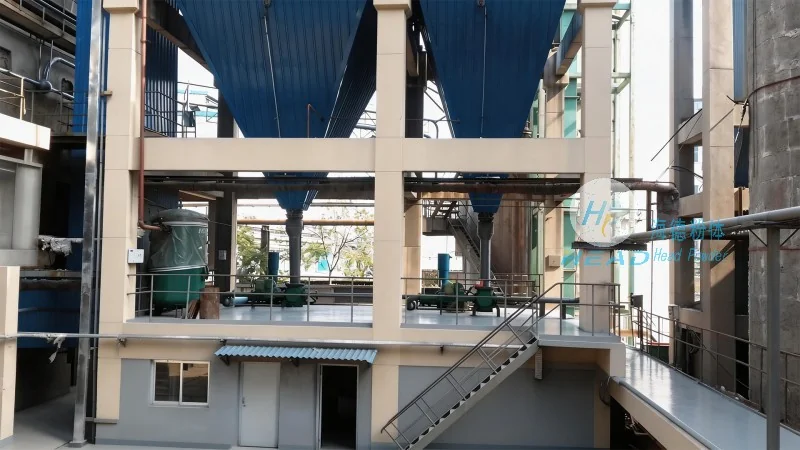
Design Principles for Optimal Performance
The design principles of a fly ash silo powder conveying line focus on several key aspects to ensure reliability, efficiency, and safety. First, the system must be designed to handle the physical properties of fly ash, such as its particle size, moisture content, and density. This involves selecting appropriate materials for the silo and conveying equipment to prevent corrosion or wear. Second, the system should minimize material degradation and loss during transport, which is critical for maintaining product quality and reducing waste. This is achieved through proper aeration, temperature control, and gentle handling mechanisms. Third, the design must consider the safety aspects, including explosion-proof features for pneumatic systems and proper ventilation to prevent dust accumulation. Finally, the system should be scalable and adaptable to accommodate changes in fly ash production or processing requirements.
HeadPowder: Your Partner in Fly Ash Handling Solutions
Shandong HeadPowder Engineering Co., Ltd., commonly known as HeadPowder, is a leading provider of specialized engineering solutions for fly ash and other powder handling applications. With a strong focus on innovation and customer satisfaction, HeadPowder has developed advanced fly ash silo powder conveying lines that meet the highest industry standards. The company's expertise lies in designing customized systems that address the unique challenges of each client, ensuring optimal performance and reliability. HeadPowder's systems are built with durable materials and advanced control technologies, providing long-term value and operational efficiency. The company's commitment to quality and safety has made it a trusted partner for industrial facilities worldwide.
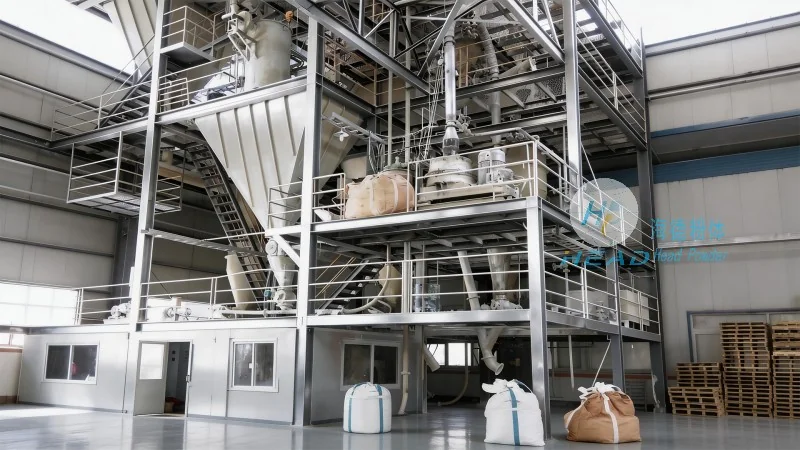
Conclusion
In conclusion, the fly ash silo powder conveying line is a critical component of modern industrial operations, enabling the efficient and safe handling of fly ash. The design principles, which emphasize material properties, system reliability, and safety, are essential for the successful implementation of such systems. Companies like Shandong HeadPowder Engineering Co., Ltd. play a vital role in providing advanced solutions that meet the evolving needs of the industry. By understanding the components and design principles of these systems, industrial facilities can enhance their operational efficiency and ensure compliance with environmental regulations.




