When handling secondary zinc oxide through pneumatic conveying systems, operators often face significant challenges related to dust leakage. The fine particles of zinc oxide can easily escape from the system, leading to environmental contamination, health risks for personnel, and potential equipment damage. Effective dust control is crucial for maintaining operational efficiency and compliance with industrial standards. This article explores the strategies and solutions implemented by Shandong HeadPowder Engineering Co., Ltd. to prevent dust leakage during the transport of secondary zinc oxide.
Understanding the Risks of Dust Leakage in Pneumatic Conveying
Dust leakage in pneumatic conveying systems for secondary zinc oxide can have several adverse effects. Firstly, it poses health hazards as zinc oxide dust is known to be respiratory irritant, potentially causing lung irritation or other health issues if inhaled. Secondly, environmental contamination is a major concern, as the fine particles can settle on surfaces, affecting air quality and potentially leading to regulatory violations. Additionally, dust leakage can reduce the efficiency of the conveying system by causing blockages or reducing the effective capacity of the equipment. Therefore, implementing robust dust control measures is essential to mitigate these risks and ensure safe and efficient operation.
HeadPowder's Innovative Solutions for Dust Prevention
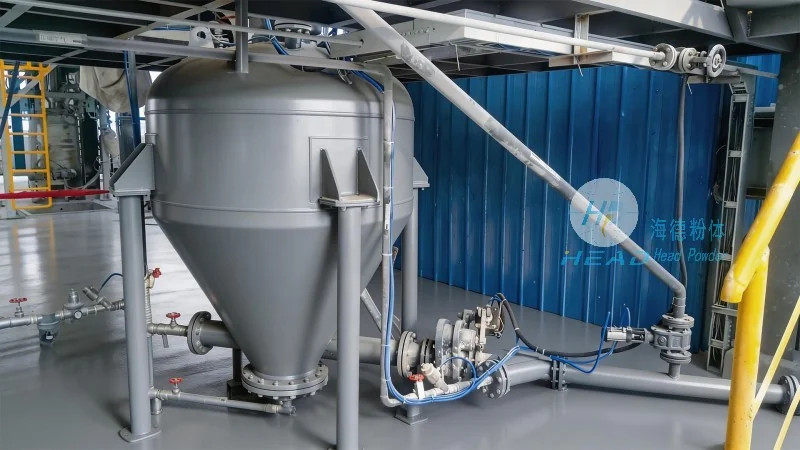
Shandong HeadPowder Engineering Co., Ltd. specializes in designing and manufacturing advanced pneumatic conveying systems tailored to handle secondary zinc oxide. The company's approach focuses on integrating multiple dust prevention mechanisms to create a comprehensive solution. Key components include high-quality seals, pressure vessels with optimized design, and advanced filtration systems. For instance, the company employs custom-designed sealing systems that minimize the gaps between components, reducing the likelihood of dust escape. The pressure vessels are constructed with materials that resist corrosion and wear, ensuring long-term durability under the abrasive conditions of zinc oxide transport.
Advanced Sealing Technologies for Pneumatic Conveying
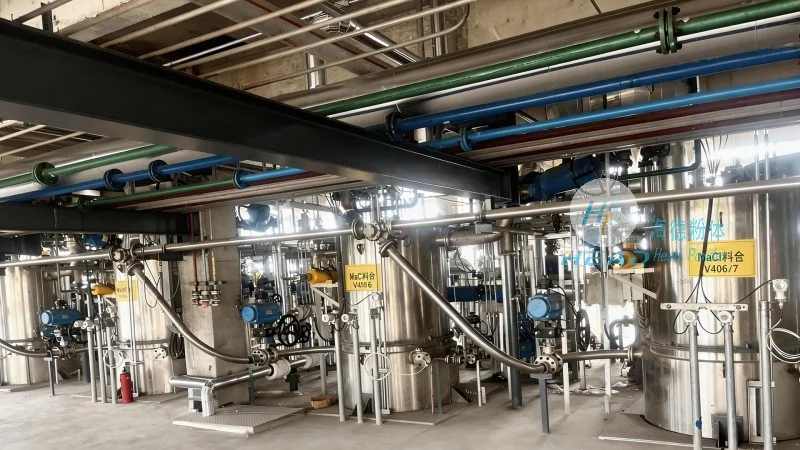
One of the core technologies used by HeadPowder to prevent dust leakage is advanced sealing mechanisms. These include dynamic seals that adjust to pressure changes and static seals that provide a tight barrier between system components. The seals are made from materials such as PTFE or specialized elastomers that are resistant to the chemical properties of zinc oxide, preventing degradation over time. Additionally, the company incorporates redundancy in sealing systems, ensuring that even if one seal fails, another component can maintain the integrity of the system. This approach enhances reliability and reduces the risk of unexpected dust leakage during operation.
Optimized System Design for Reduced Leakage
The overall system design by HeadPowder is optimized to minimize dust leakage points. The layout of the conveying lines, including bends and transitions, is carefully engineered to reduce turbulence and pressure drops that can cause particles to escape. The use of smooth, non-porous surfaces in the system components also helps to prevent dust accumulation and subsequent leakage. Furthermore, the company employs a modular design approach, allowing for easy maintenance and replacement of components without disrupting the entire system. This design philosophy ensures that the system remains efficient and reliable over its operational life.
Integration of Filtration Systems for Complete Dust Control
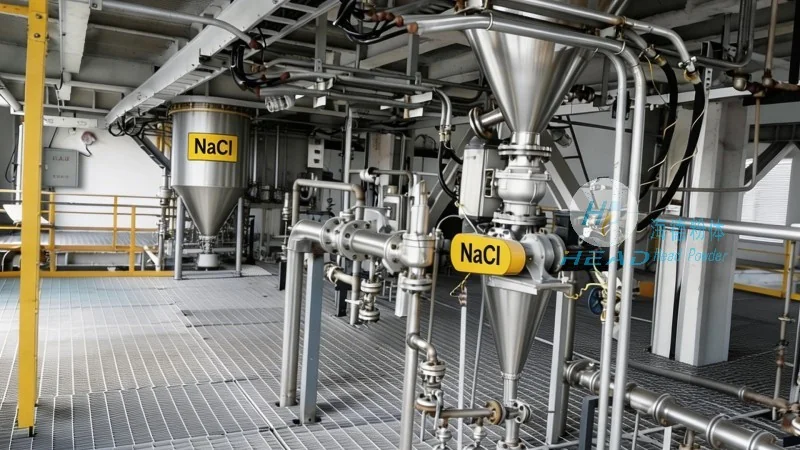
In addition to sealing and system design, HeadPowder integrates advanced filtration systems to capture any dust that may escape the primary containment. These systems typically include high-efficiency particulate air (HEPA) filters or other specialized filtration media that can capture particles as small as microns. The filtration units are strategically placed at the discharge end of the system or in the exhaust lines to ensure that all airborne particles are captured before they are released into the environment. The company also provides regular maintenance services for these filtration systems, ensuring that they remain effective throughout the system's operation. This comprehensive approach to filtration complements the sealing and design features, providing a multi-layered defense against dust leakage.
Case Studies and Real-World Applications
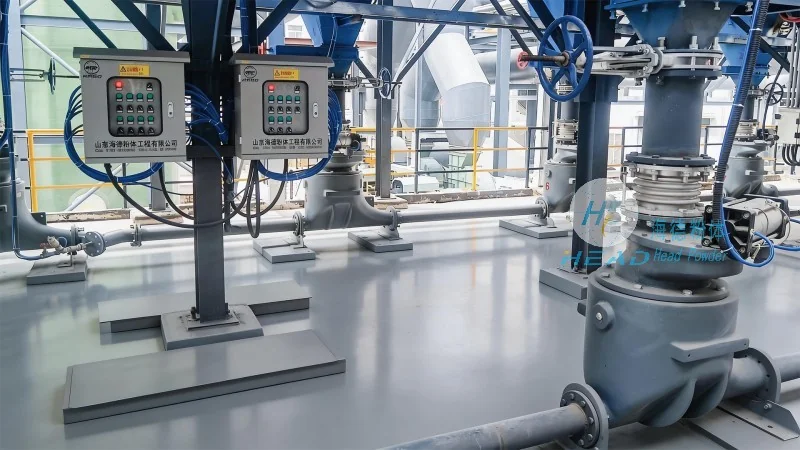
HeadPowder has successfully implemented its dust prevention solutions in various industrial settings. For example, a client in the chemical processing industry was experiencing significant dust leakage from their pneumatic conveying system used for secondary zinc oxide. After installing HeadPowder's advanced sealing and filtration systems, the client reported a 90% reduction in dust emissions and improved operational efficiency. Another case involved a mining operation where the system was used to transport zinc oxide from a processing plant to storage facilities. The HeadPowder system not only prevented dust leakage but also increased the system's capacity by optimizing the flow of particles. These real-world applications demonstrate the effectiveness of the company's solutions in addressing the specific challenges of secondary zinc oxide transport.
Conclusion: Ensuring Safe and Efficient Pneumatic Conveying
Preventing dust leakage in pneumatic conveying systems for secondary zinc oxide is a critical aspect of industrial operations. Shandong HeadPowder Engineering Co., Ltd. offers comprehensive solutions that combine advanced sealing technologies, optimized system design, and effective filtration to address this challenge. By focusing on the specific properties of zinc oxide and the operational requirements of the client, HeadPowder provides tailored systems that ensure safe, efficient, and compliant operation. The company's commitment to quality and innovation has made it a trusted partner in the industry for dust control in pneumatic conveying applications.




