HeadPowder Engineering Co., Ltd., headquartered in Shandong, China, specializes in the development and implementation of advanced pneumatic conveying systems engineered for the efficient transport of bulk materials like stones and coal. These systems represent a cornerstone technology in material handling, offering a dust-free, automated solution to move particulate materials over varying distances and within diverse industrial environments. The core of these systems is the utilization of air pressure or vacuum to create a flow that carries the material particles, making them particularly valuable where traditional mechanical conveyors may face limitations due to material properties or operational constraints.
Principle of Pneumatic Conveying Systems
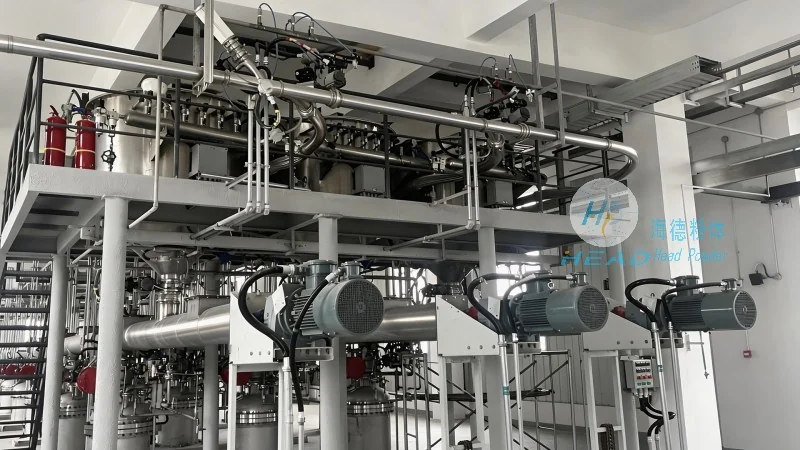
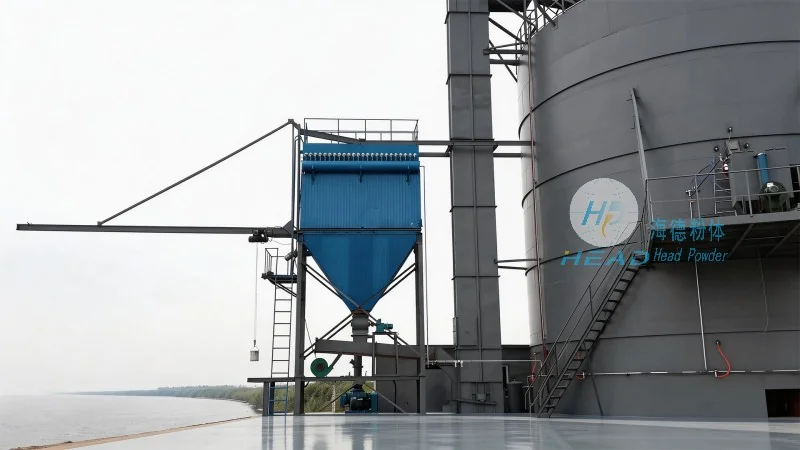
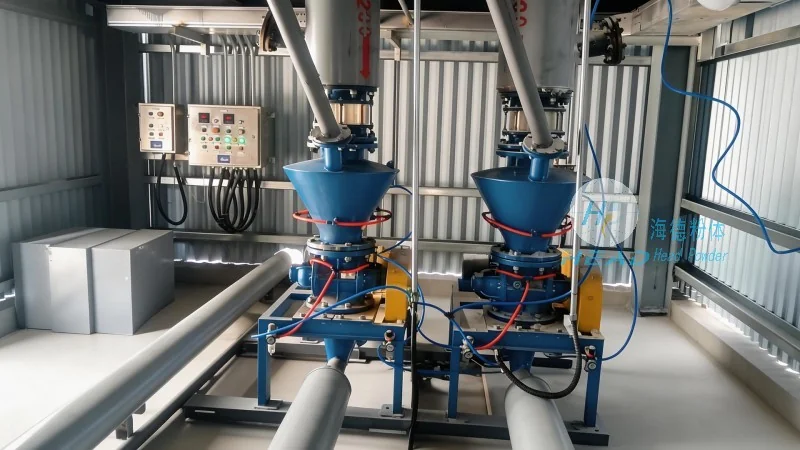
The fundamental principle of pneumatic conveying systems revolves around the use of compressed air or a vacuum to generate a flow of air that suspends and transports material particles. Two primary system types exist: suction (vacuum) systems and pressure systems. Suction systems create a vacuum at the material source to draw the material into the conveying line, making them ideal for short to medium distances and relatively dry, free-flowing materials. Pressure systems, on the other hand, use compressed air to push the material through the line, suitable for longer distances, higher material loads, or when dealing with more abrasive or moisture-rich materials. The system typically comprises a hopper or feeder to introduce the material, a conveying line (often metal or flexible tubing), and a receiver or discharge point. Air flow is regulated by valves, regulators, and filters to maintain optimal performance and prevent system blockages or material degradation.
Working Scene Characteristics of Stone and Coal Pneumatic Conveying Systems
The working scene characteristics of these systems are tailored to the specific demands of the stone and coal industries. In stone processing facilities, the systems are designed to handle crushed aggregates, sand, and gravel, requiring high-velocity air flow to maintain particle suspension and prevent clogging. The equipment is constructed with wear-resistant components, such as liners and seals, to withstand the abrasive nature of these materials. For coal mining and processing, the systems address challenges like moisture content, dust generation, and the need to transport material from storage silos to processing units or for loading into trucks and ships. Integration with dust collection and filtration systems is common to meet environmental regulations and ensure worker safety. The flexibility of pneumatic conveying allows for multi-line integration, where materials from different sources are consolidated to a single destination, optimizing flow and reducing transfer points. This is particularly beneficial in large-scale operations where material is sourced from multiple locations.
Advantages and Industrial Applications
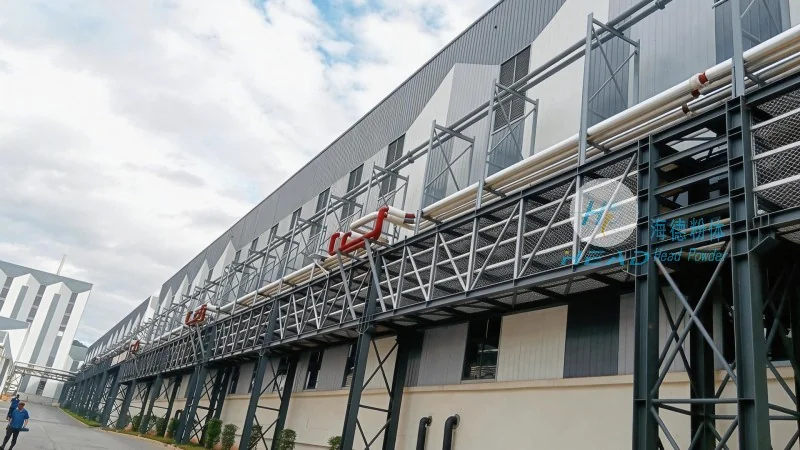
HeadPowder's pneumatic conveying systems for stone and coal offer distinct advantages over traditional methods. Unlike mechanical conveyors, they minimize material degradation due to reduced friction and lack of direct contact with moving parts. Maintenance is also reduced as there are fewer components prone to wear, such as belts or chains. The ability to transport materials vertically, horizontally, or in a combination of both directions provides greater layout flexibility. Integration with automation and control systems enables real-time monitoring of flow rates, pressure, and air consumption, enhancing operational efficiency and allowing quick adjustments to production demands. In stone quarries, these systems transport raw materials from crushers to stockpiles or feed grinding mills. In coal mines, they move coal from extraction points to surface processing facilities or for loading into transportation vessels. The systems are also adaptable for applications requiring dust-free environments, though the primary focus here is on the stone and coal sectors. Overall, the systems provide a reliable, efficient, and cost-effective solution for bulk material handling in industrial settings.




