Mineral particle pneumatic conveying systems represent a sophisticated technology designed to transport bulk materials through a pipeline using air or gas as the conveying medium. The core principle of these systems lies in the efficient transfer of solid particles, such as minerals, powders, or granules, from one location to another without the need for mechanical components like belts or buckets. This method leverages the force of air to suspend and propel the material, offering advantages in terms of hygiene, speed, and flexibility in industrial applications.
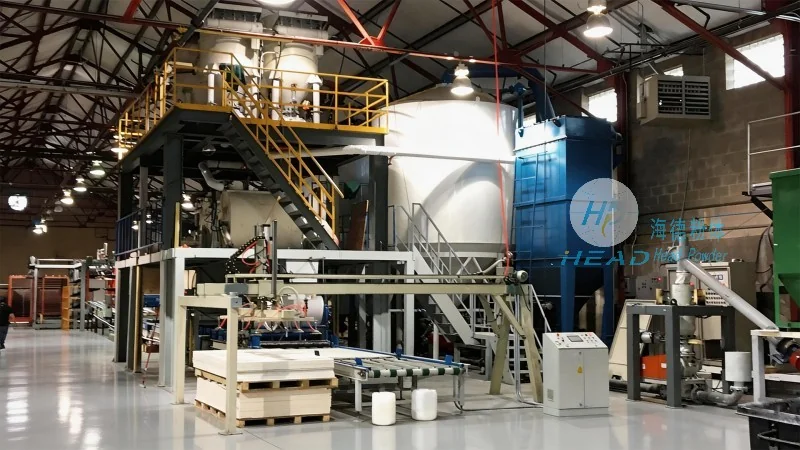
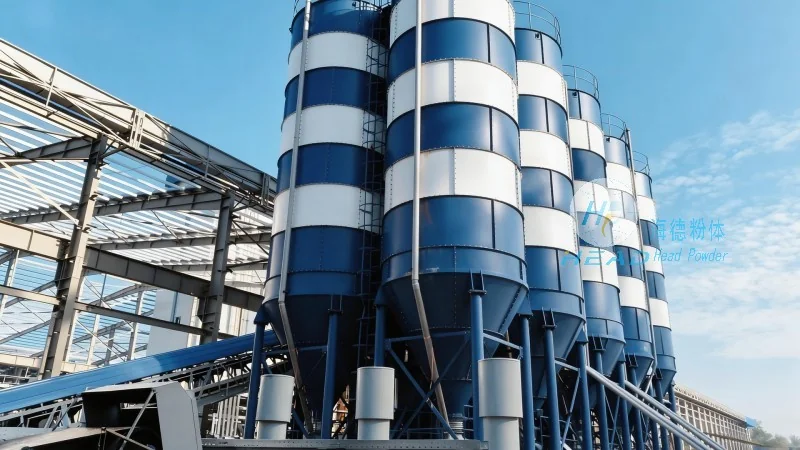
Principle of Mineral Particle Pneumatic Conveying Systems
The fundamental principle of pneumatic conveying involves creating a pressure differential or using suction to move the material. In pressure systems, air is compressed and introduced into the conveying line at the inlet, where it mixes with the material to form a dense or dilute phase stream. The material is then carried through the pipeline to the discharge point. Suction systems, on the other hand, draw material into the system using a vacuum at the discharge end, pulling the material through the line. The choice between pressure and suction depends on factors like the material's properties, distance to be conveyed, and system layout. The system typically includes components such as a feeder, a conveying line, a separator, and a receiver. The feeder ensures a consistent flow of material into the system, while the separator removes the air from the material stream, allowing the material to be collected in the receiver. This process minimizes material degradation and ensures a clean transfer, which is crucial for sensitive mineral products.
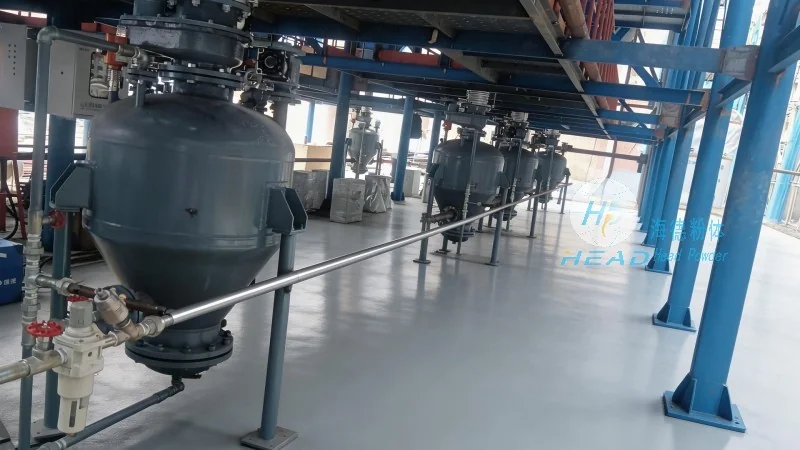
Working Scene Characteristics of Pneumatic Conveying Systems
The working scene characteristics of mineral particle pneumatic conveying systems are tailored to meet the diverse needs of industrial environments. These systems are commonly employed in mining, chemical, food, and pharmaceutical industries, where the transport of bulk materials requires precision and efficiency. The flexibility of pneumatic conveying allows for the handling of various particle sizes, from fine powders to coarse granules, making it suitable for a wide range of mineral applications. One key characteristic is the ability to convey materials over long distances without the need for intermediate storage or transfer points, which reduces operational costs and improves process efficiency. Additionally, the system's design can be adapted to handle different material densities and flow rates, ensuring optimal performance under varying conditions. The working environment is typically clean and dust-free, as the enclosed pipeline prevents material spillage and contamination, which is essential for industries where product purity is paramount. The systems also offer the advantage of being able to transport materials vertically, horizontally, or in a combination of both, providing versatility in plant layout and material handling strategies.
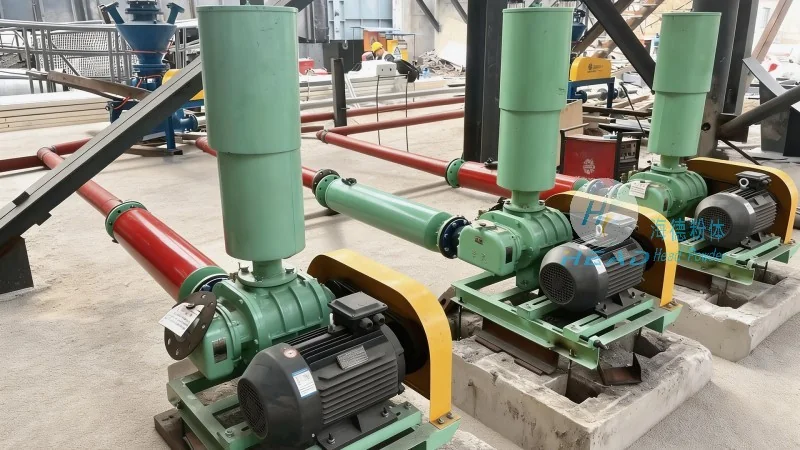
Company Overview: Shandong HeadPowder Engineering Co., Ltd.
Shandong HeadPowder Engineering Co., Ltd., operating under the brand name headpowder, specializes in the design, manufacturing, and installation of advanced pneumatic conveying systems for mineral processing and bulk material handling. With a focus on innovation and customer-centric solutions, the company has established itself as a leader in the industry, providing high-quality equipment that meets the stringent requirements of modern industrial operations. The company's expertise lies in understanding the unique challenges of mineral particle transport and developing customized solutions that enhance productivity and reduce operational costs. Based in Shandong, China, headpowder leverages local manufacturing capabilities and global market insights to deliver reliable and efficient pneumatic conveying systems to clients worldwide. The company's commitment to quality and customer satisfaction is reflected in its adherence to international standards and continuous improvement initiatives, ensuring that each system is built to withstand the demands of heavy-duty industrial use.




