Textile fiber powder handling systems are specialized equipment designed to manage the transportation, storage, and processing of textile fibers in powder form. These systems are crucial in the textile manufacturing industry, ensuring efficient and safe handling of materials like cotton, polyester, nylon, and other synthetic fibers. The design principles behind such systems focus on optimizing material flow, maintaining product quality, and enhancing operational efficiency. Developed by Shandong HeadPowder Engineering Co., Ltd., a leading manufacturer based in China, these systems are engineered to meet the specific needs of the textile industry.
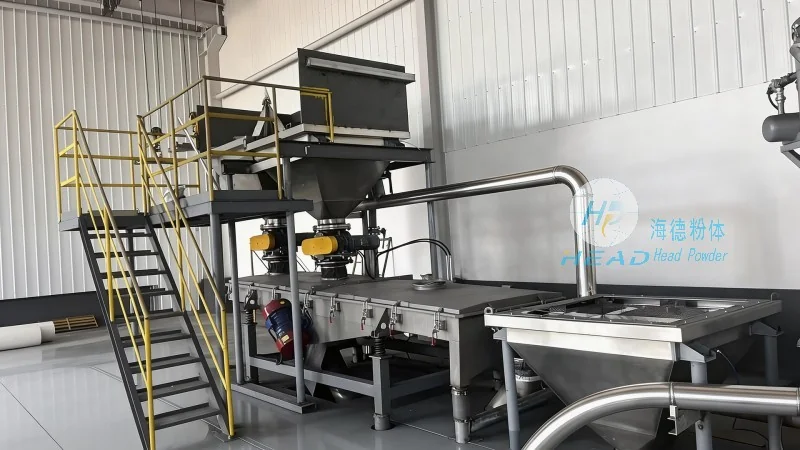
Understanding the Core Components of a Textile Fiber Powder Handling System
The textile fiber powder handling system typically consists of several key components that work in tandem to achieve seamless material handling. These components include feeders, conveyors, storage silos, and control systems. Each component is engineered to address specific challenges in handling fine, lightweight, and often abrasive textile fibers. For instance, feeders are designed to evenly distribute the powder, preventing clumping or segregation, which can affect downstream processing. Conveyors, such as pneumatic or mechanical systems, transport the fibers from one stage to another, while storage silos provide bulk storage, ensuring a consistent supply of material.
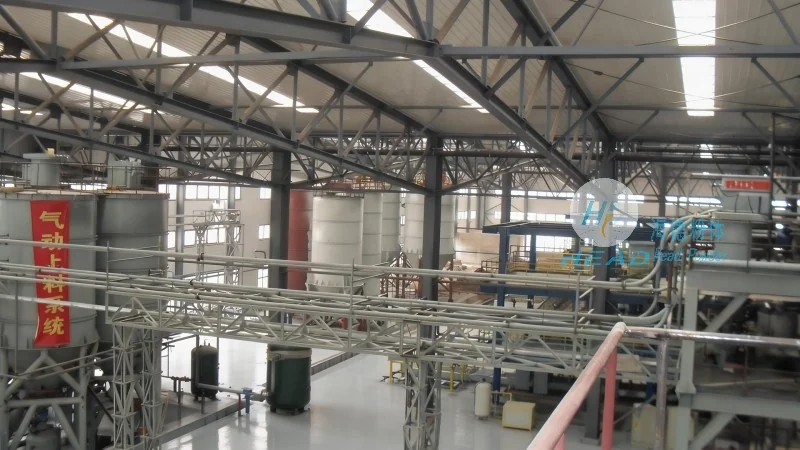
Design Principles for Efficient Fiber Handling
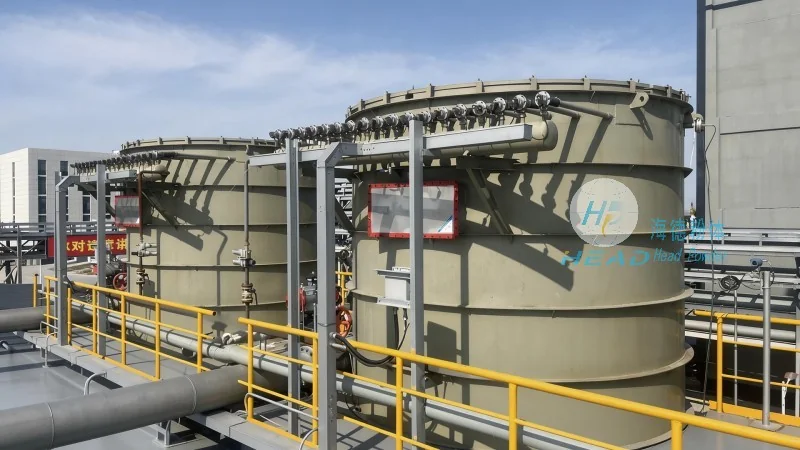
The design principles of a textile fiber handling system are centered on several critical factors. First, the system must minimize material degradation, which is a common issue with delicate fibers. This involves using gentle handling mechanisms, such as low-speed augers or air slides, to prevent fiber breakage or damage. Second, the system needs to maintain material homogeneity, ensuring that the fiber blend remains consistent throughout the handling process. This is achieved through proper mixing and blending mechanisms integrated into the system. Third, the system must address the challenges posed by fiber dust and airborne particles, implementing dust collection and filtration systems to maintain a safe and clean working environment.
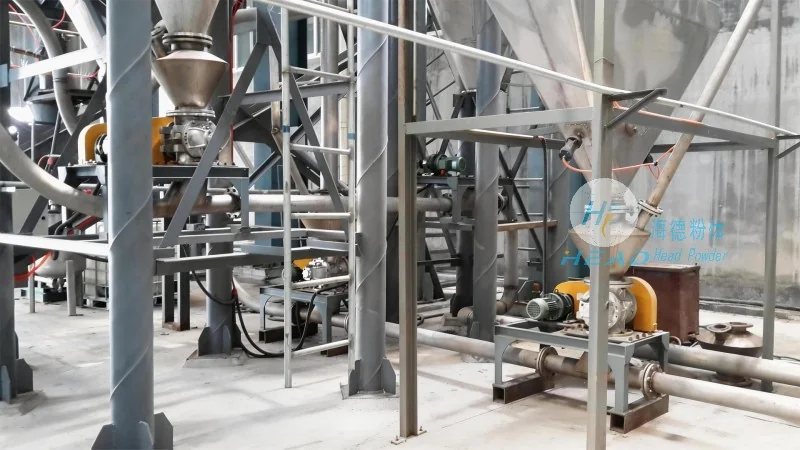
Key Design Considerations for Optimal Performance
When designing a textile fiber powder handling system, engineers must consider several factors to ensure optimal performance. One of the primary considerations is the material's physical properties, including its density, moisture content, and flowability. These properties influence the choice of conveyor type and the design of the feeding mechanisms. For example, fibers with low bulk density may require air-assisted conveying systems to achieve efficient transport. Another critical factor is the system's scalability, allowing for future expansion or integration with other processing equipment. This involves designing modular components that can be easily added or modified without disrupting the entire system.
Application of Textile Fiber Powder Handling Systems
Textile fiber powder handling systems are widely used in various stages of textile production, from raw material storage to processing and finishing. In the raw material stage, these systems help in storing and distributing raw fibers to spinning machines, ensuring a steady supply of material. During processing, they assist in transferring fibers between different processing units, such as carding, drawing, and spinning. In the finishing stage, the systems are used to handle fibers for dyeing, printing, and finishing operations. The consistent and efficient handling of fibers through these systems is essential for maintaining product quality and reducing waste.
Conclusion
In summary, a textile fiber powder handling system is a sophisticated piece of equipment designed to efficiently manage the transportation and processing of textile fibers in powder form. The design principles behind such systems prioritize material quality, operational efficiency, and safety. By integrating advanced components and adhering to careful engineering practices, these systems ensure that textile manufacturers can handle their materials effectively, leading to improved product quality and reduced operational costs. Shandong HeadPowder Engineering Co., Ltd., with its headquarters in Shandong, China, specializes in the design and manufacturing of such systems, providing tailored solutions for the textile industry.




