When it comes to handling dust and fly ash, the choice of conveying method is critical for efficiency, safety, and environmental compliance. Various techniques are available, each with its own set of advantages and limitations. Understanding these options helps industrial facilities select the most suitable solution for their specific needs.
Common Conveying Methods for Dust and Fly Ash
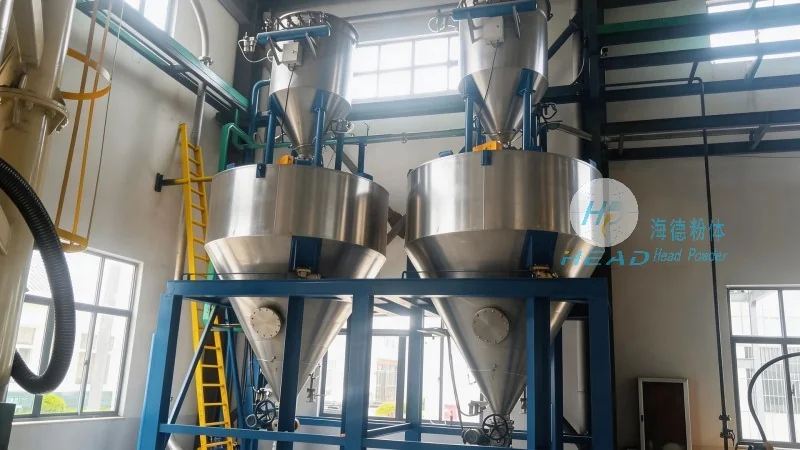
Traditional methods for transporting dust and fly ash include gravity-based systems, mechanical conveyors like belt or screw conveyors, and pneumatic conveying systems. Each method has distinct characteristics that influence its application in different industrial settings.
Pneumatic Conveying: The Preferred Solution for Many Applications
Among the various options, pneumatic conveying stands out as a highly effective and versatile method for transporting dust and fly ash. This technology uses compressed air or gas to move material through a pipeline, eliminating the need for mechanical components that can wear out or cause maintenance issues. The process is typically clean, as it keeps the material contained within the system, reducing dust emissions and improving workplace safety.
Key Advantages of Pneumatic Conveying for Dust and Fly Ash
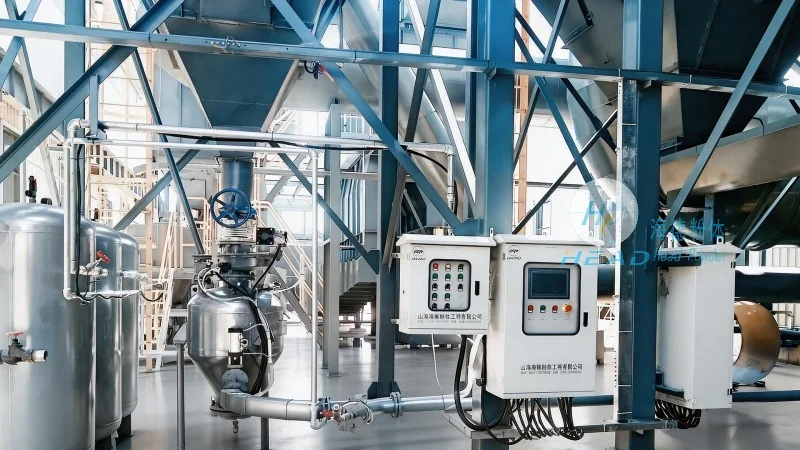
There are several key advantages that make pneumatic conveying an attractive choice for dust and fly ash handling. First, it offers high efficiency in terms of material transport speed and capacity. The system can handle large volumes of material quickly and reliably, which is essential for continuous production processes. Second, it provides excellent control over the material flow, allowing for precise dosing and distribution. This is particularly important in applications where the material needs to be delivered to specific locations or processed further. Third, pneumatic conveying is environmentally friendly. By containing the material within the pipeline, it minimizes dust dispersion into the environment, reducing the risk of air pollution and ensuring compliance with environmental regulations. Fourth, the system is flexible and can be easily adapted to different layouts and operational requirements. It can be integrated with existing infrastructure or expanded as the facility grows. Finally, the maintenance requirements for pneumatic conveying systems are generally lower compared to mechanical systems, as there are fewer moving parts that can fail or require regular servicing.
How Pneumatic Conveying Works in Practice
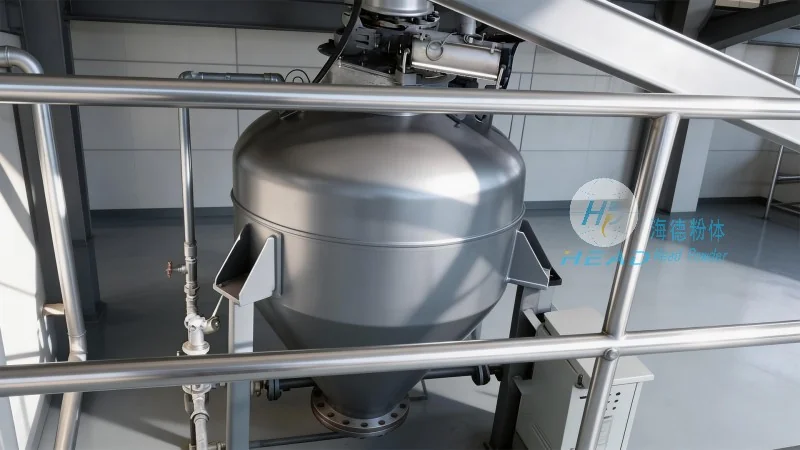
At its core, a pneumatic conveying system consists of a pipeline, a material feed hopper, a blower or compressor to generate the air flow, and a discharge point where the material is released. The material is introduced into the hopper and then drawn into the pipeline by the moving air. The air flow carries the material through the system, and it is discharged at the end of the pipeline. The system can be designed as a dilute-phase or dense-phase system, depending on the material properties and the required transport distance. Dilute-phase systems use higher air velocities to move material in a more dispersed state, while dense-phase systems use lower velocities to move material in a more concentrated state, which is suitable for longer distances or more sensitive materials.
Applications of Pneumatic Conveying for Dust and Fly Ash
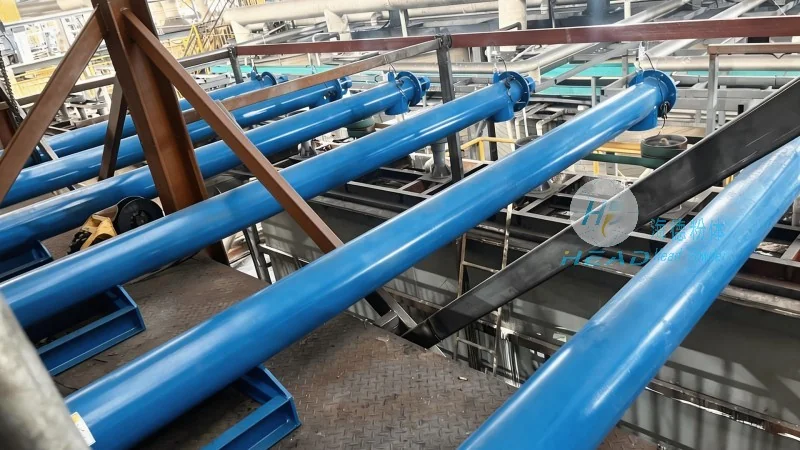
Pneumatic conveying is widely used in various industries for handling dust and fly ash. In power plants, it is used to transport fly ash from the boiler to the storage silos or to other processing units. In cement and mineral processing plants, it is used to convey raw materials, cement, and other powders. In industrial facilities that generate dust from processes like grinding or crushing, pneumatic conveying is used to move the material to collection systems or storage areas. The versatility of the system makes it suitable for a wide range of applications, from small-scale operations to large industrial plants.
Conclusion: Choosing the Right Conveying Method for Dust and Fly Ash
When selecting a conveying method for dust and fly ash, it is important to consider factors such as material properties, transport distance, required capacity, and environmental regulations. Pneumatic conveying offers significant advantages in terms of efficiency, control, and environmental impact, making it a popular choice for many applications. However, it is essential to evaluate the specific needs of the facility and consult with experts to determine the most suitable system. By doing so, industrial facilities can ensure reliable and effective handling of dust and fly ash, while minimizing operational costs and environmental risks.




