For coffee processing facilities, efficient and reliable material handling is crucial to maintaining product quality and operational efficiency. Among the various methods available, pneumatic conveying systems offer a versatile solution for transporting coffee beans from one stage of production to another. This article explores several effective solutions for coffee bean pneumatic conveying, highlighting the advantages and considerations of each approach.
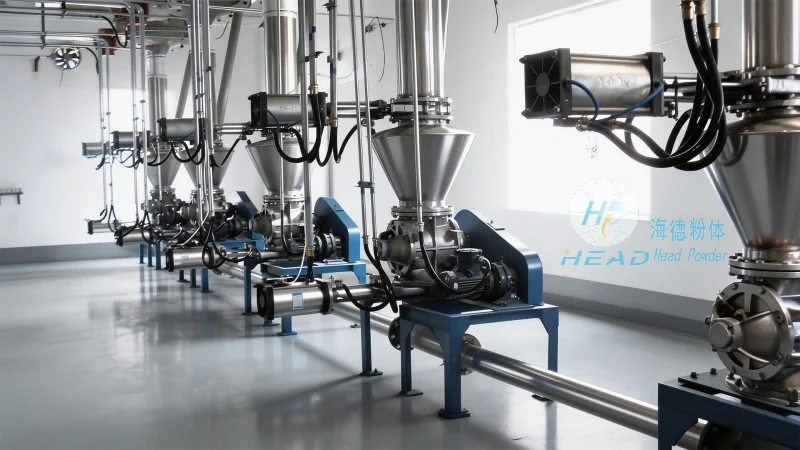
Understanding the Challenges of Coffee Bean Conveying
Coffee beans are typically irregularly shaped, with varying sizes and densities. They may also contain moisture, which can affect the performance of traditional mechanical conveyors. Additionally, the need to maintain product integrity and prevent contamination is paramount in the coffee industry. These factors make pneumatic conveying an attractive option, as it can handle delicate materials while minimizing the risk of breakage or contamination.
Option 1: Positive Pressure Pneumatic Conveying
Positive pressure systems use a blower or fan to generate air pressure that pushes the coffee beans through a pipeline. This method is well-suited for short to medium distance conveying and is effective for handling fine or powdery materials. In the context of coffee bean processing, positive pressure systems can be used to transport beans from storage silos to processing equipment or for moving finished products to packaging areas. The primary advantage of this approach is its ability to handle high volumes of material with minimal maintenance. However, it may require more energy compared to other systems and can be less effective for long-distance conveying due to pressure drop over distance.
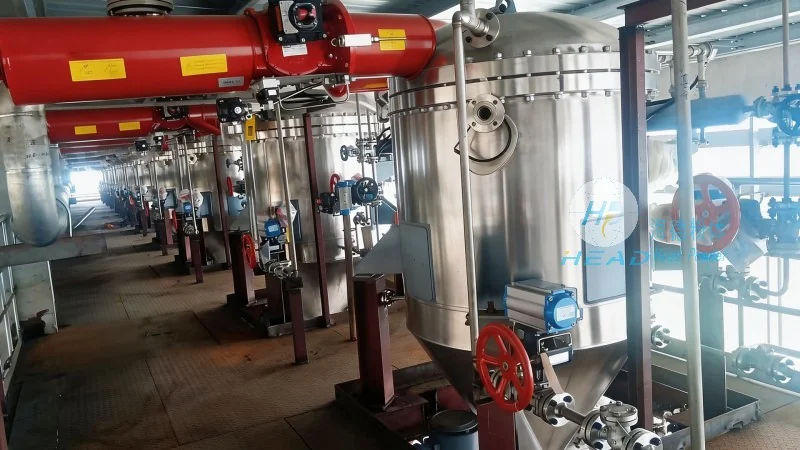
Option 2: Negative Pressure (Vacuum) Pneumatic Conveying
Negative pressure systems create a vacuum in the pipeline, drawing coffee beans into the system using a vacuum pump. This method is ideal for applications requiring gentle handling, such as transporting beans from a hopper to a grinder or for moving materials over longer distances. The vacuum approach is particularly useful when dealing with materials that are prone to bridging or clogging in a positive pressure system. It also allows for more flexible pipeline routing, as the vacuum can pull material from multiple sources into a single collection point. The main drawback is that it may not be as efficient for high-volume, high-speed conveying, as the vacuum pump must work harder to maintain the required pressure.
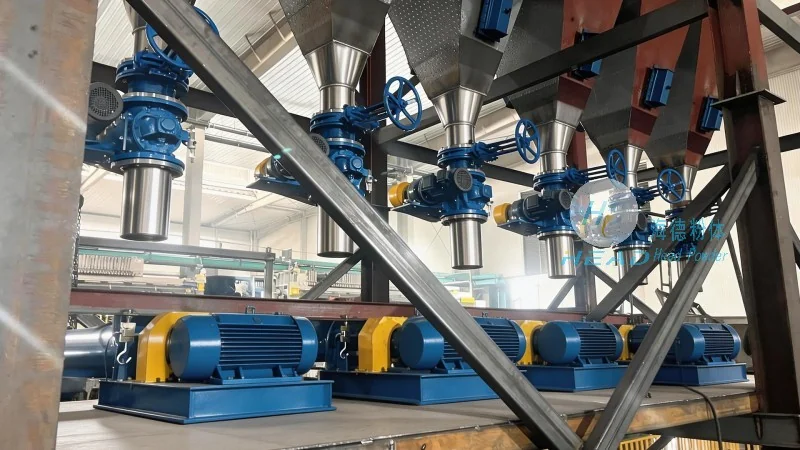
Option 3: Hybrid (Combined) Pneumatic Conveying
Hybrid systems combine elements of both positive and negative pressure systems to optimize performance. For example, a system might use a positive pressure blower to move material from a central point to a series of collection points, while a vacuum pump is used to return the air to the blower, creating a closed-loop system. This approach is particularly effective for complex conveying networks, such as those found in large coffee processing plants. The hybrid system can handle both short and long distances, providing flexibility and efficiency. It also reduces energy consumption compared to running separate positive and negative pressure systems, as the air is recirculated rather than being exhausted.
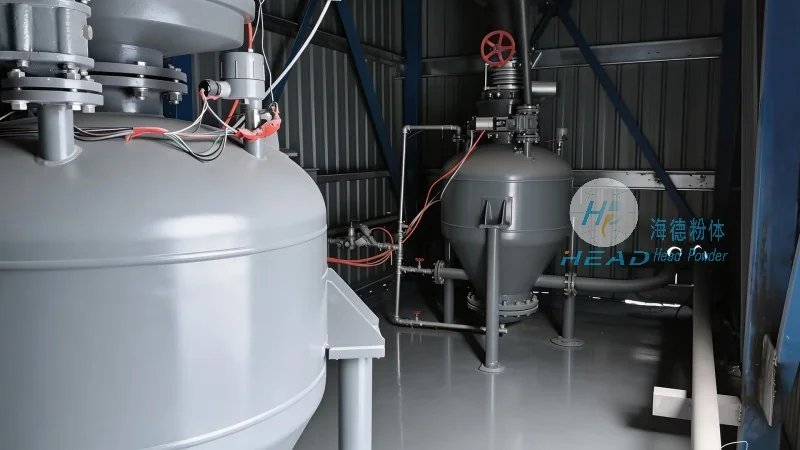
Key Considerations for Choosing a System
When selecting a pneumatic conveying system for coffee bean handling, several factors must be considered. The first is the distance and layout of the conveying network, as this will determine whether a positive, negative, or hybrid system is most appropriate. The second is the volume and characteristics of the coffee beans, including size, moisture content, and density. These factors will influence the system's capacity and the type of equipment required. Additionally, the need for gentle handling and minimal product degradation is critical, as coffee beans are sensitive to pressure and impact. The system should also be easy to clean and maintain to ensure consistent performance and compliance with food safety regulations.
Conclusion
Choosing the right pneumatic conveying system for coffee bean processing is essential to ensure efficient operations and maintain product quality. Whether using positive pressure, negative pressure, or a hybrid approach, the key is to select a system that matches the specific requirements of the facility. By considering factors such as distance, material characteristics, and handling needs, coffee processing companies can implement a reliable and effective conveying solution. As a leading provider of engineering solutions for the food industry, Shandong HeadPowder Engineering Co., Ltd. specializes in designing and manufacturing customized pneumatic conveying systems tailored to the unique needs of coffee bean processing. With years of experience and a commitment to quality, HeadPowder offers innovative solutions that enhance productivity and ensure the highest standards of product integrity.




