For businesses in the rice processing industry, selecting the right equipment for material handling is crucial. Among the various options available, the rice pneumatic conveying system stands out as a highly efficient and versatile solution. This article aims to explain what a rice pneumatic conveying system equipment is and delve into its core design principles, providing a comprehensive overview for potential users.
Understanding the Rice Pneumatic Conveying System
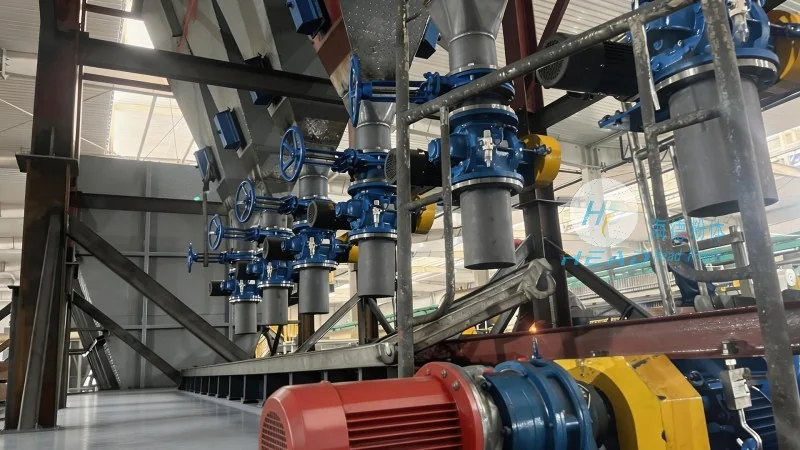
A rice pneumatic conveying system is a mechanical device that uses air pressure to transport rice and other granular materials from one location to another. Unlike traditional methods such as belt conveyors or bucket elevators, this system operates by creating a flow of air that carries the rice particles through a pipeline network. The system typically consists of several key components, including a hopper for material storage, a blower or air compressor to generate the air flow, a pipeline system to guide the material, and a discharge point where the rice is released. The entire setup is designed to ensure smooth, continuous, and dust-free transfer of rice, making it ideal for applications in rice mills, processing plants, and storage facilities.
Key Components of the System
The effectiveness of a rice pneumatic conveying system largely depends on its well-designed components. Each part plays a critical role in the overall operation. The hopper is the initial storage unit where raw rice is placed. It is equipped with a feeding mechanism, such as a rotary valve or a screw feeder, which controls the flow of rice into the system. The blower or air compressor is the heart of the system, responsible for generating the necessary air pressure and flow rate. It can be either positive displacement or centrifugal, depending on the system's capacity and requirements. The pipeline system is made of materials like stainless steel or plastic, chosen for their durability and resistance to corrosion from the rice particles. The discharge point is where the rice is collected after traveling through the pipeline, often equipped with a filter or separator to remove any air or debris before the rice is deposited into a container or processing unit.
Design Principles of the Rice Pneumatic Conveying System
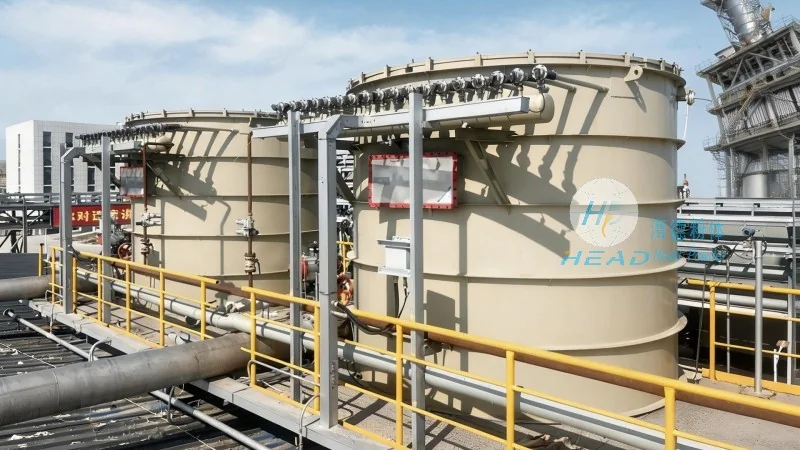
The design of a rice pneumatic conveying system follows several fundamental principles to ensure optimal performance and efficiency. The first principle is the Bernoulli principle, which states that as the velocity of a fluid increases, its pressure decreases. In the context of the system, this principle is applied by creating a low-pressure zone in the pipeline where the rice is drawn into the air stream. The second principle is the use of appropriate air velocity. The air velocity must be high enough to lift and transport the rice particles but not so high as to cause excessive wear on the system components or degrade the rice quality. The system's design typically considers the specific gravity and particle size of the rice to determine the optimal air velocity and pressure. Another critical design principle is the prevention of material degradation. The system is designed to minimize friction and impact, which can cause the rice to break or become damaged. This is achieved through smooth pipeline surfaces and gentle bends, as well as the use of air filters to remove any abrasive particles from the air stream. Additionally, the system is designed for easy maintenance and cleaning, with features such as removable sections and self-cleaning mechanisms to prevent clogging and ensure long-term operation.
Benefits of Using a Rice Pneumatic Conveying System
Implementing a rice pneumatic conveying system offers numerous advantages for rice processing operations. One of the primary benefits is the reduction in labor costs and manual handling. The system automates the material transfer process, reducing the need for workers to move heavy bags or containers, thereby improving safety and efficiency. Another significant benefit is the improvement in product quality. By minimizing handling and reducing the risk of contamination or breakage, the system helps maintain the rice's integrity and quality, which is essential for meeting market standards and customer expectations. The system also contributes to better space utilization. Unlike traditional conveyors that require large horizontal or vertical spaces, the pneumatic system can be installed in a compact area, making it suitable for facilities with limited space. Furthermore, the system is highly flexible and can be easily integrated with other processing equipment, allowing for seamless workflow and increased productivity. The dust control features of the system also contribute to a cleaner working environment, reducing the risk of respiratory issues for workers and minimizing the need for additional dust suppression measures.
Application Examples in Rice Processing
The versatility of the rice pneumatic conveying system makes it suitable for a wide range of applications in the rice processing industry. One common application is the transfer of raw rice from storage silos to processing units, such as hullers or polishers. The system efficiently moves the rice from the silo to the processing line, ensuring a continuous supply of material. Another application is the transfer of milled rice from the polishing stage to packaging machines. The system can handle the milled rice with precision, preventing any loss or contamination during the transfer process. Additionally, the system is used in the transfer of by-products, such as bran or hulls, from the processing line to storage or disposal areas. The system's ability to handle different materials with the same setup makes it a cost-effective solution for various processing stages. In large-scale rice mills, the system can be integrated into a larger material handling network, connecting multiple processing units and storage areas to create an efficient and automated workflow.
Maintenance and Operational Considerations
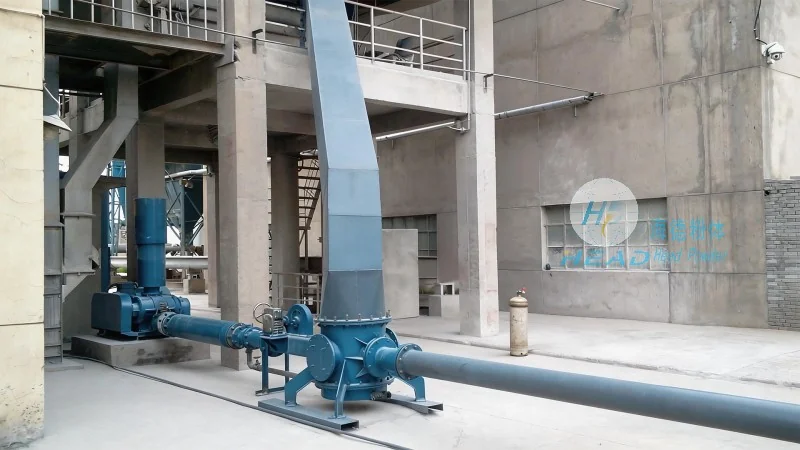
To ensure the long-term performance and reliability of a rice pneumatic conveying system, proper maintenance and operational considerations are essential. Regular maintenance tasks include checking the air compressor or blower for proper operation, inspecting the pipeline for any signs of wear or damage, and cleaning the filters and separators to prevent clogging. The system's components, such as the hopper and feeding mechanisms, should also be inspected regularly for any signs of wear or blockage. Operational considerations include monitoring the air pressure and flow rate to ensure they are within the optimal range for the system's design. Adjustments may be needed based on the type and quantity of rice being processed. Additionally, the system should be operated within the manufacturer's specified parameters to avoid overloading or damaging the components. Proper training of operators is also crucial to ensure the system is used correctly and safely. By following these maintenance and operational guidelines, the system can operate efficiently for many years, providing reliable performance and minimizing downtime.
Conclusion
In conclusion, a rice pneumatic conveying system equipment is a sophisticated and efficient solution for material handling in the rice processing industry. Its design, based on fundamental principles such as air flow and material properties, ensures smooth and continuous transfer of rice while maintaining product quality. The system's components are carefully engineered to work together, providing a reliable and versatile solution for various applications. For businesses in the rice industry, investing in a well-designed pneumatic conveying system can lead to improved efficiency, reduced costs, and enhanced product quality. As a leading manufacturer in this field, Shandong HeadPowder Engineering Co., Ltd., based in China, specializes in providing high-quality rice pneumatic conveying systems tailored to the specific needs of rice processing operations. With their expertise and commitment to quality, they offer reliable solutions that help businesses optimize their material handling processes and achieve greater productivity.




