Sodium hypochlorite is a widely used chemical in various industrial and commercial applications, particularly in water treatment, disinfection, and cleaning processes. The efficient and safe transportation of sodium hypochlorite powder is crucial for maintaining operational efficiency and ensuring product integrity. This article explores the principles behind sodium hypochlorite powder conveying lines and highlights the key working scene characteristics that define their effective application.
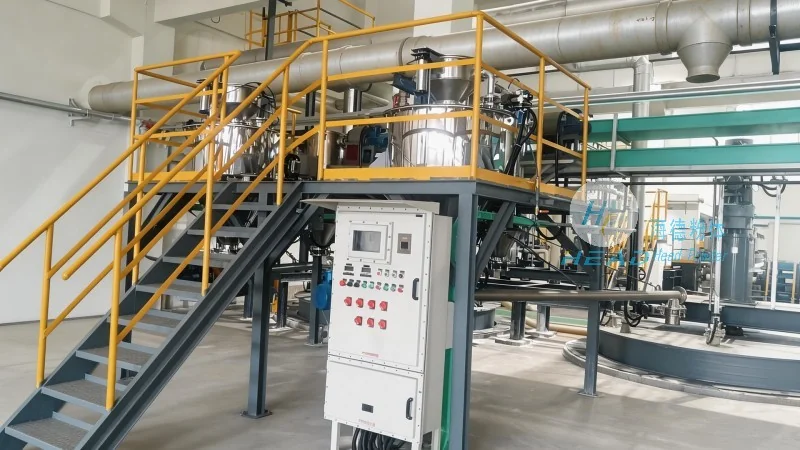
Core Principles of Sodium Hypochlorite Powder Conveying Systems
The operation of sodium hypochlorite powder conveying lines is based on several fundamental principles designed to handle the unique properties of this chemical. First, the system must address the hygroscopic nature of sodium hypochlorite, which can lead to clumping and clogging if not managed properly. To mitigate this, conveying systems often incorporate drying and conditioning mechanisms to maintain the powder's flowability. Second, the design must ensure minimal exposure to air and moisture to prevent premature degradation or loss of potency. This is typically achieved through sealed and insulated pipelines, as well as controlled environmental conditions within the conveying equipment. Third, the system must prioritize safety due to the corrosive and reactive properties of sodium hypochlorite. This includes the use of corrosion-resistant materials, such as stainless steel, for all components that come into contact with the powder, and the implementation of safety protocols to prevent accidental spills or leaks.
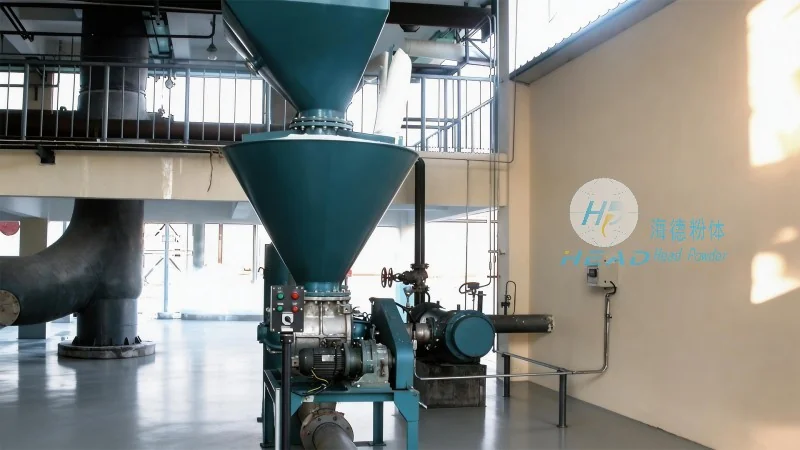
Working Scene Characteristics of Sodium Hypochlorite Powder Conveying Lines
The working scene characteristics of sodium hypochlorite powder conveying lines vary significantly based on the specific application and industrial environment. In water treatment facilities, for example, the system may be integrated into a larger chemical dosing process, where the powder is conveyed from storage silos to dosing points with high precision and reliability. The conveying speed and flow rate are critical in this scenario, as accurate dosing is essential for maintaining water quality standards. In contrast, in industrial cleaning applications, the system may be used to transport sodium hypochlorite to cleaning equipment, where the focus is on the ability to handle larger volumes and maintain consistent flow rates even under varying load conditions. Another key characteristic is the need for flexibility in the conveying line layout. Many industrial settings require the ability to reconfigure the system to accommodate changes in production processes or facility expansions. This is achieved through modular components and adjustable pipeline connections, allowing for easy reconfiguration without significant downtime.
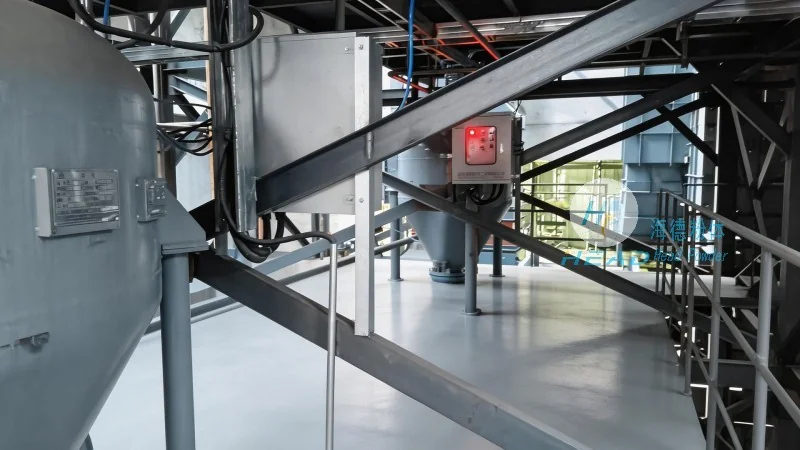
Key Components and Their Functions in the Conveying Line
Effective sodium hypochlorite powder conveying lines rely on a combination of specialized components that work in tandem to ensure optimal performance. The primary components include storage silos, which are designed to store the powder under controlled conditions, such as low humidity and temperature. These silos often feature agitators to prevent caking and maintain uniform powder consistency. From the silos, the powder is transferred to the conveying equipment, which may include screw conveyors, pneumatic conveyors, or a combination of both. Screw conveyors are commonly used for horizontal or slightly inclined transport, providing a continuous and gentle movement of the powder. Pneumatic conveyors, on the other hand, use air pressure to move the powder through pipelines, which is particularly effective for vertical or long-distance transport. The conveying line also includes control systems, such as flow meters and pressure sensors, which monitor the flow rate and pressure to ensure consistent operation. These systems allow for real-time adjustments to maintain the desired flow rate and prevent overloading or underloading of the equipment.
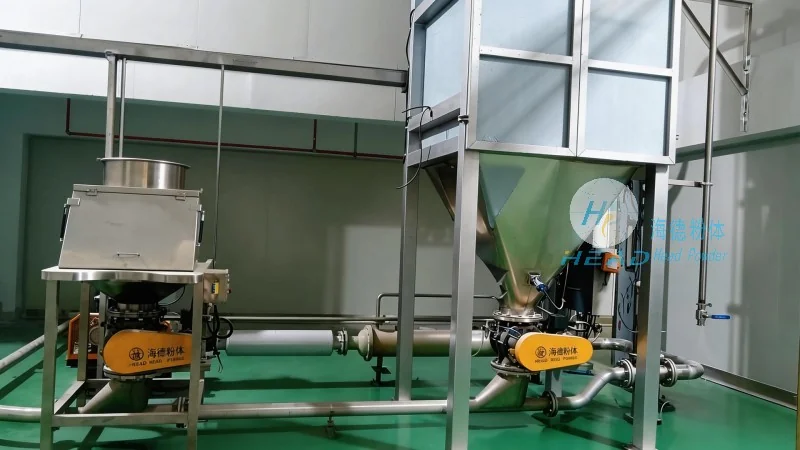
Advantages and Considerations for Implementing Sodium Hypochlorite Powder Conveying Lines
Implementing sodium hypochlorite powder conveying lines offers several advantages that enhance operational efficiency and product quality. One of the primary benefits is the ability to maintain a consistent flow rate, which is critical for applications requiring precise dosing or continuous processing. This consistency reduces the risk of product variability and ensures that the end product meets quality standards. Another advantage is the improved safety and hygiene, as the system minimizes direct human contact with the powder, reducing the risk of exposure to harmful chemicals. Additionally, the sealed and insulated design of the conveying line helps to maintain the powder's potency and prevent contamination from external sources. However, there are also considerations to keep in mind when implementing such systems. The initial investment cost can be significant due to the specialized equipment and materials required. Furthermore, the system requires regular maintenance to ensure optimal performance, as components such as seals and bearings may wear out over time. Proper training for operators is also essential to ensure the safe and efficient operation of the system.




