Activated carbon is a vital material in numerous industrial processes, including air purification, water treatment, and chemical synthesis. The efficient and reliable transportation of activated carbon from storage to processing units is crucial for maintaining production efficiency and product quality. Pneumatic conveying systems offer a solution by using air or gas to move bulk materials like activated carbon through pipelines. This article provides a technical analysis of activated carbon pneumatic conveying systems, focusing on the comparison between positive pressure and negative pressure conveying modes.
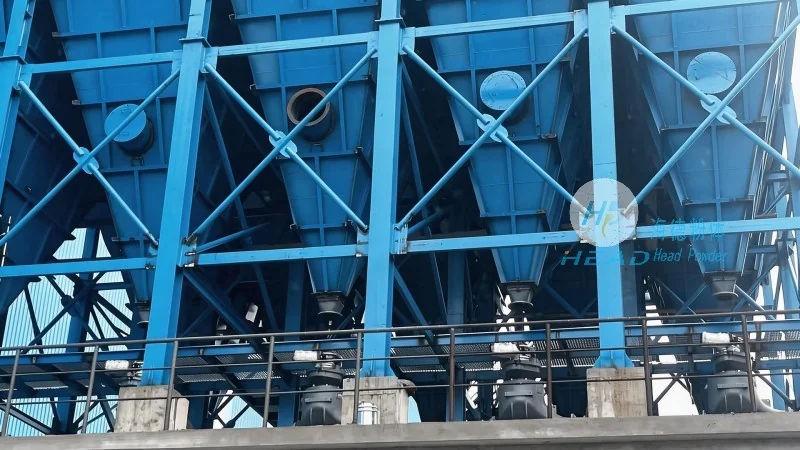
Overview of Pneumatic Conveying Systems for Activated Carbon
Pneumatic conveying systems are classified based on the pressure differential relative to the ambient environment. The two main modes are positive pressure and negative pressure systems. Both utilize air or gas to transport activated carbon, but they differ in operational principles, equipment requirements, and suitability for specific applications.
Positive Pressure Conveying Mode
Positive pressure conveying systems operate by pressurizing the entire conveying line above ambient air pressure. The conveying air is introduced at the inlet, typically using a positive displacement blower or a rotary lobe blower. The high-pressure air creates a flow that propels activated carbon particles through the pipeline. This mode is commonly used for short to medium-distance conveying and for materials prone to dusting or caking. The positive pressure system ensures the material is fully enclosed within the pipeline, preventing environmental exposure and minimizing contamination risk.
Key advantages of positive pressure conveying include its ability to handle a wide range of particle sizes and densities, making it suitable for activated carbon with varying characteristics. The system can operate at high velocities, reducing material degradation and blockage risks. Additionally, positive pressure systems are generally simpler to install and maintain compared to negative pressure systems, as they do not require complex vacuum equipment.
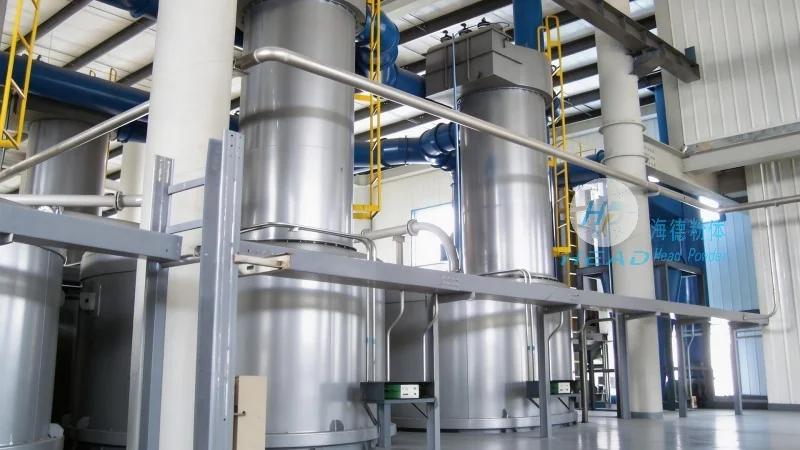
Negative Pressure Conveying Mode
Negative pressure conveying systems, or vacuum conveying, operate by creating a vacuum in the conveying line below ambient air pressure. The material is drawn into the system using a vacuum pump, and the air carrying particles is discharged at the discharge point. This mode is often used for longer distances and for materials sensitive to high air velocities or pressure differentials. Negative pressure systems are particularly effective for fine powders and granules, as low pressure helps prevent particle attrition and maintain material integrity.
One main advantage of negative pressure conveying is its ability to handle materials prone to re-entrainment or dust generation. The vacuum environment reduces dust release, making it more environmentally friendly. However, negative pressure systems require robust vacuum equipment and may be more complex to design and maintain, especially for large-scale operations.
Comparison of Positive and Negative Pressure Conveying Modes
When selecting a pneumatic conveying system for activated carbon, it is essential to consider application-specific requirements, including conveying distance, material characteristics, and operational environment. The choice between positive and negative pressure modes depends on several factors:
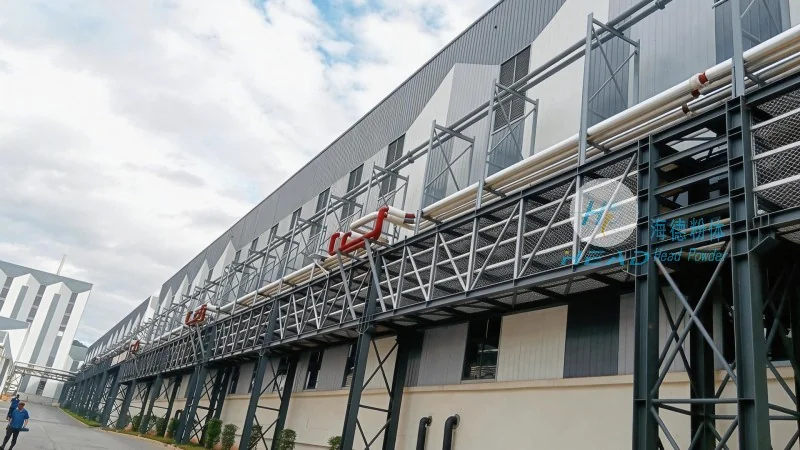
First, conveying distance is critical. Positive pressure systems are generally suitable for shorter distances (up to a few hundred meters) due to pressure drop and energy constraints. Negative pressure systems can handle longer distances (exceeding one kilometer) as the vacuum can be maintained over longer pipelines with appropriate equipment.
Second, material properties play a significant role. Positive pressure systems are better for coarser particles or higher bulk density materials, as high air velocity effectively transports them. Negative pressure systems suit fine powders or lower bulk density materials, as low pressure prevents segregation and clogging.
Third, operational environment and safety considerations matter. Positive pressure systems are safer for hazardous materials, as enclosed pipelines prevent dust/fume release. Negative pressure systems, while effective for dust control, may need additional filtration/ventilation for regulatory compliance.
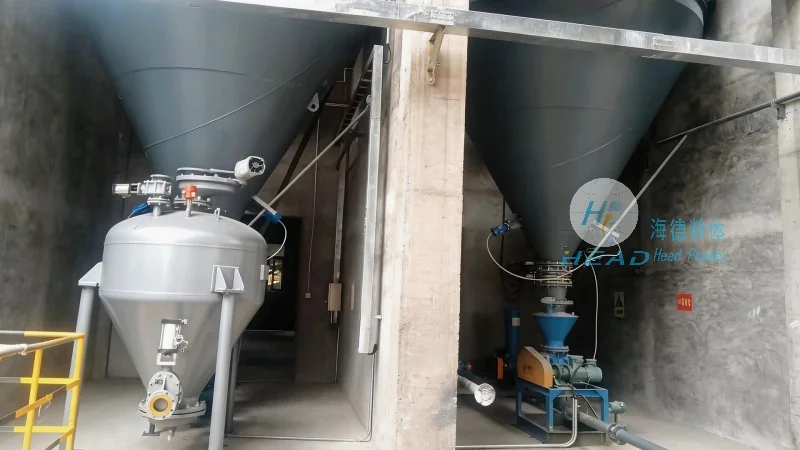
HeadPowder's Expertise in Activated Carbon Pneumatic Conveying
Shandong HeadPowder Engineering Co., Ltd. is a leading provider of pneumatic conveying solutions for activated carbon and other bulk materials. With years of industry experience, HeadPowder specializes in designing and manufacturing customized systems tailored to client needs. The technical team conducts thorough analyses to determine the most appropriate conveying mode—positive or negative pressure—based on client requirements and operational constraints.
HeadPowder's systems are engineered for high efficiency, reliability, and safety. The company uses advanced materials (e.g., stainless steel) and components to construct pipelines/equipment that withstand activated carbon transportation demands. For example, corrosion-resistant materials prevent material degradation and ensure long-term performance. Advanced control systems monitor and optimize the conveying process, reducing energy consumption and maintenance costs.
The company's commitment to quality and customer satisfaction is reflected in comprehensive after-sales service. HeadPowder provides technical support and maintenance to ensure systems operate at peak performance. By leveraging expertise and experience, HeadPowder helps clients improve production efficiency, reduce operational costs, and enhance product quality.




