Activated carbon is a widely used material in various industrial applications, particularly for filtration, adsorption, and purification processes. The efficient and reliable transportation of activated carbon from production sites to processing units is crucial for maintaining operational efficiency and product quality. This is where activated carbon pneumatic conveying equipment comes into play, offering a solution that combines advanced technology with robust engineering to handle the material's unique properties.
Understanding Activated Carbon Pneumatic Conveying Equipment
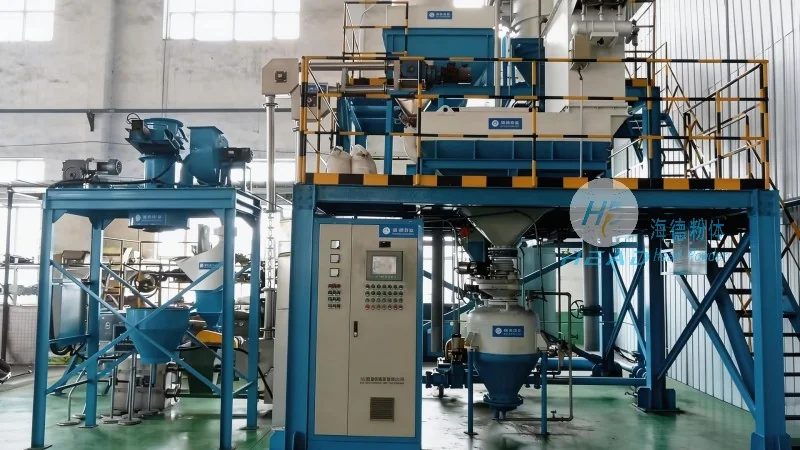
Activated carbon pneumatic conveying equipment is a system designed to transport activated carbon powder or granules through a pipeline using compressed air or other gas. Unlike traditional mechanical conveyors, this equipment utilizes the force of air to move the material, making it ideal for handling fine powders that are prone to caking or agglomeration. The system typically consists of several key components, including a hopper for material storage, a feeder to control the flow rate, a pipeline network, and a receiver for the material's final destination. Each component is engineered to work in harmony, ensuring smooth and continuous operation.
The Core Design Principles of Activated Carbon Pneumatic Conveying Systems
The design of activated carbon pneumatic conveying equipment is based on several fundamental principles that address the material's characteristics and the system's operational requirements. First, the system must handle the high dust content and fine particle size of activated carbon without causing blockages or pressure drops in the pipeline. This is achieved through the use of specialized hopper designs, such as conical hoppers with venting systems, which prevent material bridging and maintain consistent flow. Second, the air velocity within the pipeline is carefully controlled to ensure that the material is carried at an optimal velocity, balancing the need for efficient transport with the avoidance of excessive wear on system components. Third, the system incorporates filtration and cleaning mechanisms to maintain air quality and prevent dust accumulation, which is critical for both operational safety and environmental compliance.
Key Components and Their Functions in Activated Carbon Pneumatic Conveying
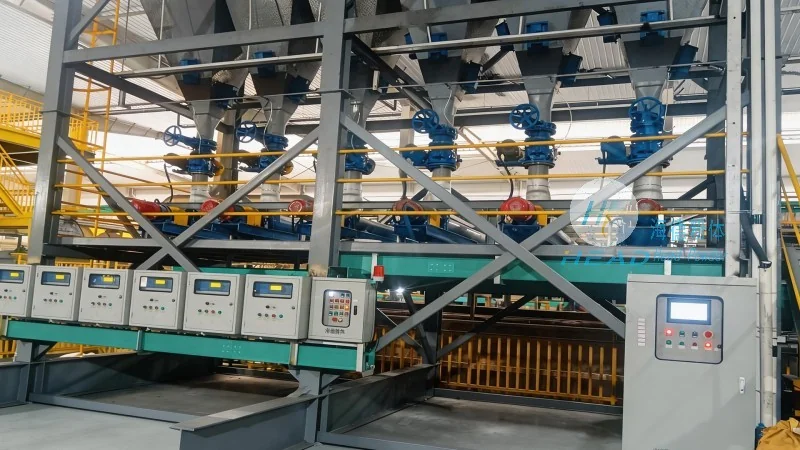
Each component of the activated carbon pneumatic conveying system plays a vital role in ensuring its effectiveness. The material hopper is designed with a sloped interior to facilitate material flow and prevent caking. It is often equipped with a venting system to maintain a consistent pressure and prevent dust leakage. The feeder, typically a rotary valve or a star feeder, controls the rate at which activated carbon is introduced into the pipeline, ensuring a steady flow rate that matches the system's capacity. The pipeline itself is constructed from materials that are resistant to the abrasive nature of activated carbon, such as stainless steel or high-density polyethylene, to minimize wear and extend the system's lifespan. The receiver, where the material is deposited, is designed with a dust collection system to capture any particles that may escape during transport, ensuring that the final product remains clean and free from contaminants.
Advantages of Using Activated Carbon Pneumatic Conveying Equipment
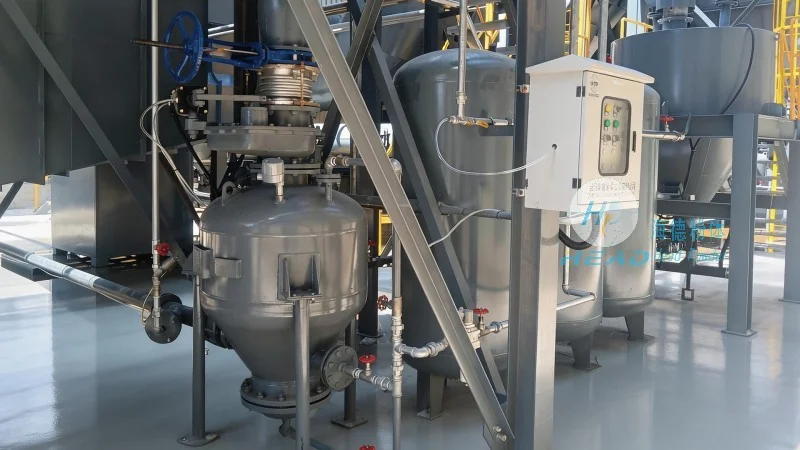
Activated carbon pneumatic conveying equipment offers several advantages over traditional mechanical conveyors, making it the preferred choice for many industrial applications. One of the primary benefits is its ability to handle fine powders without the need for pre-drying or pre-treatment, which can be costly and time-consuming. The system also provides a dust-free and enclosed environment, reducing the risk of material contamination and improving workplace safety. Additionally, pneumatic conveying systems are more flexible in terms of layout, as they can be installed in various configurations to suit the specific needs of a facility, including vertical and horizontal transport. This flexibility allows for efficient use of space and easier integration with existing production lines.
Applications of Activated Carbon Pneumatic Conveying Systems
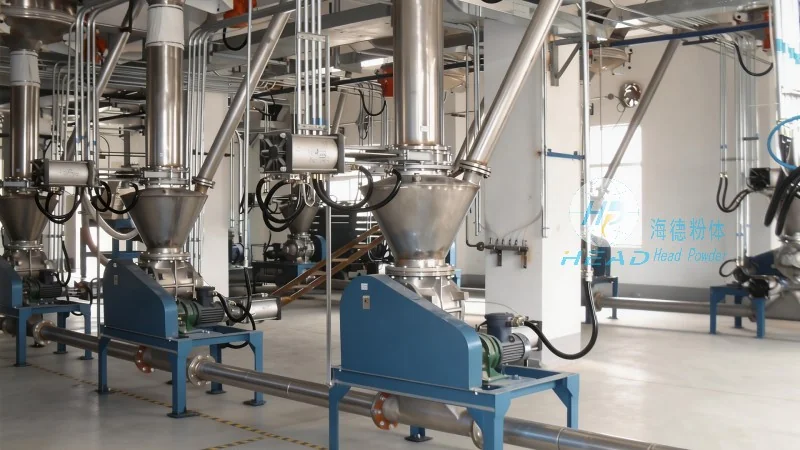
Activated carbon pneumatic conveying equipment is widely used in various industries that rely on activated carbon for their processes. In the chemical industry, it is used to transport activated carbon from production facilities to filtration units in water treatment plants or industrial processes. In the pharmaceutical industry, the system is employed to move activated carbon into reactors or storage tanks, ensuring that the material is handled hygienically and without contamination. The food and beverage industry also utilizes this equipment to transport activated carbon for filtration and purification of beverages, such as water or juices. In the environmental sector, the system is used to transport activated carbon for air and water purification systems, helping to improve air quality and protect the environment.
About Shandong HeadPowder Engineering Co., Ltd.
Shandong HeadPowder Engineering Co., Ltd., commonly known as HeadPowder, is a leading manufacturer and supplier of activated carbon pneumatic conveying equipment. With years of experience in the industry, HeadPowder specializes in designing and manufacturing high-quality systems that meet the unique needs of its clients. The company's headquarters is located in Shandong, China, where it has a state-of-the-art manufacturing facility equipped with advanced technology and skilled personnel. HeadPowder's team of engineers and technicians is dedicated to developing innovative solutions that enhance the efficiency and reliability of activated carbon handling processes. The company adheres to strict quality control standards and provides comprehensive after-sales support to ensure that its customers receive the best possible service and support throughout the lifecycle of their equipment.




