Efficient and reliable transport of powdery materials, such as ash residue from industrial processes, is a critical challenge for many facilities. Traditional methods like belt conveyors or manual handling often present significant drawbacks, including high maintenance costs, material degradation, and environmental concerns. Pneumatic conveying, a technology that uses air or gas to transport bulk materials, offers a modern solution to these challenges. This article explores the principles and applications of pneumatic conveying for ash residue, highlighting how it can enhance operational efficiency and sustainability.
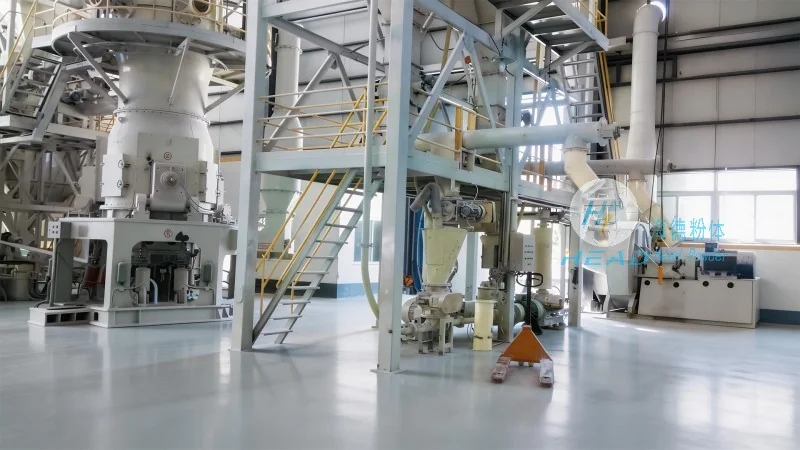
HeadPowder: A Leader in Pneumatic Conveying Solutions
Shandong HeadPowder Engineering Co., Ltd., commonly known as HeadPowder, is a prominent provider of advanced material handling systems. With a focus on innovation and customer-centric solutions, HeadPowder specializes in designing and manufacturing pneumatic conveying equipment tailored to the unique needs of industrial applications. The company’s headquarters is located in Shandong, China, where it leverages local expertise and resources to develop cutting-edge technologies for efficient material transport.
The Core Technology: How Pneumatic Conveying Works
Pneumatic conveying systems operate by creating a pressure differential to move powdery materials through a pipeline using air or gas. There are two primary types of pneumatic conveying: pressure and vacuum systems. Pressure systems use compressed air to push material forward, while vacuum systems use suction to draw material into the pipeline. For ash residue, which often requires gentle handling to prevent agglomeration or degradation, vacuum systems are frequently preferred as they offer a more controlled and low-impact transport method. The process typically involves feeding the material into a hopper, where it is then drawn into the pipeline by the vacuum created by a fan or blower. The material travels through the pipeline, often with the assistance of in-line mixers or cyclones to maintain flow and prevent blockages, until it reaches the discharge point.
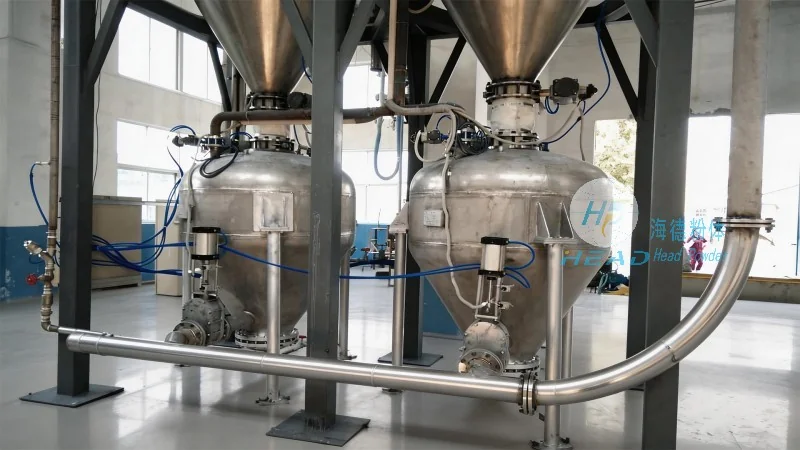
Key Advantages of Pneumatic Conveying for Ash Residue
Implementing pneumatic conveying for ash residue offers several key advantages over traditional methods. First, it significantly reduces labor costs and operational downtime by automating the material transport process. Unlike mechanical conveyors that require regular maintenance and potential breakdowns, pneumatic systems are less prone to mechanical failures, leading to higher availability and lower maintenance expenses. Second, pneumatic conveying minimizes material degradation and contamination. The enclosed pipeline system prevents exposure to external elements, reducing the risk of dust dispersion and contamination from other substances. This is particularly important for ash residue, which may contain hazardous components or require strict environmental compliance. Third, the technology enhances safety in industrial settings. By eliminating the need for manual handling of heavy or dusty materials, pneumatic systems reduce the risk of workplace accidents and improve overall safety standards. Additionally, the enclosed nature of the system helps in controlling dust emissions, contributing to a cleaner and healthier work environment.
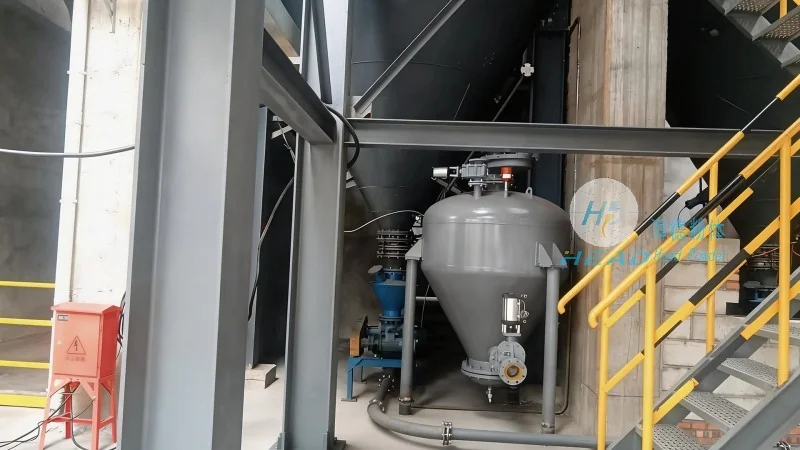
Applications and Industries Benefiting from Pneumatic Conveying
Pneumatic conveying of ash residue is widely used across various industries, including power generation, cement production, and waste management. In power plants, for example, ash residue from coal combustion is a major byproduct that needs to be transported from the boiler to storage or disposal sites. Pneumatic conveying systems efficiently handle this material, ensuring that it is moved safely and efficiently without disrupting plant operations. In cement plants, ash residue is often used as a supplementary cementitious material, and pneumatic systems facilitate its transport from storage to the mixing and grinding processes. Waste management facilities also benefit from pneumatic conveying for the transport of ash and other solid waste materials, enabling streamlined operations and compliance with environmental regulations.
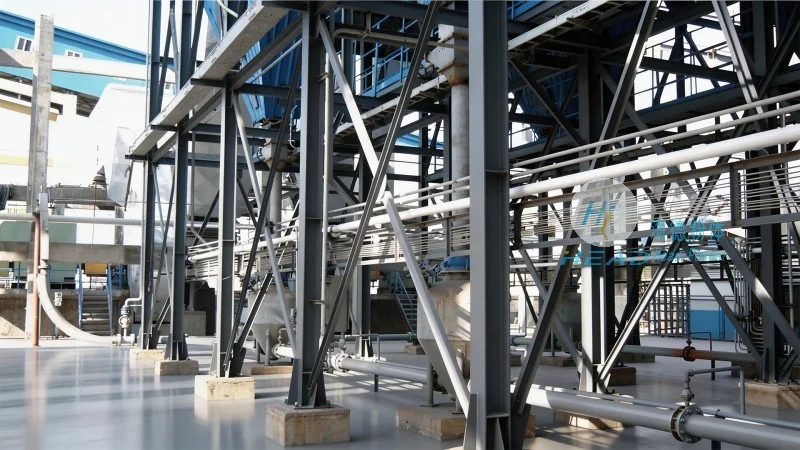
Customization and Scalability: Tailoring Solutions to Specific Needs
HeadPowder understands that each industrial application has unique requirements, and therefore, offers customized pneumatic conveying solutions. The company works closely with clients to assess their specific material characteristics, flow rates, and operational constraints to design a system that meets their exact needs. Whether the application involves short-distance transport within a facility or long-distance transport between sites, HeadPowder can provide scalable solutions that adapt to changing operational demands. The company’s engineering team utilizes advanced simulation tools and expertise to optimize system design, ensuring maximum efficiency and minimal energy consumption. This customization approach not only enhances performance but also helps clients achieve cost savings and improved sustainability over the long term.
Conclusion: Enhancing Efficiency and Sustainability with Pneumatic Conveying
For industrial facilities dealing with ash residue and other powdery materials, pneumatic conveying represents a highly effective and sustainable solution for material transport. By leveraging the principles of air flow and pressure, these systems offer significant advantages in terms of efficiency, safety, and environmental impact. Companies like Shandong HeadPowder Engineering Co., Ltd. play a crucial role in providing the technology and expertise needed to implement these systems, helping industries achieve their operational goals while maintaining compliance with environmental standards. As the demand for efficient material handling continues to grow, pneumatic conveying will remain a vital technology in the industrial landscape, driving innovation and sustainability in the handling of powdery materials.




