HeadPowder, a leading manufacturer based in Shandong, China, specializes in providing advanced air-pneumatic conveying systems for handling dust and fine particulate materials. This equipment is essential in various industrial applications where efficient and safe material transport is critical. The following article explores the fundamental aspects of dust air-pneumatic conveying equipment, including its working principles and design considerations.
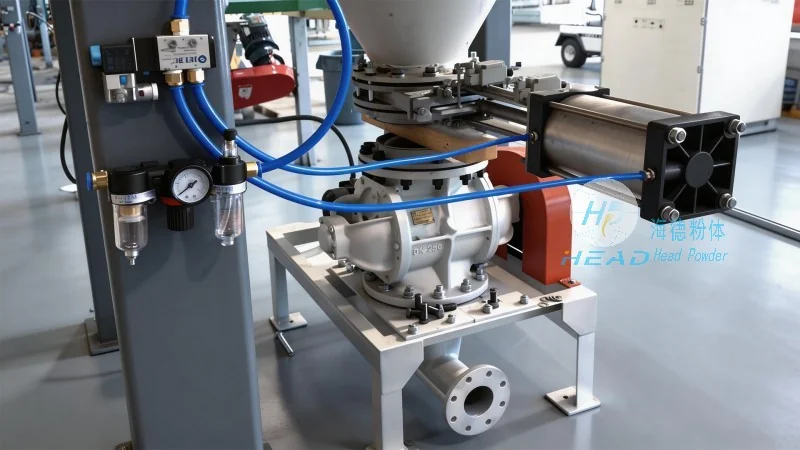
Understanding the Core Function of Dust Air-Pneumatic Conveying Equipment
Dust air-pneumatic conveying equipment is a system designed to transport dry, powdery, or dusty materials through a pipeline using a combination of air pressure and vacuum. Unlike traditional mechanical conveying methods, this technology utilizes compressed air or suction to move the material, making it ideal for applications involving hazardous or sensitive powders. The primary goal is to achieve reliable, low-maintenance, and cost-effective material handling while ensuring minimal product degradation and environmental protection.
Key Design Principles of Dust Air-Pneumatic Conveying Systems
The design of a dust air-pneumatic conveying system involves several critical components and principles that ensure optimal performance. First, the system must be tailored to the specific characteristics of the material being conveyed, such as particle size, density, and moisture content. This customization is crucial for preventing blockages and ensuring consistent flow rates. Additionally, the equipment incorporates features like airlocks, cyclones, and filters to maintain material integrity and prevent dust emissions. The use of high-quality materials, such as stainless steel or corrosion-resistant alloys, is also essential to withstand the abrasive nature of dust and maintain hygiene standards.
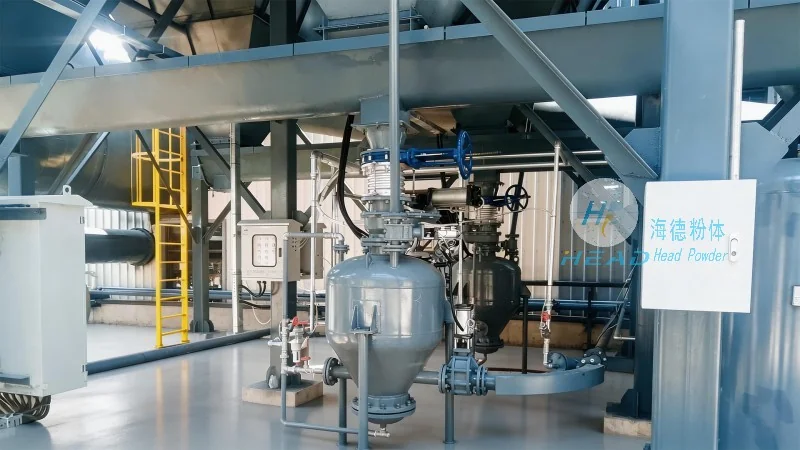
How the Equipment Operates: A Step-by-Step Explanation
The operation of dust air-pneumatic conveying equipment typically involves the following steps: 1. Material is fed into the inlet hopper or feeder, where it is metered and introduced into the pipeline. 2. Compressed air or vacuum is applied to the system, creating a flow that propels the material through the pipeline. 3. The material is transported to the discharge point, where it is collected in a receiving hopper or storage tank. 4. The system may include a filter or cyclone to separate any entrained air from the material, ensuring that the final product is clean and free of contaminants. This process is continuous and can be adjusted to handle varying material loads and flow rates.
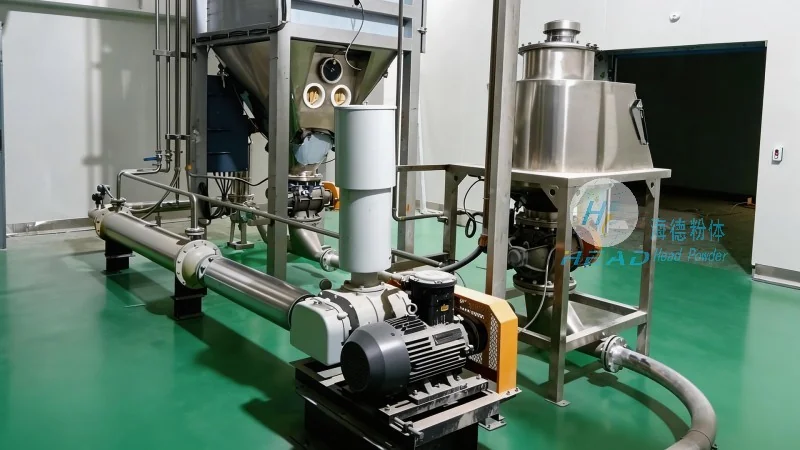
Benefits and Applications of Dust Air-Pneumatic Conveying Equipment
HeadPowder's dust air-pneumatic conveying equipment offers numerous advantages for industrial operations. These include improved safety by eliminating manual handling of powders, reduced maintenance costs due to fewer moving parts, and enhanced efficiency through consistent material flow. The equipment is widely used in industries such as pharmaceuticals, food processing, chemical manufacturing, and mining, where the transport of fine powders is required. For example, in pharmaceutical production, the system ensures that powders are handled hygienically and without cross-contamination, meeting stringent regulatory standards. In food processing, the equipment maintains product purity and prevents contamination from external sources.
Customization and Maintenance Considerations
At Shandong HeadPowder Engineering Co., Ltd., we understand that each industrial application has unique requirements. Therefore, our dust air-pneumatic conveying systems are designed to be highly customizable, allowing clients to adapt the equipment to their specific needs. This includes adjusting the pipeline diameter, air pressure levels, and material feeding mechanisms. Regular maintenance is also critical to ensure the longevity and efficiency of the system. Our team provides comprehensive maintenance services, including routine inspections, component replacement, and troubleshooting to minimize downtime and maximize operational performance.




