When it comes to efficient material handling in industrial settings, PVC pneumatic conveying equipment has emerged as a reliable and versatile solution. This technology offers a means to transport bulk materials from one location to another by utilizing the force of air, providing a clean, dust-free, and often more cost-effective alternative to traditional methods like belt conveyors or bucket elevators. Understanding what PVC pneumatic conveying equipment is and how its design principles work is crucial for businesses seeking to optimize their material handling processes, and companies like Shandong HeadPowder Engineering Co., Ltd. specialize in providing high-quality solutions tailored to diverse industrial needs.
Introduction to PVC Pneumatic Conveying Equipment
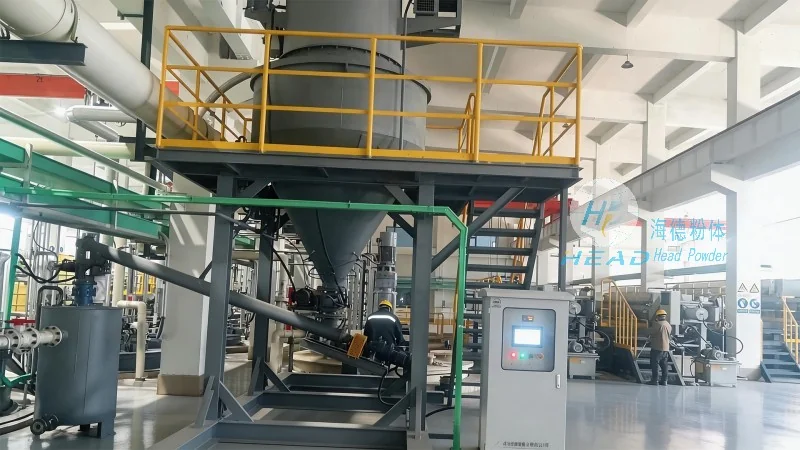
PVC pneumatic conveying equipment, also known as pneumatic conveyors, is a system designed to move bulk materials through a network of pipes using air pressure. The core components of this system typically include a hopper for material storage, a blower or compressor to generate airflow, a pipeline network to transport the material, and a receiver or discharge point where the material is deposited. The use of PVC (polyvinyl chloride) in the construction of these systems offers several advantages, such as corrosion resistance, flexibility, and durability, making it suitable for a wide range of applications across various industries including food processing, pharmaceuticals, chemicals, and mining.
Key Components of PVC Pneumatic Conveying Systems
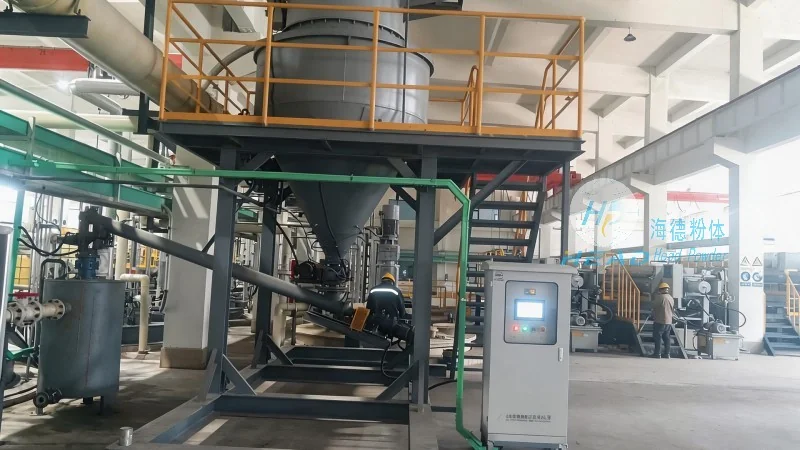
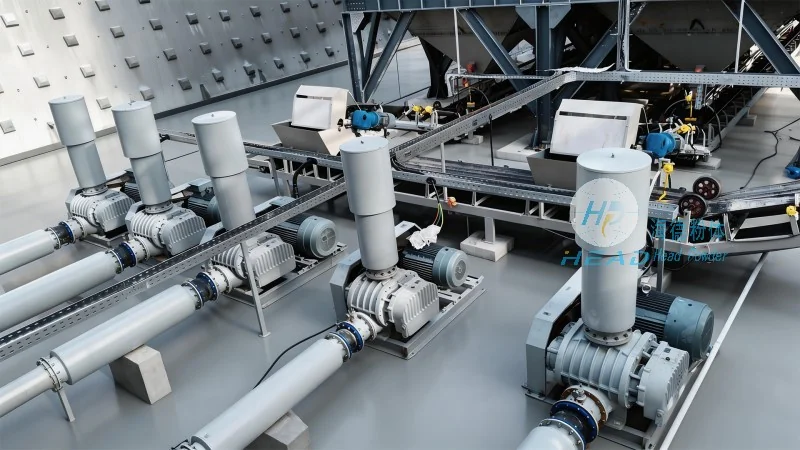
The effectiveness of a PVC pneumatic conveying system depends on its key components, each playing a vital role in the overall operation. The hopper is the initial point where bulk materials are loaded, and it often features a feeding mechanism like a rotary valve or a star feeder to control the flow of material into the system. The blower or compressor is responsible for generating the necessary air pressure to move the material through the pipes. This component can be either positive displacement or centrifugal, depending on the system's requirements and the material being conveyed. The pipeline network, made from PVC or other compatible materials, forms the path through which the material travels. It may include bends, elbows, and straight sections, and is designed to minimize pressure loss and ensure smooth material flow. Finally, the receiver or discharge point is where the material is collected after being transported through the system, often equipped with a dust collection system to maintain air quality and prevent contamination.
Design Principles of PVC Pneumatic Conveying Equipment
The design principles of PVC pneumatic conveying equipment are centered around achieving efficient material transport while maintaining system reliability and cost-effectiveness. One of the primary design considerations is the selection of the appropriate air velocity, which must be high enough to keep the material suspended in the air stream but low enough to prevent excessive wear on the system components. The air velocity is typically determined based on the material's properties, such as particle size, density, and moisture content, as well as the system's layout and pressure requirements. Another critical design principle is the system's pressure and flow rate. The pressure generated by the blower must be sufficient to overcome the resistance in the pipeline and the weight of the material being conveyed. The flow rate, measured in cubic meters per hour or pounds per hour, determines the throughput capacity of the system and is influenced by factors like the material's bulk density and the system's design. Additionally, the design must account for the material's behavior during transport, including issues like segregation, agglomeration, or abrasion, which can affect the system's performance and longevity. Proper sizing of the components, such as the hopper, blower, and pipelines, is essential to ensure that the system operates within its optimal parameters and can handle the intended material load without excessive energy consumption or mechanical stress.
Applications and Benefits of PVC Pneumatic Conveying Equipment
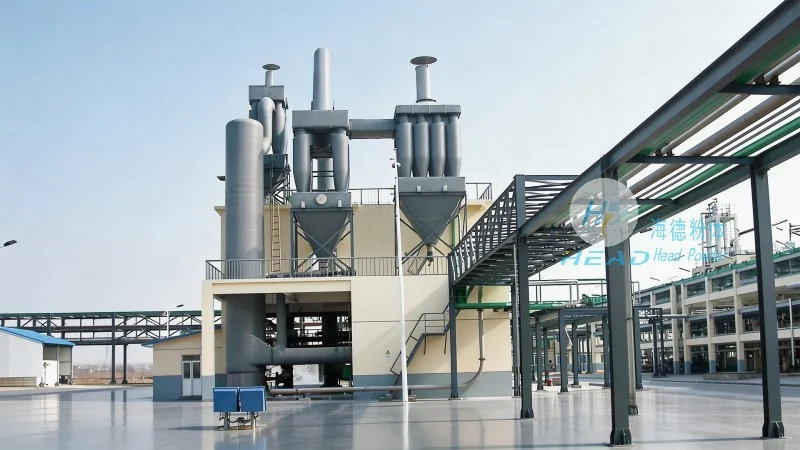
PVC pneumatic conveying equipment is widely used across various industries due to its adaptability and efficiency. Common applications include the transport of powders, granules, and other bulk materials in sectors such as food processing, pharmaceuticals, chemicals, and mining. The benefits of using this technology include improved safety, as it eliminates the need for manual handling of materials and reduces dust exposure. It also offers a more hygienic and clean environment, which is particularly important in industries like food and pharmaceuticals where contamination control is paramount. Furthermore, PVC pneumatic conveying systems can be designed to handle a wide range of materials, from fine powders to coarse granules, and can be integrated into existing production lines with minimal disruption. The flexibility of the system allows for easy modifications to accommodate changes in material types or production volumes, making it a versatile solution for evolving industrial needs.
Choosing the Right PVC Pneumatic Conveying System
When selecting a PVC pneumatic conveying system, several factors must be considered to ensure it meets the specific requirements of the application. The first step is to assess the material characteristics, including its particle size distribution, density, moisture content, and flowability. These properties will determine the appropriate air velocity, pressure, and system design to achieve efficient transport. The system's capacity and throughput requirements are also critical, as they will influence the sizing of the blower, pipelines, and other components. Additionally, the layout of the facility and the distance the material needs to be transported will impact the system's design, including the number and type of bends, elbows, and straight sections in the pipeline network. The choice of materials for the components, such as PVC for the pipes and hopper, should be based on the material being conveyed to ensure compatibility and prevent corrosion or degradation. Finally, the overall cost of the system, including installation, maintenance, and operational costs, should be evaluated to ensure it aligns with the budget and long-term goals of the business.
Conclusion
PVC pneumatic conveying equipment represents a sophisticated and effective solution for bulk material handling in industrial applications. By understanding its design principles and key components, businesses can optimize their material transport processes, improve operational efficiency, and enhance safety and hygiene standards. With the right system design and proper maintenance, PVC pneumatic conveying equipment can provide long-term benefits and contribute to the overall success of industrial operations. As technology continues to advance, these systems are likely to become even more efficient and versatile, further solidifying their role in modern material handling solutions.




