Wheat starch is a vital raw material across multiple industries, including food processing, pharmaceuticals, and cosmetics. The efficient and reliable transportation of wheat starch from storage to processing units is critical for maintaining production efficiency and product quality. Pneumatic conveying systems have become a preferred solution for handling wheat starch due to their ability to transport bulk materials in a dust-free, hygienic manner. This article explores the fundamental principles behind pneumatic conveying equipment designed specifically for wheat starch, highlighting key components, operational mechanisms, and the benefits of such systems.
Overview of Pneumatic Conveying Systems
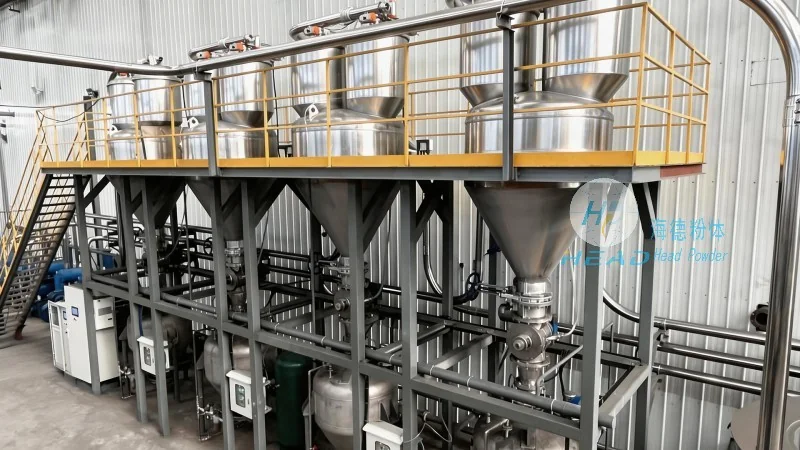
Pneumatic conveying, also known as air conveying, is a method of transporting bulk materials using a stream of pressurized or vacuum air. The system typically consists of a hopper, a conveyor line, and a receiver. For wheat starch, which is a fine, powdery material, the equipment is engineered to handle its specific physical properties, such as particle size, moisture content, and flowability, to ensure optimal performance. The design of the conveying system must account for these characteristics to prevent issues like clogging or degradation during transport.
Key Components of Wheat Starch Pneumatic Conveying Equipment
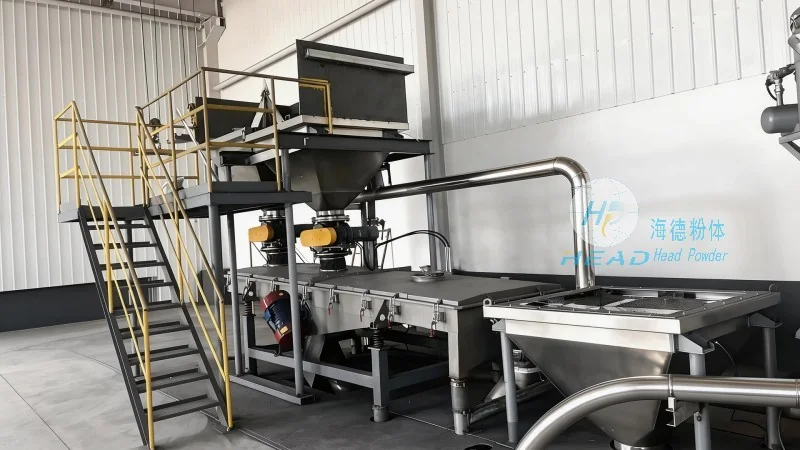
The core components of a pneumatic conveying system for wheat starch include the material hopper, air compressor or vacuum pump, conveying pipeline, and a filtration system. The material hopper is designed to store the wheat starch and facilitate its discharge into the conveying line. It often features a conical bottom to promote uniform material flow and prevent bridging or arching, which can impede discharge. The air compressor or vacuum pump generates the necessary pressure or vacuum to move the wheat starch through the pipeline. For wheat starch, a positive pressure system is commonly used to ensure consistent and reliable transport. The conveying pipeline is typically made of stainless steel or other corrosion-resistant materials to maintain hygiene and prevent contamination. The pipeline design includes carefully engineered bends and elbows to minimize pressure loss and prevent material deposition or blockages. A filtration system is integrated to capture any fine particles that may escape the conveying line, ensuring compliance with environmental and safety regulations.
Operational Mechanism of Pneumatic Conveying for Wheat Starch
The operation of a pneumatic conveying system for wheat starch involves several stages. Initially, the wheat starch is fed from the hopper into the conveying line. The air compressor then introduces a high-pressure air stream into the pipeline, which creates a flow that carries the starch particles along with it. The velocity of the air stream is critical; it must be sufficient to overcome gravitational force and frictional resistance while maintaining a stable suspension. The conveying line is designed with appropriate dimensions and pressure drop calculations to ensure efficient transport to the receiver. The receiver, typically a storage tank or processing unit, collects the wheat starch as the air stream is separated and vented. The separation process may involve cyclones or filters to remove any remaining particles from the air, ensuring the wheat starch is delivered in a clean and uncontaminated state.
Benefits and Advantages of Using Pneumatic Conveying for Wheat Starch
Implementing pneumatic conveying equipment for wheat starch offers several advantages over traditional mechanical conveying methods. Firstly, it provides a dust-free and hygienic environment, which is crucial for food-grade applications where contamination control is paramount. The enclosed system prevents fine particle release, reducing inhalation risks for workers and minimizing extensive cleaning needs. Secondly, pneumatic conveying systems are highly efficient in energy consumption and material handling. They can transport large volumes of wheat starch over significant distances with minimal labor and operational costs. The system's ability to handle fine powders without clogging or degradation ensures consistent product quality and reduces downtime due to equipment failure. Additionally, the modular design allows easy integration with existing production lines, making it a flexible solution for various industrial applications.
Applications and Industries Utilizing Wheat Starch Pneumatic Conveying
The versatility of wheat starch makes it a valuable ingredient in multiple industries. In the food industry, wheat starch is used as a thickening agent, stabilizer, and filler in products such as sauces, desserts, and baked goods. The pneumatic conveying system ensures controlled delivery to production lines, maintaining quality and consistency. In the pharmaceutical industry, wheat starch is used as a binder or filler in tablet formulations. The hygienic and dust-free nature of the system is essential to prevent contamination of pharmaceutical products, which must meet stringent regulatory standards. Similarly, in the cosmetic industry, wheat starch is incorporated into powders and creams as a thickening or absorbent agent. The efficient transport ensures the starch is delivered in a clean state, preserving the integrity of cosmetic products.
Maintenance and Operational Considerations for Wheat Starch Pneumatic Conveying Equipment
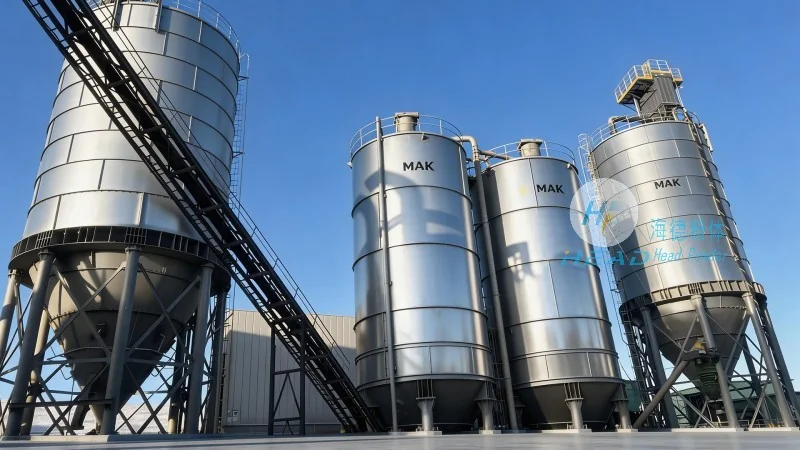
Proper maintenance and operational considerations are vital to ensure the longevity and efficiency of pneumatic conveying equipment for wheat starch. Regular cleaning of the hopper, pipeline, and filtration system is necessary to prevent fine particle accumulation, which can lead to blockages or reduced performance. The air compressor or vacuum pump should be inspected regularly for wear and tear, and the air filter replaced as needed to maintain optimal pressure and airflow. The conveying line should be checked for corrosion or damage, as these can affect system performance and safety. Additionally, the system should be operated within recommended pressure and flow rates to avoid excessive component wear and ensure consistent material transport. Proper operator training on safe and efficient equipment operation is also essential to minimize downtime and maximize productivity.
Conclusion
Pneumatic conveying equipment for wheat starch represents a sophisticated and effective solution for transporting fine, hygienic materials in industrial settings. By understanding the fundamental principles and key components of such systems, manufacturers can optimize operations to enhance efficiency, maintain product quality, and ensure compliance with industry standards. The benefits of using pneumatic conveying, including dust-free handling, energy efficiency, and flexibility, make it a preferred choice for industries relying on wheat starch as a critical raw material. With proper maintenance and operational practices, these systems can provide reliable and long-lasting performance, contributing to the overall success of production processes.




