Understanding the asphalt powder pneumatic conveying system equipment is crucial for those involved in the construction and material handling industries. This equipment is designed to efficiently transport asphalt powder, a key component in road construction and maintenance. The system leverages pneumatic technology to move the material from one location to another, ensuring a reliable and efficient process. In this article, we will explore the fundamental aspects of this equipment and delve into its design principles.
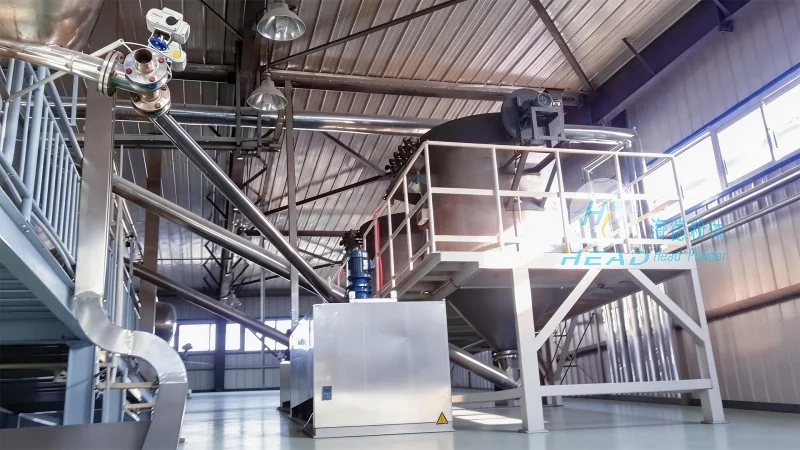
Introduction to Asphalt Powder Pneumatic Conveying Systems
Asphalt powder, also known as asphalt fume or asphalt dust, is a fine particulate material derived from the processing of asphalt. It is essential for various applications, including road surfacing, pavement repair, and construction projects. Traditional methods of transporting this material, such as manual handling or mechanical conveyors, often present challenges like dust exposure, material loss, and inefficiency. The asphalt powder pneumatic conveying system addresses these issues by utilizing air pressure to move the material through a pipeline network. This approach not only enhances safety by reducing dust inhalation risks but also improves the overall handling efficiency.
Key Components of the Pneumatic Conveying System
The asphalt powder pneumatic conveying system consists of several critical components that work in tandem to ensure smooth operation. These components include the material feed hopper, the air compressor, the conveying pipeline, the control system, and the discharge unit. The material feed hopper is responsible for storing and feeding the asphalt powder into the system. It is typically equipped with a hopper design that minimizes material buildup and ensures a consistent flow. The air compressor generates the necessary air pressure to move the material through the pipeline. This component is often selected based on the system's capacity and the distance the material needs to be conveyed. The conveying pipeline is made of durable materials, such as stainless steel or special plastic, to withstand the abrasive nature of asphalt powder and prevent clogging. The control system monitors and regulates the air pressure, flow rate, and other operational parameters to maintain optimal performance. Finally, the discharge unit collects the material at the destination and ensures it is delivered accurately.
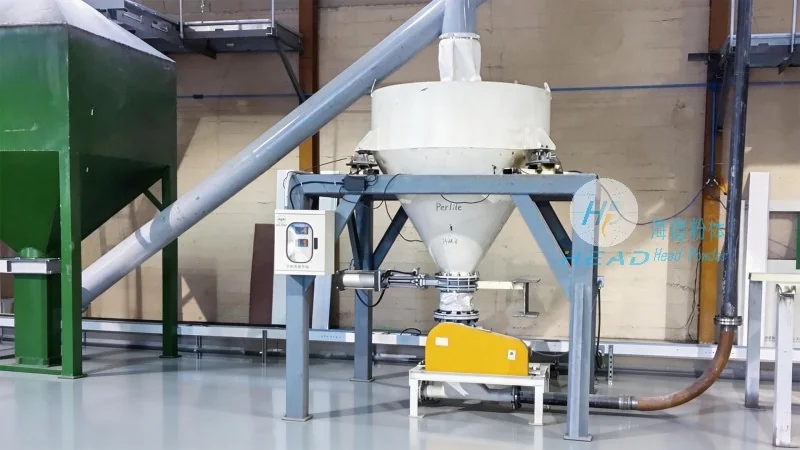
Design Principles for Efficient Material Transport
The design principles of the asphalt powder pneumatic conveying system are centered around maximizing efficiency, reliability, and safety. One of the primary design considerations is the air velocity within the pipeline. The air velocity must be sufficient to keep the material suspended and prevent it from settling or clogging the pipeline. Engineers typically calculate the required air velocity based on the material's properties, such as particle size, density, and flowability. Another crucial design principle is the system's pressure drop. The pressure drop along the pipeline indicates the energy required to move the material and must be minimized to reduce energy consumption and operating costs. Proper pipeline sizing and the use of smooth, unobstructed pathways are essential to achieve low pressure drop. Additionally, the system's capacity and scalability are important design aspects. The equipment should be designed to handle varying material volumes and can be expanded as needed to accommodate future production demands. Safety is also a key design consideration, with features like dust collection systems and explosion-proof components to protect operators and the environment.
Operational Advantages of the System
The asphalt powder pneumatic conveying system offers several operational advantages over traditional methods. Firstly, it significantly reduces labor costs by automating the material handling process. Manual handling of asphalt powder is not only labor-intensive but also poses health risks due to dust exposure. The pneumatic system eliminates the need for manual loading and unloading, improving worker safety and productivity. Secondly, it minimizes material loss and contamination. Unlike mechanical conveyors, which may cause material spillage or mixing with other substances, the pneumatic system ensures that the material remains clean and free from contaminants. This is particularly important for asphalt powder, which must meet specific quality standards for road construction. Thirdly, the system provides flexibility in material transport. It can be easily reconfigured to move material between different locations or to adjust the flow rate based on operational needs. This adaptability makes it suitable for various construction projects and industrial applications. Finally, the system is energy-efficient. By optimizing the air velocity and pipeline design, the system reduces energy consumption compared to other material handling methods, leading to lower operating costs over time.
Applications in the Construction Industry
The asphalt powder pneumatic conveying system is widely used in the construction industry, particularly in road construction and maintenance projects. In road surfacing, the system is used to transport asphalt powder from storage facilities to the mixing plant or directly to the construction site. This ensures a consistent supply of material, which is critical for maintaining the quality of the asphalt mix. During pavement repair, the system can transport asphalt powder to the repair area, allowing for quick and efficient repairs without disrupting traffic flow. Additionally, the system is used in industrial applications, such as the production of asphalt-based products or the handling of waste materials. Its ability to handle fine particulate materials makes it suitable for various industrial processes where traditional conveyors may not be effective. The system's reliability and efficiency make it a preferred choice for construction companies and industrial facilities looking to improve their material handling operations.
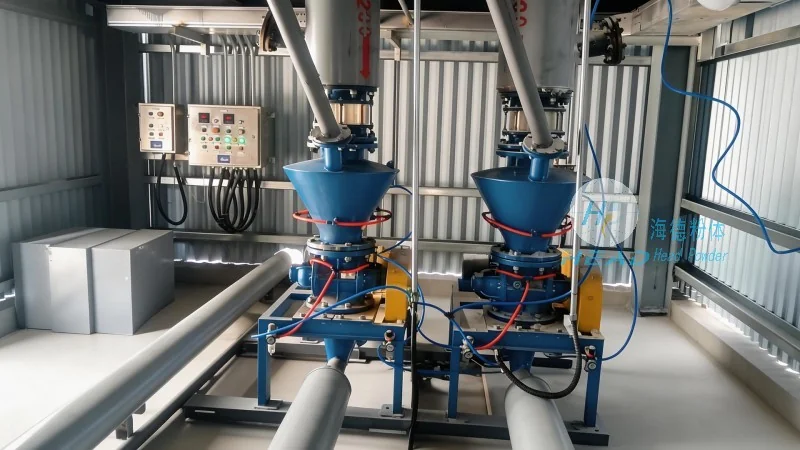
Maintenance and Safety Considerations
Maintaining the asphalt powder pneumatic conveying system is essential to ensure its long-term performance and safety. Regular maintenance tasks include checking the air compressor for proper operation, inspecting the pipeline for leaks or clogs, and cleaning the material feed hopper to prevent material buildup. The control system should be monitored regularly to ensure it is functioning correctly and adjusting operational parameters as needed. Safety is a critical aspect of operating the system. Operators should be trained on the proper use of the equipment and the safety procedures to prevent accidents. The system should be equipped with dust collection systems to minimize dust exposure and explosion-proof components to prevent fire hazards. Regular safety inspections should be conducted to identify and address any potential risks. By following proper maintenance and safety protocols, the system can operate efficiently and safely for many years, providing reliable material transport for construction and industrial applications.
Conclusion
In conclusion, the asphalt powder pneumatic conveying system equipment is a vital component in the construction and material handling industries. Its design principles focus on efficiency, reliability, and safety, ensuring that asphalt powder is transported effectively and safely. The system's components work together to provide a seamless material handling process, reducing labor costs, minimizing material loss, and improving overall operational efficiency. With proper maintenance and safety measures, this equipment can meet the demands of various construction and industrial applications, contributing to the success of road construction and maintenance projects. As the industry continues to evolve, the asphalt powder pneumatic conveying system remains a reliable and essential tool for material transport, supporting the growth and development of the construction sector.




